
There is something incredibly comforting about a warm bowl of tender beef, soft egg noodles, and rich, savory gravy. This Beef and Noodles Recipe brings all those delicious flavors together in one satisfying homemade meal that tastes like classic comfort food at its best. Whether you’re preparing a cozy family dinner, looking for an easy weeknight meal, or craving tender beef smothered in delicious gravy, this hearty recipe is sure to become a favorite at your table. Best of all, you can make it with simple ingredients and straightforward cooking techniques that deliver incredible flavor in every bite.
Ingredients for Beef and Noodles
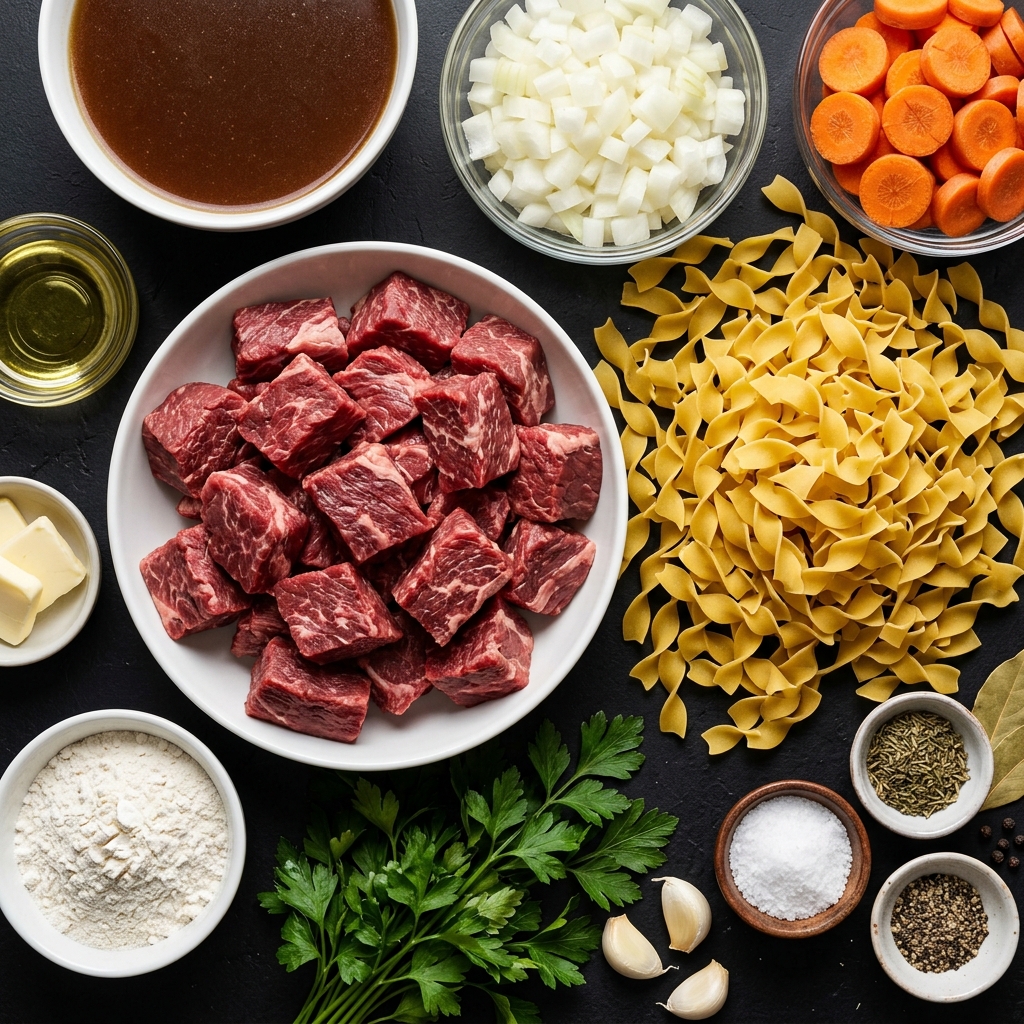
The secret to delicious beef and noodles is using tender beef, quality broth, properly cooked noodles, and seasonings that complement one another. Each ingredient plays an important role in building a rich, savory flavor and creating a satisfying texture.
1. Beef stew meat – 2 pounds
Beef stew meat is an excellent choice because it becomes tender and flavorful when cooked slowly in broth. Chuck roast cut into bite-sized cubes is particularly good because its connective tissue gradually softens during cooking, creating juicy pieces of beef and a rich cooking liquid.
You can also use chuck steak or another suitable braising cut. Trim away excessive hard fat, but leave some marbling to help keep the meat moist and flavorful.
2. Wide egg noodles – 12 ounces
Wide egg noodles are ideal for this recipe because their broad shape holds the savory gravy beautifully. They provide a soft, satisfying texture that complements the tender beef.
For the best results, cook the noodles until just al dente rather than allowing them to become overly soft. They will absorb some gravy as they sit, so slightly firm noodles are less likely to turn mushy when combined with the beef.
3. Beef broth – 4 cups
Beef broth creates the flavorful base for the gravy and helps tenderize the beef as it cooks. Choose a good-quality broth with a rich beef flavor.
Low-sodium beef broth is a particularly useful option because it allows you to control the salt level as the liquid reduces. If your broth is already salty, you may need less additional salt.
4. Yellow onion – 1 medium
One medium yellow onion, finely chopped, adds sweetness and depth to the dish. As the onion cooks, it softens and releases its natural sugars, helping build a delicious foundation for the gravy.
5. Garlic – 3 cloves
Fresh garlic provides a warm, savory aroma that enhances the beef. Mince the cloves finely so they distribute evenly throughout the sauce.
6. All-purpose flour – 3 tablespoons
Flour helps thicken the cooking liquid into a rich gravy that coats the noodles and beef.
You can use flour to coat the beef before browning or whisk it into melted butter to prepare a roux. Both methods work well, provided you cook the flour briefly to remove its raw taste.
7. Olive oil – 2 tablespoons
Olive oil helps brown the beef and develop a flavorful crust. Browning is important because the caramelized surface of the meat contributes a deeper, more complex flavor to the finished dish.
You can substitute another neutral cooking oil if preferred.
8. Unsalted butter – 2 tablespoons
Butter adds richness and a smooth finish to the gravy. It also helps create a flavorful base when combined with flour.
Unsalted butter is preferable because it gives you better control over the seasoning.
9. Worcestershire sauce – 1 tablespoon
Worcestershire sauce adds savory depth and a subtle tang that complements the beef. It enhances the overall flavor without making the gravy taste strongly of any single ingredient.
10. Dried thyme – 1 teaspoon
Thyme contributes a gentle earthy, herbal flavor that pairs beautifully with slow-cooked beef.
You can substitute approximately 1 tablespoon of fresh thyme leaves if you prefer fresh herbs.
11. Onion powder – 1 teaspoon
Onion powder reinforces the savory flavor of the fresh onion and distributes seasoning evenly throughout the dish.
12. Garlic powder – 1/2 teaspoon
Garlic powder adds another layer of savory flavor without overpowering the fresh garlic.
13. Black pepper – 1/2 teaspoon
Freshly ground black pepper adds gentle warmth and balances the richness of the gravy. Adjust the quantity according to your preference.
14. Salt – to taste
Salt brings out the natural flavors of the beef, broth, and seasonings. Start with a small amount and adjust toward the end of cooking, especially if you use store-bought broth.
15. Fresh parsley – 2 tablespoons, chopped
Fresh parsley adds a bright, fresh finish that balances the rich brown gravy. Sprinkle it over the dish just before serving for a little color and extra freshness.
16. Water – as needed
A little water can help adjust the consistency of the cooking liquid if it reduces too much during simmering. Use it sparingly so the gravy retains its rich flavor.
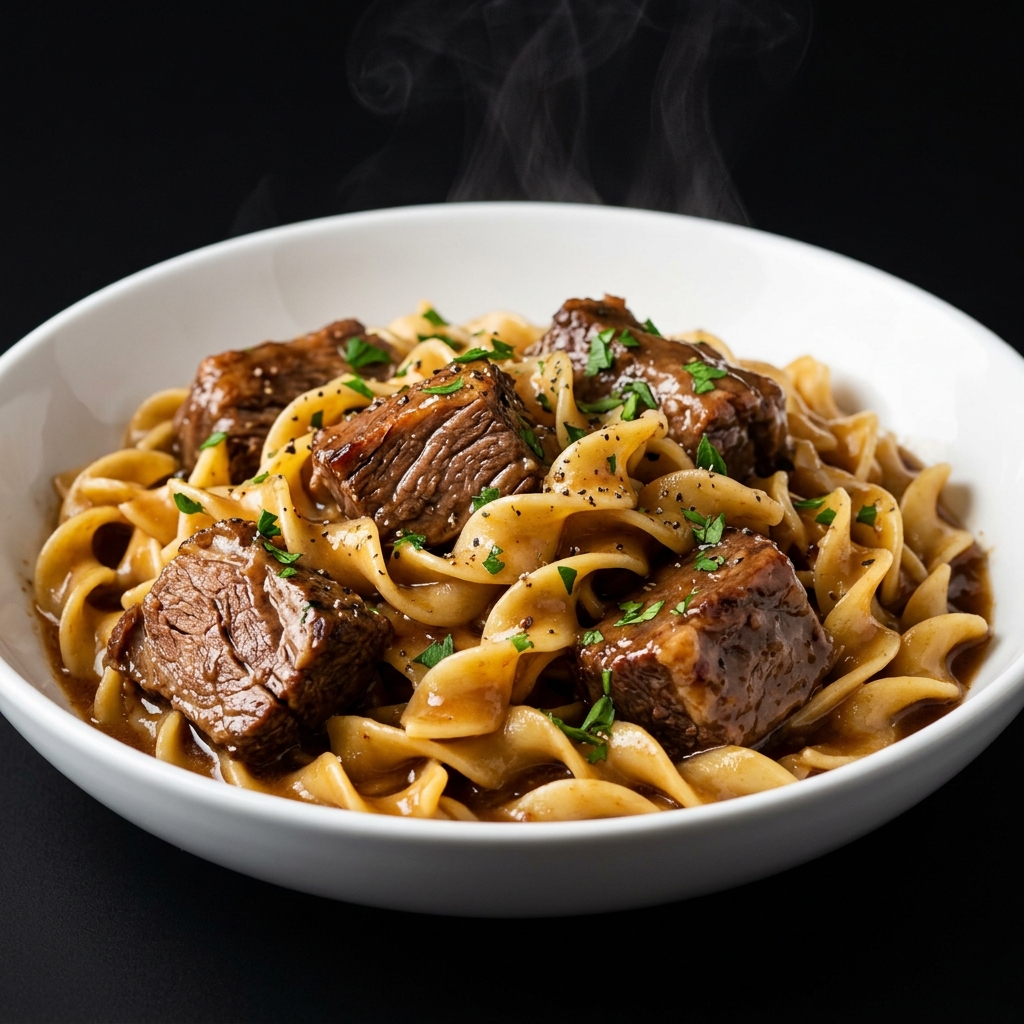
How to Make Beef and Noodles
Making homemade beef and noodles is easier than you might think. The key is to brown the beef properly, allow it enough time to become tender, develop a flavorful gravy, and cook the noodles without overdoing them.
Follow these steps for a hearty meal with tender beef, flavorful noodles, and gravy that tastes as though it has been simmering all afternoon.
Step 1: Prepare the ingredients
Begin by cutting the beef into evenly sized, bite-sized cubes if it is not already cut. Pat the beef dry with paper towels to remove excess surface moisture.
This small step makes a significant difference when browning. Wet meat tends to release moisture into the pan and steam instead of developing the deep brown crust that gives the dish its characteristic savory flavor.
Chop the onion, mince the garlic, measure out the seasonings, and prepare the broth. Keep everything within reach so you can work comfortably once the cooking begins.
Step 2: Season the beef
Place the beef in a bowl and season it with black pepper, onion powder, garlic powder, and a modest amount of salt.
If you prefer a slightly thicker gravy, you can toss the beef with about 1 tablespoon of the measured flour before browning. Shake off any excess flour to prevent it from burning in the pan.
Seasoning the meat before cooking helps build flavor from the beginning rather than relying entirely on the gravy at the end.
Step 3: Brown the beef
Heat the olive oil in a large, heavy-bottomed pot or Dutch oven over medium-high heat.
Once the oil is hot, add the beef in a single layer. Work in batches if necessary, leaving enough space between the pieces to allow moisture to escape.
Brown the beef on several sides for approximately 2–3 minutes per side, depending on the size of the pieces and the heat of your pan. The goal is a deep golden-brown crust rather than cooking the beef completely at this stage.
Transfer the browned beef to a plate and repeat with the remaining pieces.
Avoid crowding the pot. If too much beef is added at once, the temperature drops, the meat releases moisture, and browning becomes more difficult. Taking a little extra time here rewards you with a much richer finished dish.
Step 4: Cook the onion and garlic
Reduce the heat to medium and add the chopped onion to the same pot.
Cook for approximately 3–5 minutes, stirring occasionally and scraping up the browned bits left behind by the beef. These bits are packed with flavor and will dissolve into the gravy as the dish cooks.
Once the onion begins to soften, add the minced garlic and cook for another 30–60 seconds.
Keep the garlic moving in the pot to prevent it from burning. Burnt garlic can introduce a bitter flavor that is difficult to correct later.
Step 5: Add the flour and build the gravy base
Add the butter to the pot and allow it to melt.
Sprinkle in the remaining flour and stir continuously for approximately 1–2 minutes. The mixture should form a thick paste that coats the onions and absorbs the fat.
Cooking the flour briefly helps remove its raw taste and prepares it to thicken the broth.
Gradually pour in a small amount of beef broth while whisking or stirring vigorously. Once the mixture becomes smooth, add the remaining broth a little at a time.
Scrape the bottom of the pot as you stir. This incorporates the flavorful browned bits and helps prevent lumps from forming.
Stir in the Worcestershire sauce and dried thyme. The liquid should begin to look like a thin gravy, although it will thicken further as it simmers.
Step 6: Return the beef to the pot
Place the browned beef and any accumulated juices back into the pot.
Stir gently to coat the meat with the broth mixture. Bring the liquid to a gentle simmer, then reduce the heat to low.
Cover the pot with its lid, leaving it slightly ajar if necessary to prevent excessive bubbling. Cook for approximately 1 1/2 to 2 hours, checking periodically, until the beef is fork-tender.
The exact cooking time depends on the cut of beef and the size of the cubes. Some pieces may become tender sooner, while tougher cuts may need additional time.
Keep the liquid at a gentle simmer rather than a rapid boil. Vigorous boiling can make the meat cook unevenly and cause the liquid to evaporate too quickly.
If the pot becomes too dry before the beef is tender, add a little more broth or water.
Step 7: Check the tenderness and adjust the gravy
After the beef has simmered, test a piece with a fork. It should be easy to cut through and pleasantly tender without feeling tough or rubbery.
If the beef still resists the fork, continue cooking and check again after 15–20 minutes.
Once the meat is tender, inspect the gravy. It should be rich and flavorful but still loose enough to coat the noodles.
If it looks too thin, remove the lid and simmer gently for a few minutes, stirring occasionally. If it is too thick, add a small splash of broth until it reaches the desired consistency.
Taste the gravy and adjust the salt and black pepper. You can add a little more Worcestershire sauce if you want extra savory depth, but do so gradually.
Step 8: Cook the egg noodles
Bring a separate large pot of salted water to a boil.
Add the wide egg noodles and cook according to the package instructions, stopping when they are just al dente. Begin checking them a minute or two before the recommended cooking time ends.
Drain the noodles thoroughly. Avoid rinsing them unless the package specifically recommends it, because the light coating of starch helps the gravy cling to their surface.
Cooking the noodles separately is especially helpful when you want good texture and plan to save leftovers. It also prevents the noodles from absorbing too much liquid during the long beef-braising process.
Step 9: Combine the beef, noodles, and gravy
Add the drained noodles to the pot containing the tender beef and gravy.
Using a large spoon or tongs, gently toss everything together until the noodles are evenly coated and the beef is distributed throughout.
Allow the mixture to simmer gently for another 1–2 minutes so the flavors can come together. Stir carefully to avoid breaking the noodles or shredding the beef more than intended.
If the gravy becomes too thick after combining the ingredients, add a small amount of warm broth. If it seems too loose, allow the dish to rest briefly; the noodles will absorb some of the liquid as they stand.
Step 10: Garnish and serve
Remove the pot from the heat and sprinkle the chopped fresh parsley over the beef and noodles.
Serve immediately in warm bowls, making sure each portion includes plenty of tender beef, noodles, and rich gravy.
For an especially inviting presentation, spoon extra gravy over the top and finish with a little freshly ground black pepper. The contrast between the glossy brown gravy, golden noodles, and green parsley makes the dish look just as appealing as it tastes.
Enjoy your homemade Beef and Noodles Recipe while it is warm and comforting.
Beef and Noodles Recipe Variations
One of the best things about homemade beef and noodles is how easily you can adapt the recipe to suit your schedule, available ingredients, and preferred flavors.
1. Slow Cooker Beef and Noodles
If you prefer a hands-off approach, the slow cooker is an excellent option.
Brown the beef in a skillet first for the best flavor. Transfer it to the slow cooker with the onion, garlic, thyme, Worcestershire sauce, and beef broth.
Cook on low for approximately 7–8 hours or on high for 4–5 hours, checking for tenderness toward the end. Cooking times vary by slow cooker and beef cut.
When the beef is tender, thicken the cooking liquid separately using a flour-and-butter roux or a suitable cornstarch slurry. Cook the egg noodles separately, then stir them into the finished beef and gravy immediately before serving.
Adding the noodles only at the end helps prevent them from becoming overly soft during the long cooking process.
2. Creamy Beef and Noodles
For a creamier version, stir in approximately 1/4 to 1/2 cup of heavy cream after the beef has become tender and the gravy has thickened.
You can also add a little cream cheese for a richer texture, allowing it to melt fully into the warm sauce.
Keep the heat low after adding dairy and avoid prolonged boiling, which can affect the sauce’s texture. Taste before adding more salt, as cream cheese may contribute additional saltiness.
This variation creates a velvety sauce that coats the noodles beautifully.
3. Beef and Noodles with Mushrooms
Mushrooms add an earthy flavor that complements the beef and creates a more substantial dish.
Slice approximately 8 ounces of cremini or button mushrooms and sauté them after browning the beef. Allow their moisture to evaporate and their surfaces to brown before adding the onions.
Continue with the recipe as directed. The mushrooms will release additional savory flavor into the gravy as everything simmers together.
4. Beef and Noodles with Vegetables
For a more colorful and balanced meal, add vegetables such as carrots, peas, or celery.
Slice carrots thinly and add them to the pot with the broth so they have enough time to soften. Add peas during the final 5 minutes of cooking to preserve their color and texture.
Celery can be sautéed with the onion at the beginning. These additions introduce sweetness, freshness, and variety without taking away from the classic beef-and-noodles flavor.
5. Spicy Beef and Noodles
If you enjoy a little heat, add 1/4 teaspoon of crushed red pepper flakes when seasoning the beef.
For a stronger kick, increase the quantity gradually or add a small amount of cayenne pepper. You can also finish the dish with freshly cracked black pepper.
The goal is to complement the rich gravy rather than overpower the beef.
6. Gluten-Free Beef and Noodles
To make a gluten-free version, replace regular egg noodles with certified gluten-free noodles and use gluten-free beef broth and Worcestershire sauce.
Thicken the gravy with cornstarch mixed with cold water instead of all-purpose flour. Stir the slurry into the simmering liquid gradually until the gravy reaches your preferred consistency.
Check all packaged ingredients carefully for gluten-containing additives or cross-contact warnings. Cook the gluten-free noodles according to their package directions, as their texture and cooking times may differ from traditional egg noodles.
7. Quick Beef and Noodles with Leftover Roast Beef
Leftover cooked roast beef can make this recipe much faster.
Prepare the onion, garlic, and gravy as directed, but reduce the simmering time because the beef is already cooked. Slice or shred the leftover beef and add it to the gravy near the end, allowing it to heat thoroughly without becoming dry.
Cook the noodles separately and combine everything just before serving. This is a practical way to turn leftover roast beef into a satisfying new dinner.
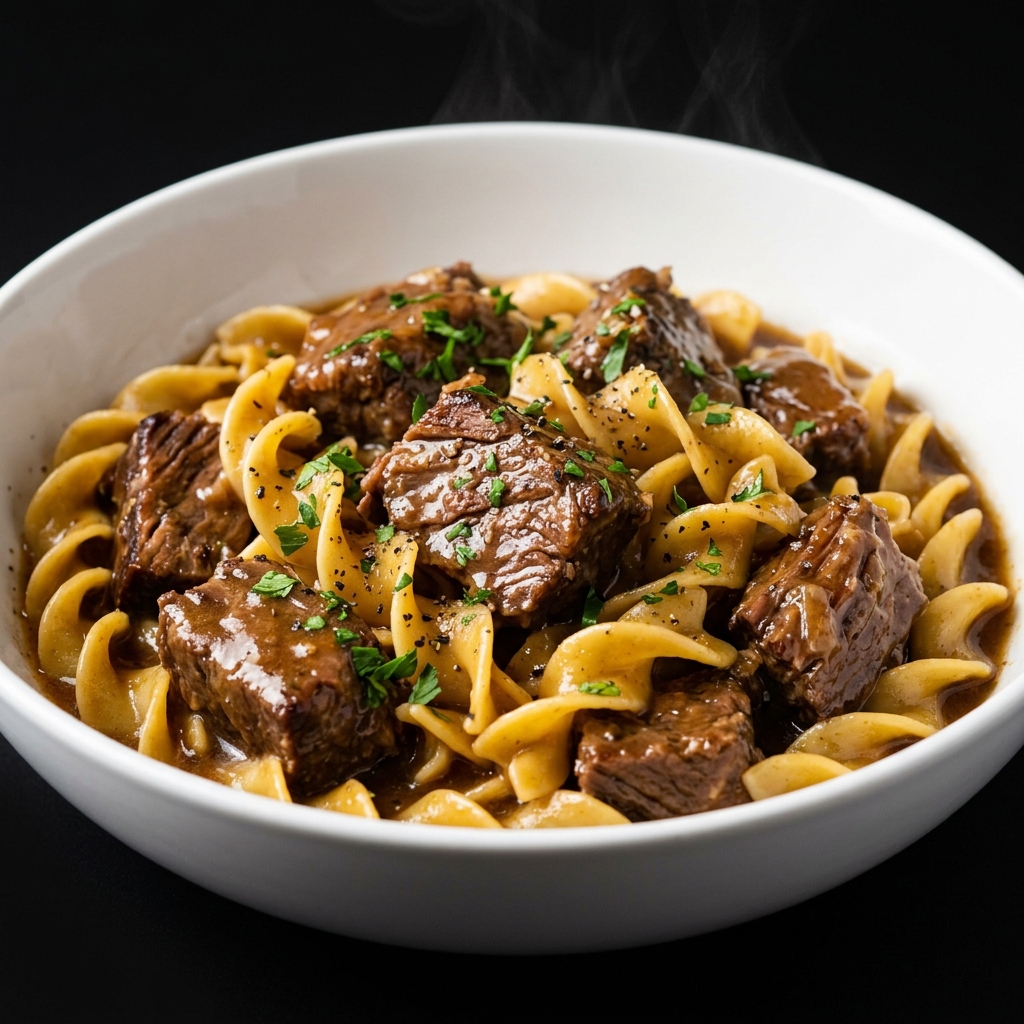
Expert Tips for the Best Beef and Noodles
A few simple techniques can make the difference between an ordinary bowl of beef and noodles and a dish with deep flavor, tender meat, and a beautifully textured gravy.
Choose the right cut of beef
Chuck roast is one of the best choices for a slow-simmered version because its connective tissue breaks down during cooking. Leaner cuts may become dry or remain tough if they are not suited to the cooking method.
If your beef is still tough after the estimated cooking time, it usually needs more time rather than higher heat.
Do not skip browning
Browning develops a richer flavor that cannot be achieved by simply placing raw beef in broth. Work in batches and allow the meat to develop a proper crust before turning it.
Keep the gravy smooth
Add broth gradually when combining it with the flour mixture. Whisking as you pour helps prevent lumps and creates a more even sauce.
If small lumps appear, whisk vigorously or strain the gravy before returning the beef to the pot.
Cook the noodles separately
This is one of the most useful techniques for achieving consistent results. Noodles cooked directly in the gravy can release starch, absorb excessive liquid, and become soft if the dish sits for too long.
Separate cooking also makes it easier to store and reheat leftovers without sacrificing texture.
Season at the end
Broth reduces as it simmers, concentrating both flavor and salt. Start with modest seasoning, then taste the gravy after the beef is tender and adjust as needed.
Let the finished dish rest briefly
Allow the beef and noodles to rest for about 3–5 minutes before serving. This gives the gravy a little time to settle and cling to the noodles.
If the sauce thickens too much during the rest, stir in a splash of warm broth to loosen it.
What to Serve with Beef and Noodles
Beef and noodles is a hearty main dish, so the best side dishes provide freshness, contrasting textures, or a simple way to enjoy the savory gravy.
1. Garlic Bread
Warm garlic bread is ideal for soaking up extra gravy. Its crisp edges and buttery garlic flavor contrast nicely with the tender noodles.
2. Steamed Green Beans
Green beans add a fresh, slightly crisp element to the meal. Steam them until tender-crisp and finish with a little butter, black pepper, and lemon juice if desired.
3. Roasted Broccoli
Roasted broccoli develops lightly browned edges and a pleasant earthy flavor. Toss it with olive oil, salt, and pepper, then roast until tender with a little crispness.
4. Garden Salad
A simple green salad with lettuce, cucumber, tomatoes, and a light vinaigrette adds freshness to the rich main dish.
The acidity of the dressing helps balance the savory gravy.
5. Roasted Carrots
Roasted carrots provide gentle sweetness and a tender texture that complements the beef. Season them with olive oil, black pepper, and a little thyme.
6. Dinner Rolls
Soft dinner rolls are another excellent choice for soaking up the gravy. Serve them warm alongside the bowls of beef and noodles.
7. Mashed Potatoes
If you are serving a particularly hungry crowd, creamy mashed potatoes can turn the meal into an extra-hearty dinner. However, because the noodles already provide a substantial starch, you may prefer a vegetable side for a more balanced plate.
Frequently Asked Questions
1. What is the best beef for beef and noodles?
Chuck roast is an excellent choice because it becomes tender and flavorful during slow cooking. Beef stew meat is also convenient, provided it comes from a suitable braising cut. The most important factor is allowing enough time for the connective tissue to soften.
2. Can I make beef and noodles ahead of time?
Yes. You can prepare the beef and gravy a day ahead, refrigerate them promptly, and cook the noodles shortly before serving. This approach is particularly helpful for entertaining or busy evenings because the beef can develop even more flavor as it rests in the gravy.
3. How do I keep the noodles from getting mushy?
Cook the noodles separately until just al dente, drain them, and combine them with the beef and gravy shortly before serving. If you expect leftovers, store the noodles separately from the beef and sauce whenever possible.
4. Why is my beef still tough?
Beef can remain tough when its connective tissue has not had enough time to break down. Continue simmering it gently and check every 15–20 minutes. Avoid turning up the heat dramatically, as a rapid boil will not necessarily make the beef tender faster and may cause the liquid to evaporate too quickly.
5. How can I thicken the gravy if it is too thin?
Simmer the gravy uncovered for several minutes to reduce excess liquid. Alternatively, mix 1 tablespoon of cornstarch with 1 tablespoon of cold water, then stir the slurry into the simmering gravy gradually. Allow it to cook briefly until thickened before adding more.
6. Can I use chicken broth instead of beef broth?
Yes, although the finished dish will have a milder beef flavor. Beef broth generally provides a richer, more traditional taste, but chicken broth can work when that is what you have available.
7. Can I use frozen beef?
For the best browning and most predictable cooking, thaw the beef safely in the refrigerator before preparing the recipe. Pat it dry before browning. Do not place large frozen chunks directly into a pot for this stovetop braising method, as they can cook unevenly.
8. Can I cook the noodles directly in the beef gravy?
Yes, but it requires careful timing and enough liquid. Add the noodles only when the beef is tender, increase the liquid as needed, and stir frequently to prevent sticking. The noodles will absorb some of the gravy, so the finished dish may be thicker and starchier. Cooking them separately provides more control.
9. How should I store leftover beef and noodles?
Refrigerate leftovers in shallow, airtight containers within 2 hours of cooking. For best quality, store the noodles separately from the beef and gravy. Use refrigerated leftovers within 3–4 days.
Reheat the beef and gravy on the stovetop over medium-low heat, adding a splash of broth or water if needed. Reheat leftovers to an internal temperature of 165°F (74°C). If using a microwave, cover the dish and stir periodically to heat it evenly.
10. Can I freeze beef and noodles?
The beef and gravy freeze well, but cooked egg noodles may become softer after thawing. For the best texture, freeze the beef and gravy separately in airtight, freezer-safe containers for approximately 2–3 months for good quality. Thaw in the refrigerator and reheat thoroughly, then prepare fresh noodles before serving.
11. Is beef and noodles a complete meal?
Beef and noodles provide protein from the beef and carbohydrates from the noodles. Adding vegetables or serving the dish with a fresh salad or green beans provides more variety and additional nutrients, making the overall meal more balanced.
12. Can I make this recipe without Worcestershire sauce?
Absolutely. You can leave it out or substitute a small amount of soy sauce if it suits your dietary needs. Soy sauce is salty and usually contains wheat unless labeled gluten-free, so adjust the added salt accordingly. The dish will still be delicious because the browned beef, onions, garlic, broth, and herbs provide plenty of flavor.
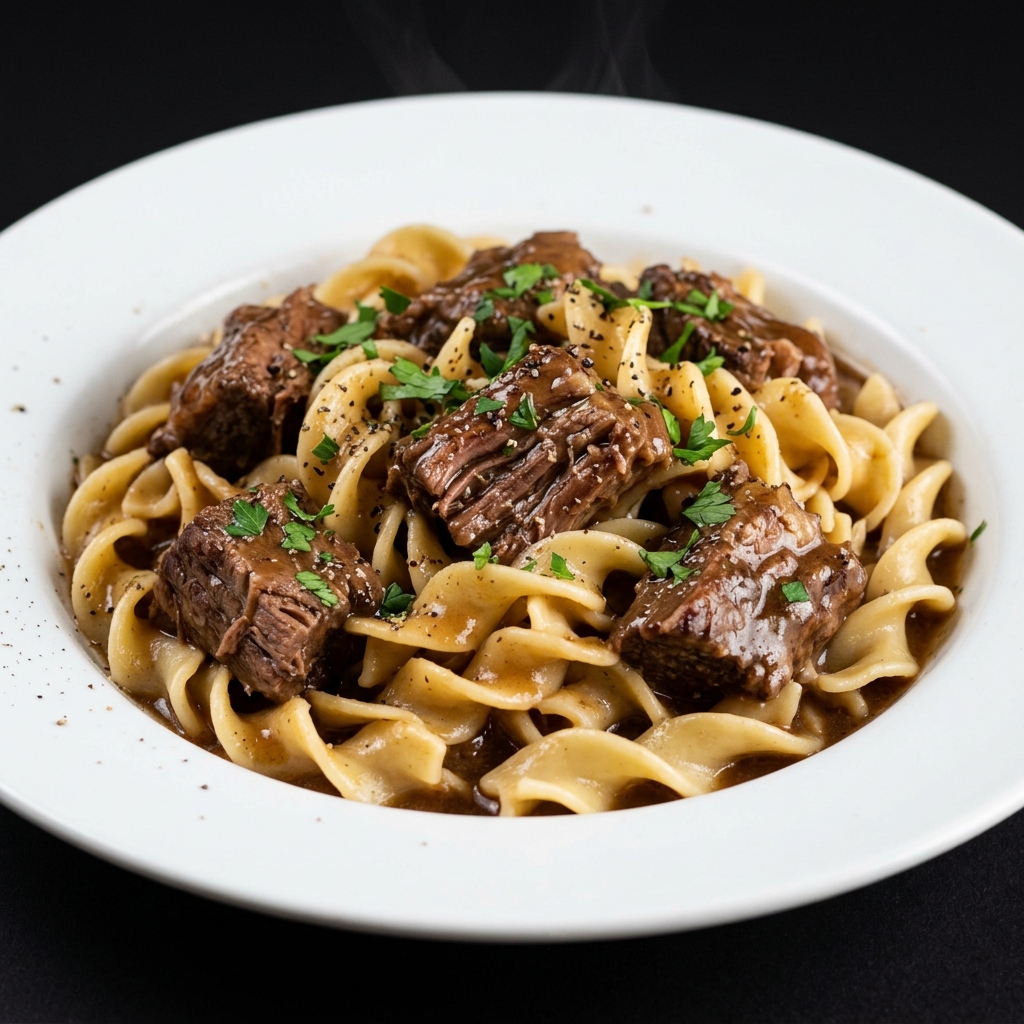
Homemade Beef and Noodles
Ingredients
Equipment
Method
- Prepare the beef: Pat the beef cubes dry with paper towels. Season with salt, black pepper, onion powder, and garlic powder. If desired, toss with approximately 1 tablespoon of the flour.
- Brown the beef: Heat olive oil in a large Dutch oven over medium-high heat. Brown the beef in batches for approximately 2–3 minutes per side. Transfer to a plate.
- Sauté the aromatics: Reduce the heat to medium. Add the chopped onion and cook for 3–5 minutes until softened. Add the minced garlic and cook for another 30–60 seconds.
- Prepare the gravy base: Add the butter and allow it to melt. Stir in the remaining flour and cook for 1–2 minutes, stirring continuously.
- Add the broth: Gradually whisk in the beef broth until smooth. Stir in the Worcestershire sauce and dried thyme, scraping up the browned bits from the bottom of the pot.
- Simmer the beef: Return the browned beef and accumulated juices to the pot. Bring to a gentle simmer, cover, and cook over low heat for 1 1/2–2 hours, or until the beef is fork-tender. Add a little extra broth or water if needed.
- Adjust the gravy: Check the tenderness of the beef and the consistency of the gravy. Simmer uncovered briefly if the gravy is too thin, or add a splash of broth if it is too thick. Taste and adjust the seasoning.
- Cook the noodles: Bring a separate pot of salted water to a boil. Cook the egg noodles according to the package instructions until just al dente. Drain well.
- Combine everything: Add the cooked noodles to the beef and gravy. Toss gently and simmer for another 1–2 minutes, allowing the noodles to absorb some of the savory sauce.
- Garnish and serve: Remove from the heat, sprinkle with fresh parsley, and serve warm with extra gravy spooned over each portion.
Notes

Hi, I’m Clara, the creator of Barakala. I love sharing simple, comforting, and delicious recipes that make everyday cooking easier and more enjoyable for home cooks.