
Lasagna is one of those timeless comfort foods that never goes out of style. With its rich layers of tender pasta, hearty meat sauce, creamy cheese filling, and beautifully melted golden topping, it’s a dish that brings families together around the dinner table. Whether you’re preparing it for a cozy weeknight meal, a festive holiday gathering, or meal prepping for the week ahead, a homemade lasagna delivers unbeatable flavor and satisfaction in every bite.
The secret to an unforgettable lasagna isn’t just using quality ingredients—it’s understanding how each layer contributes to the final dish. From building a deeply flavorful meat sauce to creating a creamy ricotta mixture and baking everything until perfectly bubbly and golden, every step matters. In this guide, you’ll learn exactly how to make a restaurant-quality lasagna at home, along with practical tips and techniques that will help you achieve consistent, delicious results every single time.
Ingredients for the Perfect Homemade Lasagna

Lasagna is made with simple pantry staples, but choosing quality ingredients makes a noticeable difference in both flavor and texture. Here’s everything you’ll need.
For the Meat Sauce
- 2 tablespoons olive oil
- 1 medium yellow onion, finely diced
- 4 cloves garlic, minced
- 1 pound (450g) lean ground beef
- ½ pound (225g) Italian sausage (mild or spicy)
- 2 tablespoons tomato paste
- 1 can (28 ounces) crushed tomatoes
- 1 can (15 ounces) tomato sauce
- 1 teaspoon sugar (optional, balances acidity)
- 2 teaspoons Italian seasoning
- 1 teaspoon dried oregano
- ½ teaspoon dried basil
- Salt and freshly ground black pepper, to taste
- ¼ teaspoon red pepper flakes (optional)
For the Cheese Filling
- 15 ounces ricotta cheese
- 1 large egg
- 2 cups shredded mozzarella cheese
- ½ cup grated Parmesan cheese
- 2 tablespoons chopped fresh parsley
- Pinch of salt
- Pinch of black pepper
For Assembly
- 12 lasagna noodles (regular or oven-ready)
- 2 to 3 cups shredded mozzarella cheese
- ½ cup grated Parmesan cheese
- Fresh basil or parsley for garnish
Understanding the Ingredients
While the ingredient list may appear straightforward, every component has an important purpose.
Ground beef provides a rich, hearty foundation, while Italian sausage adds extra seasoning and depth. Using both creates a more flavorful sauce than relying on beef alone.
Crushed tomatoes offer body and texture, while tomato sauce creates a smoother consistency that spreads evenly between the layers. Tomato paste intensifies the overall tomato flavor and gives the sauce its rich color.
Ricotta cheese creates the creamy interior that makes lasagna so comforting. Mixing it with mozzarella, Parmesan, herbs, and egg produces a filling that stays together beautifully after baking.
Mozzarella is responsible for those irresistible cheese pulls everyone loves, while Parmesan contributes a slightly salty, nutty flavor that enhances every bite.
Fresh herbs brighten the finished dish and balance the richness of the cheese and meat.
Finally, lasagna noodles provide the structure that holds all the delicious layers together.
Step-by-Step Preparation Guide
Making lasagna is easier than many people think. By preparing each component separately before assembling the layers, you’ll create a dish that’s beautifully balanced and full of flavor.
Step 1: Prepare the Meat Sauce
Heat the olive oil in a large heavy-bottomed pot or Dutch oven over medium heat.
Add the diced onions and cook for about 5 minutes until softened and translucent.
Stir in the minced garlic and cook for another 30 seconds until fragrant.
Add the ground beef and Italian sausage. Break the meat apart with a wooden spoon while cooking until no pink remains.
Drain any excess grease if necessary.
Stir in the tomato paste and cook for about two minutes to deepen its flavor.
Add the crushed tomatoes, tomato sauce, Italian seasoning, oregano, basil, sugar (if using), salt, pepper, and red pepper flakes.
Mix well.
Reduce the heat to low and allow the sauce to simmer uncovered for at least 30 to 45 minutes.
The longer it simmers, the richer and more concentrated the flavors become.
Taste the sauce periodically and adjust the seasoning if necessary.
Step 2: Prepare the Cheese Mixture
While the sauce simmers, combine the ricotta cheese, egg, mozzarella, Parmesan, parsley, salt, and pepper in a medium bowl.
Mix until everything is evenly incorporated.
The egg helps bind the cheese mixture together, ensuring neat slices after baking.
Set the mixture aside while preparing the noodles.
Step 3: Cook the Lasagna Noodles
If using traditional lasagna noodles, cook them according to the package directions until just al dente.
Avoid overcooking, as the noodles will continue to soften during baking.
Drain the noodles immediately and rinse briefly with cool water to stop the cooking process.
Lay them flat on lightly oiled baking sheets or clean kitchen towels to prevent sticking.
If using oven-ready noodles, simply follow the package instructions. These save time and absorb moisture directly from the sauce while baking.
Step 4: Prepare Your Baking Dish
Lightly grease a 9×13-inch baking dish with cooking spray or olive oil.
Spread a thin layer of meat sauce across the bottom.
This prevents the first layer of noodles from sticking and ensures even cooking.
Step 5: Begin Layering
Place a single layer of lasagna noodles over the sauce.
Spread about one-third of the ricotta mixture evenly across the noodles.
Top with a generous layer of meat sauce.
Sprinkle mozzarella over the sauce.
Repeat these layers until all ingredients have been used, finishing with meat sauce on top.
Finally, cover generously with mozzarella and Parmesan cheese.
The top layer should be thick enough to create a beautifully golden, bubbly crust during baking.
Common Mistakes to Avoid
Even experienced home cooks occasionally run into problems when making lasagna. Fortunately, these mistakes are easy to avoid once you know what to watch for.
Using Too Much Sauce
While lasagna should be moist, adding excessive sauce can make it difficult to slice and serve. Too much liquid also prevents the layers from holding together properly.
Aim for evenly distributed layers instead of flooding each one.
Overcooking the Pasta
Traditional noodles should be cooked only until al dente.
Soft noodles continue cooking in the oven and can become mushy if boiled too long.
Skipping the Simmer Time
A rushed meat sauce often tastes thin and acidic.
Allowing the sauce to simmer slowly develops deeper flavors while reducing excess liquid.
Even an extra 20 minutes can make a noticeable difference.
Forgetting to Season Every Layer
Each component should be seasoned individually.
The meat sauce, cheese mixture, and final topping all contribute to the overall flavor.
Relying solely on the tomato sauce or cheese often results in a bland finished dish.
Cutting Immediately After Baking
Fresh-from-the-oven lasagna is tempting, but slicing immediately causes the layers to collapse.
Allowing it to rest gives the cheese time to set and makes serving much cleaner.
Why Homemade Lasagna Is Worth the Effort
Many people reserve homemade lasagna for holidays or special occasions because they assume it’s difficult to prepare. In reality, most of the cooking time is hands-off, allowing the sauce to simmer while you prepare the remaining ingredients. The layering process is surprisingly simple, and once everything is assembled, the oven does most of the work. The reward is a meal that tastes far better than frozen alternatives or many restaurant versions, with fresh flavors and customizable ingredients that suit your family’s preferences.
Another reason homemade lasagna stands out is its incredible versatility. It can be prepared in advance, frozen for later, or adapted to include different meats, vegetables, cheeses, or sauces. It’s one of the few dishes that often tastes even better the next day as the flavors continue to develop. Whether you’re feeding a large family, entertaining guests, or simply looking for comforting leftovers, lasagna offers exceptional value, convenience, and flavor all in one pan.
Delicious Lasagna Variations
One of the reasons lasagna remains a favorite around the world is its incredible versatility. While the traditional meat lasagna is a timeless classic, there are countless ways to customize the recipe to suit different tastes, dietary preferences, and occasions. Once you’ve mastered the basic recipe, don’t be afraid to experiment with these delicious variations.
Classic Beef Lasagna
This is the traditional version most people know and love. It features layers of seasoned ground beef, rich tomato sauce, creamy ricotta, mozzarella, Parmesan, and tender pasta sheets. It’s perfect for family dinners, potlucks, and holiday gatherings.
Beef and Italian Sausage Lasagna
Adding Italian sausage alongside the ground beef creates a richer, more flavorful sauce. Mild sausage adds subtle seasoning, while spicy sausage gives the dish a pleasant kick without overpowering the other ingredients.
Chicken Lasagna
Replace the beef with shredded cooked chicken for a lighter version. A creamy white sauce or Alfredo sauce pairs beautifully with chicken, spinach, mushrooms, and mozzarella cheese.
Vegetable Lasagna
Vegetarian lasagna is every bit as satisfying as the meat version. Popular vegetables include:
- Zucchini
- Spinach
- Mushrooms
- Bell peppers
- Eggplant
- Broccoli
- Carrots
- Kale
Roasting the vegetables before layering them intensifies their natural sweetness and prevents excess moisture from making the lasagna watery.
White Lasagna
Instead of tomato sauce, use a rich homemade béchamel or Alfredo sauce. Combine it with chicken, mushrooms, spinach, mozzarella, and Parmesan for an incredibly creamy meal.
Seafood Lasagna
Seafood lovers can substitute shrimp, crab, lobster, or salmon. A creamy garlic Parmesan sauce works especially well with seafood, creating an elegant dish suitable for special occasions.
Four Cheese Lasagna
If you’re a cheese lover, try combining:
- Ricotta
- Mozzarella
- Parmesan
- Provolone
- Fontina
- Asiago
The result is an extra creamy and deeply flavorful lasagna.
Spinach and Ricotta Lasagna
This meatless favorite highlights creamy ricotta blended with spinach, herbs, garlic, mozzarella, and Parmesan. It’s simple yet incredibly satisfying.
Gluten-Free Lasagna
Many grocery stores now carry gluten-free lasagna noodles made from rice or corn. Pair them with your favorite fillings for a delicious gluten-free meal.
Low-Carb Lasagna
Instead of pasta, use thin slices of zucchini, eggplant, or cabbage leaves. These vegetables create a lighter version while maintaining the classic layered appearance.
Expert Tips for Perfect Lasagna Every Time
Professional chefs often rely on small techniques that make a significant difference in the finished dish. These tips will help elevate your homemade lasagna from good to exceptional.
Use Freshly Grated Cheese
Freshly grated mozzarella and Parmesan melt more smoothly than pre-shredded cheese, which often contains anti-caking agents that affect texture.
Let the Sauce Simmer
Never rush the sauce.
Allowing it to simmer for at least 45 minutes develops a deeper, richer flavor while naturally thickening it.
If time allows, simmering for one to two hours creates an even more flavorful sauce.
Don’t Make the Layers Too Thick
Many people assume bigger layers equal better lasagna.
Instead, create evenly balanced layers so every bite contains the perfect combination of pasta, meat, sauce, and cheese.
Rest Before Serving
One of the biggest secrets to beautiful slices is patience.
Allow the baked lasagna to rest for at least 20 to 30 minutes before cutting.
This gives the cheese time to firm up and allows the layers to hold together neatly.
Cover During Most of the Baking
Cover the baking dish with foil for the majority of the baking time.
Remove the foil during the last 15 to 20 minutes to allow the cheese to brown beautifully.
Avoid Watery Lasagna
If your vegetables release a lot of moisture, cook them first.
Likewise, simmer the meat sauce long enough to reduce excess liquid before assembling the layers.
Season Every Component
Don’t rely on the sauce alone.
Taste and season:
- Meat sauce
- Ricotta mixture
- Vegetables (if using)
Balanced seasoning creates a much more flavorful finished dish.
Use High-Quality Tomatoes
The tomato sauce is the heart of traditional lasagna.
Good-quality canned tomatoes usually produce a sweeter, richer sauce with less acidity.
Bake Until Bubbling
The edges should be bubbling vigorously, and the cheese should develop golden brown spots.
This indicates the lasagna has heated thoroughly.
Make Ahead Options
Lasagna is one of the best make-ahead meals because its flavor actually improves as the ingredients have more time to blend together.
Assemble One Day Ahead
Prepare the entire lasagna, cover tightly with plastic wrap followed by aluminum foil, and refrigerate for up to 24 hours.
When ready to bake, remove it from the refrigerator about 30 minutes before placing it in the oven.
Freeze Before Baking
Assemble the lasagna completely.
Wrap tightly with plastic wrap and foil.
Freeze for up to three months.
When ready to cook, thaw overnight in the refrigerator before baking.
Freeze After Baking
Cooked lasagna freezes exceptionally well.
Allow it to cool completely before wrapping individual portions or the entire baking dish.
This makes meal prep incredibly convenient.
What to Serve with Lasagna
Lasagna is a hearty main course, but pairing it with the right side dishes creates a complete and satisfying meal.
Some of the best side dishes include:
- Garlic bread
- Cheesy breadsticks
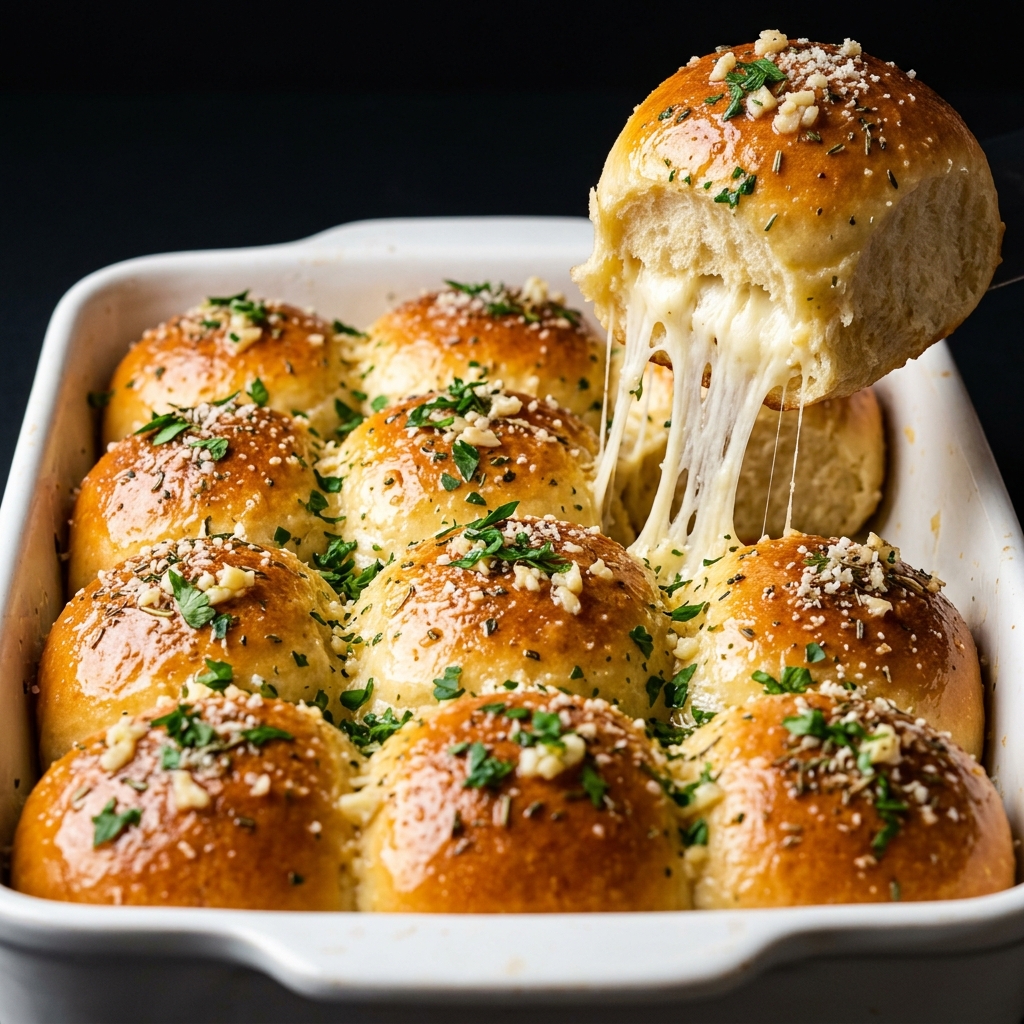
- Homemade dinner rolls
- Caesar salad
- Garden salad
- Greek salad
- Caprese salad
- Roasted asparagus
- Steamed green beans
- Roasted broccoli
- Honey-glazed carrots
- Garlic butter mushrooms
- Bruschetta
- Antipasto platter
- Italian wedding soup
- Tomato basil soup
- Creamy mashed potatoes (for extra comfort)
- Roasted potatoes
For beverages, consider serving:
- Sparkling water with lemon
- Fresh lemonade
- Iced tea
- Italian soda
- Red wine for adults
How to Store Lasagna
Proper storage keeps leftover lasagna tasting just as delicious the next day.
Refrigerating
Allow the lasagna to cool completely.
Store it in an airtight container or cover the baking dish tightly.
It will stay fresh in the refrigerator for up to 4 days.
Freezing
Wrap tightly to prevent freezer burn.
Frozen lasagna maintains excellent quality for approximately 3 months.
Label the container with the freezing date for convenience.
Reheating
For the best texture, reheat in the oven at 350°F (175°C) until heated through.
Individual portions may also be reheated in the microwave, although oven reheating helps preserve the crispy cheese topping.
If reheating from frozen, thaw overnight in the refrigerator whenever possible for more even heating.
Frequently Asked Questions
1. Can I make lasagna without ricotta cheese?
Yes. Cottage cheese is a popular substitute, and many people prefer it because it’s lighter while still providing a creamy texture. You can also use béchamel sauce for a more traditional Italian-style lasagna.
2. Why is my lasagna watery?
Excess moisture usually comes from under-simmered sauce, vegetables that weren’t cooked first, or slicing the lasagna immediately after baking. Allowing the lasagna to rest before serving also helps it set properly.
3. Can I use oven-ready noodles?
Absolutely. Oven-ready noodles save time and work well as long as there is enough sauce in the recipe to hydrate them during baking. Follow the package instructions for the best results.
4. How long should lasagna rest before serving?
For the cleanest slices, let it rest for 20 to 30 minutes after removing it from the oven. This allows the layers to firm up while remaining warm enough to enjoy.
5. Can I prepare lasagna several days in advance?
It’s best assembled up to one day ahead and refrigerated before baking. For longer storage, freeze it instead. This preserves freshness and texture more effectively.
6. Which cheese melts the best?
Low-moisture mozzarella is ideal because it melts evenly, creates beautiful cheese pulls, and browns nicely without making the lasagna overly watery.
7. Can I add extra vegetables?
Yes. Mushrooms, spinach, zucchini, bell peppers, eggplant, and kale are all excellent additions. Cook high-moisture vegetables before layering them to avoid excess liquid.
8. Is lasagna better the next day?
Many cooks believe so. As the lasagna rests overnight in the refrigerator, the flavors continue to meld, resulting in an even richer and more balanced taste when reheated.
9. How do I know when the lasagna is fully cooked?
The sauce should be bubbling around the edges, the cheese should be melted with golden-brown spots, and the center should be thoroughly hot. If using a food thermometer, the internal temperature should reach 165°F (74°C).
10. Can I freeze individual portions?
Yes. Cutting the lasagna into single servings before freezing makes it easy to thaw and reheat only what you need, making it an excellent option for meal prep or quick lunches.
Conclusion
Homemade lasagna is much more than just a layered pasta dish—it’s a comforting classic that has earned its place on dinner tables around the world. With its rich meat sauce, creamy cheese filling, tender pasta, and golden baked topping, every bite delivers warmth, flavor, and satisfaction. While it takes a little time to prepare, the process is straightforward, and the results are well worth the effort.
Whether you stick with the traditional recipe or explore one of the many delicious variations, lasagna is a meal that brings people together and creates lasting memories. It’s perfect for family dinners, celebrations, meal prep, or simply treating yourself to a hearty homemade favorite. Once you’ve mastered the techniques in this guide, you’ll have the confidence to make a lasagna that’s flavorful, beautifully layered, and worthy of sharing with everyone gathered around your table.

Lasagna Recipe
Ingredients
Equipment
Method
- Heat olive oil in a large pot over medium heat.
- Add diced onion and cook until softened, about 5 minutes.
- Stir in garlic and cook for another 30 seconds.
- Add ground beef and Italian sausage, breaking the meat apart while cooking until browned.
- Drain excess fat if needed.
- Stir in tomato paste and cook for 2 minutes.
- Add crushed tomatoes, tomato sauce, Italian seasoning, oregano, basil, sugar, red pepper flakes, salt, and pepper.
- Simmer over low heat for 30–45 minutes, stirring occasionally.
- In a medium bowl, combine ricotta, egg, mozzarella, Parmesan, parsley, salt, and pepper.
- Mix until smooth and evenly combined.
- Boil regular lasagna noodles according to package directions until al dente.
- Drain and rinse briefly with cool water.
- Lay noodles flat to prevent sticking.
- Skip this step if using oven-ready noodles.
- Preheat oven to 375°F (190°C).
- Lightly grease a 9×13-inch baking dish.
- Spread a thin layer of meat sauce on the bottom.
- Add a layer of noodles.
- Spread one-third of the cheese mixture over the noodles.
- Add a layer of meat sauce.
- Sprinkle with mozzarella.
- Repeat the layers until all ingredients are used.
- Finish with meat sauce, mozzarella, and Parmesan on top.
- Cover the dish loosely with aluminum foil.
- Bake for 45 minutes.
- Remove the foil and continue baking for 15–20 minutes until the cheese is melted, bubbly, and lightly golden.
- Remove from the oven.
- Let the lasagna rest for 20 minutes before slicing.
- Garnish with fresh parsley or basil and serve warm.
Notes
Freshly grated mozzarella melts more smoothly than pre-shredded cheese.
Let the lasagna rest for at least 20 minutes before slicing to help the layers hold together.
Oven-ready noodles save preparation time and work well when there is sufficient sauce.
Assemble the lasagna up to 24 hours in advance and refrigerate until ready to bake.
Lasagna freezes well for up to 3 months before or after baking.
For extra flavor, mix a little grated Parmesan into every cheese layer.
Add sautéed mushrooms, spinach, or zucchini for a delicious vegetable variation.
Leftovers often taste even better the next day as the flavors continue to develop.
Serve with garlic bread, Caesar salad, roasted vegetables, or homemade dinner rolls for a complete and satisfying meal.

Hi, I’m Clara, the creator of Barakala. I love sharing simple, comforting, and delicious recipes that make everyday cooking easier and more enjoyable for home cooks.