
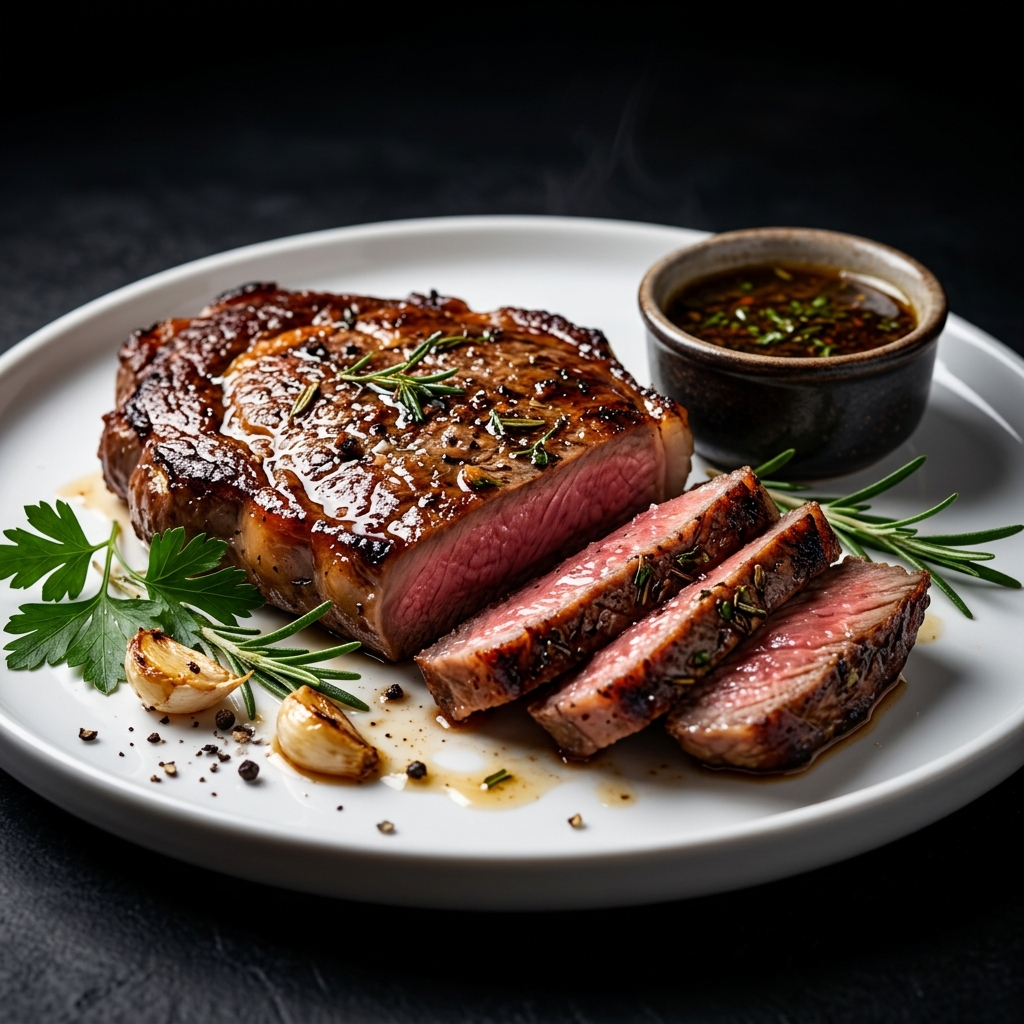
There is nothing quite like cutting into a beautifully seared steak and finding it juicy, tender, deeply flavorful, and seasoned all the way through. This easy Steak Marinade Recipe combines savory, tangy, herby, and slightly sweet flavors to transform an ordinary cut of beef into a restaurant-worthy dinner with very little effort. Whether you are preparing steak for a weekend cookout, a summer barbecue, or a simple family dinner, this marinade is an easy way to make every bite more flavorful and delicious.
Ingredients for Steak Marinade
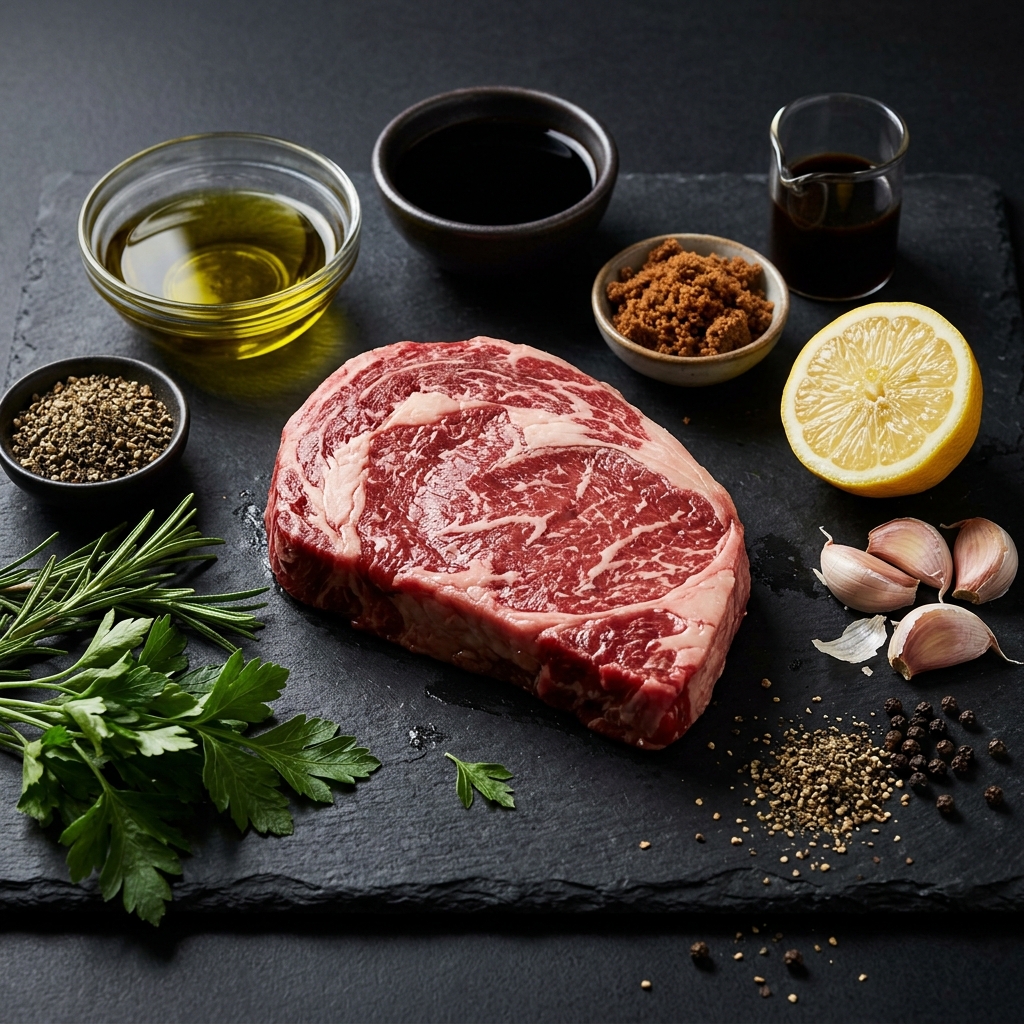
This marinade uses simple ingredients that work together to build layers of flavor. Each ingredient has a purpose, from adding richness and moisture to helping balance the savory and acidic flavors.
Steak
Use about 2 pounds of steak, such as sirloin, ribeye, New York strip, flank steak, skirt steak, or top sirloin. Choose steaks with good marbling whenever possible, because the small streaks of fat melt during cooking and contribute to tenderness and flavor.
For thinner cuts such as flank or skirt steak, marinating is especially helpful because the additional flavor can penetrate more effectively. For naturally tender steaks such as ribeye, the marinade is primarily about adding flavor rather than tenderizing the meat.
Olive Oil
Use 1/4 cup extra-virgin olive oil. The oil helps carry the flavors of the herbs and seasonings while also coating the steak evenly. It contributes richness and helps create a beautifully browned exterior when the steak hits the hot cooking surface.
Soy Sauce
Add 1/4 cup soy sauce for deep savory flavor and saltiness. Soy sauce also contains compounds that contribute to the rich umami character that makes grilled or seared steak taste especially satisfying.
For a gluten-free version, use certified gluten-free tamari or gluten-free soy sauce.
Worcestershire Sauce
Use 2 tablespoons Worcestershire sauce. Its complex combination of savory, tangy, and slightly sweet flavors adds depth to the marinade without making any individual flavor overpowering.
Fresh Garlic
Use 3 to 4 garlic cloves, finely minced. Fresh garlic provides a strong aromatic quality that pairs naturally with beef and becomes especially fragrant when the steak is cooked.
Lemon Juice
Add 2 tablespoons fresh lemon juice. The acidity brightens the marinade and helps balance the richness of the steak. Freshly squeezed lemon juice is preferable because it provides a cleaner, fresher flavor than bottled lemon juice.
Fresh Rosemary
Use 1 tablespoon finely chopped fresh rosemary, or approximately 1 teaspoon dried rosemary if fresh is unavailable. Rosemary has a bold, woodsy flavor that complements beef particularly well.
Fresh Parsley
Add 1 tablespoon finely chopped fresh parsley. Parsley brings freshness and a mild herbal note that keeps the marinade from tasting too heavy.
Black Pepper
Use 1 teaspoon freshly ground black pepper. Freshly cracked pepper gives the marinade more aroma and a stronger peppery character than pre-ground pepper.
Brown Sugar or Honey
Add 1 tablespoon brown sugar or honey, if desired. This small amount provides subtle sweetness and helps encourage beautiful browning and caramelization on the outside of the steak.
For a low-carb or keto-friendly marinade, leave out the sugar or honey.
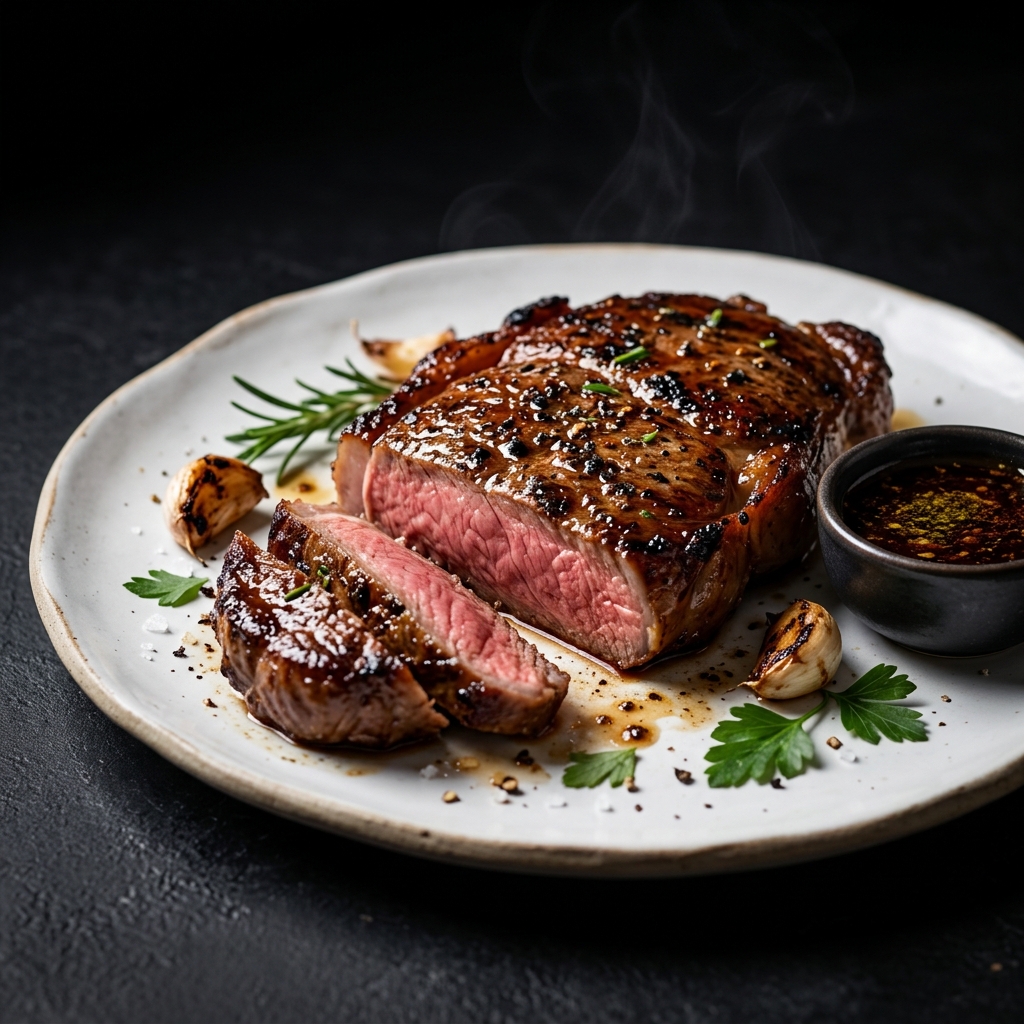
How to Make Steak Marinade
The beauty of this recipe is that the marinade takes only a few minutes to prepare. The most important part is allowing enough time for the steak to absorb the flavors before cooking.
Step 1: Prepare the Marinade
Add the olive oil, soy sauce, Worcestershire sauce, lemon juice, minced garlic, rosemary, parsley, black pepper, and brown sugar or honey to a medium bowl.
Whisk everything together until the ingredients are thoroughly combined.
The marinade should look glossy and well blended, with the herbs and garlic distributed throughout the liquid. Taste a tiny amount before adding the steak, keeping in mind that it should taste fairly bold and salty because the steak itself will mellow the flavor.
Step 2: Prepare the Steak
Pat the steaks dry with paper towels before marinating.
This small step is easy to overlook, but it is useful because removing excess surface moisture allows the marinade to cling better to the meat.
Inspect the steaks and trim away any unusually thick pieces of exterior fat or tough connective tissue if necessary. Do not remove all the fat, however. A reasonable amount of marbling and exterior fat contributes greatly to flavor.
Step 3: Marinate the Steak
Place the steaks inside a large resealable food-safe bag or a shallow non-reactive baking dish.
Pour the prepared marinade over the steaks, turning them several times so every surface is coated.
If using a bag, gently press out as much excess air as practical before sealing it. Place the bag or covered dish in the refrigerator.
For most steaks, 2 to 6 hours is a good marinating window.
Thinner, tougher cuts such as flank or skirt steak can benefit from several hours of marinating. More delicate or naturally tender cuts do not necessarily need an extremely long marinade.
Avoid leaving the steak in a strongly acidic marinade for excessively long periods. The lemon juice can begin changing the texture of the outer layer of the meat, potentially making it soft rather than pleasantly tender.
Step 4: Bring the Steak Toward Room Temperature
Remove the steak from the refrigerator roughly 20 to 30 minutes before cooking.
Do not leave raw meat sitting at room temperature for extended periods. The goal is simply to take away some of the refrigerator chill while you prepare your cooking surface.
Remove the steak from the marinade and allow excess liquid to drip away.
For the best sear, gently pat the surface dry with paper towels.
This is one of the most important techniques in the entire recipe. A wet steak tends to steam before it sears, while a relatively dry surface can make direct contact with the hot pan or grill and develop a much more attractive browned crust.
Discard the used marinade rather than using it as a sauce unless it is thoroughly boiled first.
Step 5: Preheat Your Grill or Skillet
For grilled steak, preheat the grill until it is very hot.
For stovetop cooking, choose a heavy skillet, preferably cast iron or another pan capable of retaining substantial heat. Preheat it over medium-high to high heat until properly hot.
A hot cooking surface is essential for creating the deep brown crust that makes a great steak so appealing.
If using a skillet, add a small amount of high-heat cooking oil if necessary. Because the marinade already contains olive oil, you generally do not need a large amount of additional oil.
Step 6: Cook the Steak
Place the steak on the hot grill or skillet.
Let it cook undisturbed for several minutes so the surface has time to develop a flavorful crust. The exact cooking time depends on the thickness of the steak and your preferred level of doneness.
For a thick steak, you can turn it periodically during cooking to promote even browning. Avoid constantly moving the steak around, as this can interfere with proper searing.
Use an instant-read thermometer for the most reliable results rather than relying only on cooking time.
The steak will continue cooking slightly after it is removed from the heat, so account for carryover cooking when determining when to take it off the grill or pan.
Step 7: Let the Steak Rest
Transfer the cooked steak to a clean cutting board or plate and let it rest for several minutes before slicing.
This is not a step to skip.
Resting gives the meat time to settle after cooking, allowing its juices to redistribute rather than immediately running onto the cutting board when the steak is cut.
For thicker steaks, a resting period of around 5 to 10 minutes is generally useful.
Step 8: Slice and Serve
For steaks such as flank or skirt steak, identify the direction of the muscle fibers and slice against the grain into thin pieces.
Cutting against the grain shortens the muscle fibers, making each bite feel more tender.
For naturally tender steaks such as ribeye or strip steak, slice according to your preferred presentation, keeping the pieces substantial enough to showcase the juicy center and browned crust.
Serve immediately while the steak is warm and juicy.
Steak Marinade Variations
One of the best things about a homemade steak marinade is how easily you can adjust it to suit different flavors and dietary preferences.
Garlic Herb Steak Marinade
For a more herb-forward version, increase the fresh rosemary and parsley and add a little fresh thyme. You can also add a small amount of oregano for a Mediterranean-inspired flavor.
This variation works particularly well with grilled sirloin and strip steak.
Honey Garlic Steak Marinade
Replace the brown sugar with honey and slightly increase the garlic. The honey adds a delicate sweetness that works beautifully with the savory soy sauce and Worcestershire sauce.
Keep an eye on the steak while cooking because marinades containing honey can brown quickly over high heat.
Spicy Steak Marinade
For a spicy version, add crushed red pepper flakes, cayenne pepper, or a little hot sauce.
A small amount can create a pleasant warmth without overpowering the beef. For a stronger smoky-spicy flavor, smoked paprika can also be added.
Balsamic Steak Marinade
Replace part of the lemon juice with balsamic vinegar for a deeper, slightly sweet and tangy flavor.
Balsamic vinegar pairs especially well with garlic, rosemary, and black pepper and creates a sophisticated marinade for grilled steak.
Keto-Friendly Steak Marinade
For a low-carb or keto version, simply omit the brown sugar or honey and make sure your soy sauce or Worcestershire sauce fits your preferred carbohydrate limits.
The combination of olive oil, garlic, herbs, lemon juice, soy sauce, and Worcestershire sauce can still produce an intensely flavorful steak without added sugar.
Gluten-Free Steak Marinade
Use certified gluten-free soy sauce or tamari and verify that the Worcestershire sauce and any other packaged seasonings you use are gluten-free.
The steak itself is naturally gluten-free, but packaged sauces are where hidden gluten can sometimes enter the recipe.
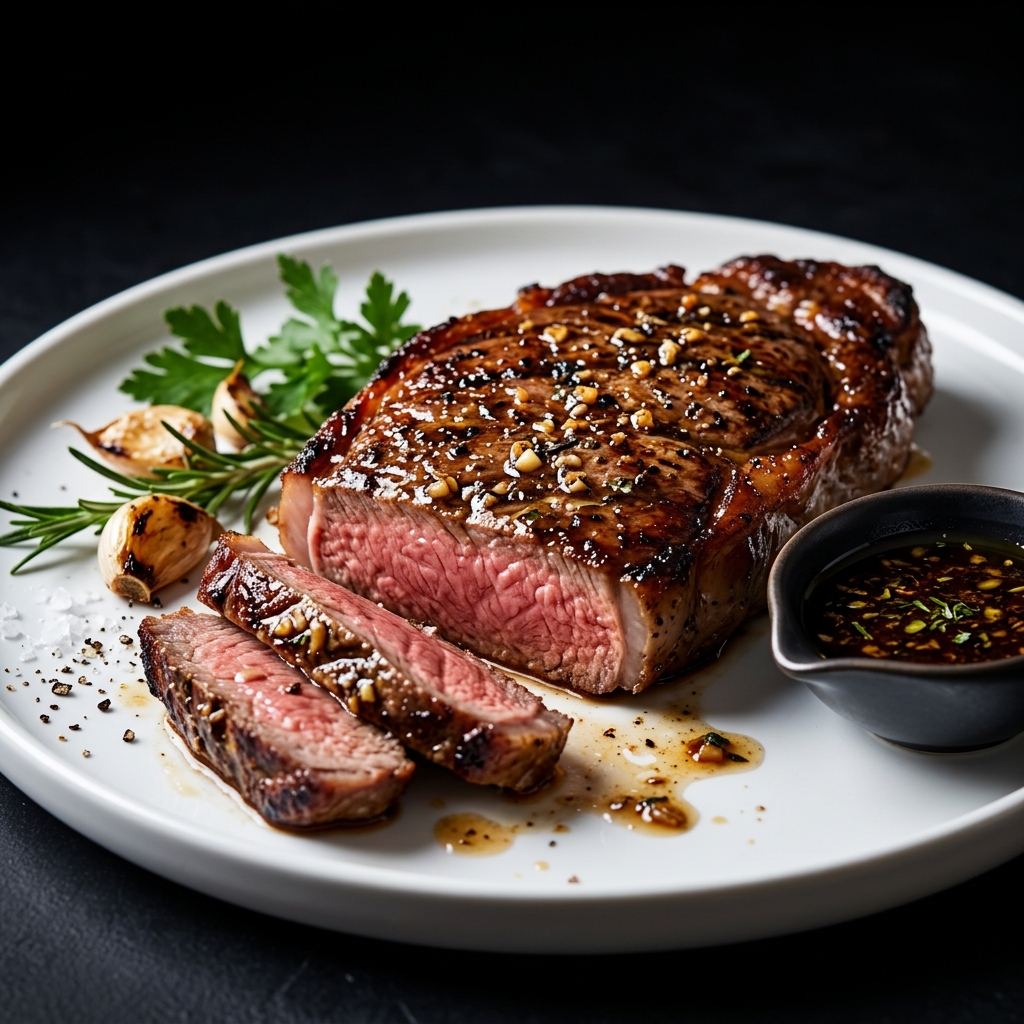
Expert Tips for the Best Marinated Steak
Do Not Over-Marinate
More marinating time does not always mean better steak.
Because this recipe contains acidic ingredients, excessively long marinating can negatively affect the texture of the outer portion of the meat. A few hours is usually plenty for excellent flavor.
Dry the Steak Before Searing
This deserves repeating because it makes such a noticeable difference.
After removing the steak from the marinade, pat it dry before placing it on the hot cooking surface. You want the steak to sear rather than boil in a layer of excess marinade.
Use a Meat Thermometer
Cooking time can vary dramatically depending on steak thickness, starting temperature, pan temperature, grill temperature, and the exact cut of beef.
An instant-read thermometer gives you much greater control over doneness than guessing based on minutes per side.
Give the Steak Enough Heat
A lukewarm skillet is one of the fastest ways to end up with a pale, gray steak instead of a beautifully browned one.
Preheat your cooking surface properly before adding the meat.
Do Not Crowd the Pan
If cooking several steaks, make sure there is enough space between them. Overcrowding reduces the temperature of the cooking surface and creates excess moisture.
Cook in batches if necessary.
Rest Before Slicing
Even a perfectly cooked steak can lose some of its appeal if sliced immediately.
Give it a few minutes to rest, then slice and serve.
Slice Against the Grain When Appropriate
This is particularly important for flank and skirt steak. Cutting against the grain can make a noticeable difference in how tender the steak feels when eaten.
What to Serve With Steak Marinade Recipe
This flavorful steak can be paired with everything from simple vegetables to hearty comfort-food sides.
Garlic Butter Potatoes
Crispy roasted or pan-fried potatoes make an excellent companion for juicy steak. Their creamy interior and golden exterior provide a satisfying contrast to the rich beef.
Roasted Vegetables
Roasted broccoli, carrots, asparagus, Brussels sprouts, zucchini, or bell peppers add color and freshness to the plate.
Creamy Mashed Potatoes
For a classic steakhouse-style dinner, serve the steak alongside buttery mashed potatoes. The potatoes are especially good with any flavorful juices left on the plate.
Grilled Corn
Grilled corn brings a naturally sweet, smoky element to the meal and works particularly well for summer cookouts.
Fresh Green Salad
A crisp salad with lettuce, cucumber, tomatoes, and a light vinaigrette can balance the richness of the steak and make the meal feel fresher.
Sautéed Mushrooms
Garlic-butter mushrooms are another excellent pairing. Their earthy flavor complements the savory character of the marinated beef.
Roasted Asparagus
Asparagus cooks quickly and adds a slightly crisp, fresh vegetable component to a hearty steak dinner.
Frequently Asked Questions
How long should I marinate steak?
For this marinade, around 2 to 6 hours is a good general range. Tougher cuts can benefit from several hours, while naturally tender cuts do not require extremely long marinating. Avoid unnecessarily prolonged marinating because the acidic ingredients can affect the texture.
Can I marinate steak overnight?
You can, depending on the steak and marinade, but it is not always necessary. Because this marinade contains lemon juice, a shorter marinating period is generally preferable for achieving good flavor without compromising the texture of the outer surface.
Can I use this marinade for different cuts of steak?
Absolutely. This marinade works well with sirloin, flank steak, skirt steak, strip steak, ribeye, and other beef cuts. The cooking method and marinating time can be adjusted depending on the cut and thickness.
Should I rinse the steak after marinating?
No. There is no need to rinse it. Instead, remove the steak from the marinade and pat it dry with paper towels before cooking. Rinsing can spread raw meat juices around your kitchen and does not improve the steak.
Can I reuse leftover steak marinade?
Do not reuse marinade that has been in contact with raw steak unless you first bring it to a proper boil and cook it thoroughly. The safer and easier approach is to discard used marinade after removing the raw meat.
Is steak marinade gluten-free?
It can be, but the recipe is not automatically gluten-free. Regular soy sauce commonly contains wheat. To make the marinade gluten-free, use certified gluten-free soy sauce or tamari and check the labels of Worcestershire sauce and other packaged ingredients.
Is this steak marinade keto-friendly?
It can be. For a keto-friendly version, omit the brown sugar or honey and choose sauces that fit your carbohydrate requirements. Olive oil, garlic, herbs, lemon juice, and steak are naturally compatible with a low-carb approach.
What is the best way to cook marinated steak?
Grilling and high-heat skillet cooking are both excellent choices. The key is to remove excess marinade, pat the steak dry, and use a sufficiently hot cooking surface so the exterior can develop a flavorful browned crust.
Why is my marinated steak not getting a good crust?
The most common reason is excess moisture on the surface. Marinade contains liquid, and a wet steak will struggle to brown properly. Pat the steak dry before cooking and make sure your grill or skillet is fully preheated.
Should I season steak after marinating?
Usually, additional salt is not necessary because soy sauce and Worcestershire sauce already contribute significant saltiness. You can add freshly cracked black pepper or adjust seasoning after cooking according to taste.

Steak Marinade Recipe
Ingredients
Equipment
Method
- Make the marinade: Add olive oil, soy sauce, Worcestershire sauce, lemon juice, minced garlic, rosemary, parsley, black pepper, and brown sugar or honey to a medium bowl. Whisk until thoroughly combined.
- Prepare the steak: Pat the steaks dry with paper towels. Trim only excess exterior fat or tough connective tissue if necessary.
- Marinate: Place the steaks in a large resealable bag or shallow baking dish. Pour the marinade over the steaks and turn them several times to coat evenly. Seal or cover and refrigerate for 2–6 hours.
- Prepare for cooking: Remove the steak from the refrigerator about 20–30 minutes before cooking. Take the steak out of the marinade and allow excess liquid to drip away. Pat the surface thoroughly dry with paper towels.
- Heat the cooking surface: Preheat a grill or heavy skillet over medium-high to high heat until very hot. If using a skillet, add a small amount of high-heat cooking oil if needed.
- Cook the steak: Place the steak on the hot grill or skillet. Cook until a deep, flavorful crust develops, turning as needed for even cooking. Cooking time will depend on the thickness of the steak and desired doneness.
- Check doneness: Use an instant-read thermometer to check the internal temperature rather than relying solely on cooking time.
- Rest: Transfer the cooked steak to a clean cutting board and let it rest for approximately 5–10 minutes before slicing.
- Slice and serve: Slice against the grain when appropriate, particularly for flank or skirt steak. Serve immediately with your favorite steakhouse-style sides.
Notes
Do not reuse marinade that has touched raw steak unless it is thoroughly boiled first. The safest option is to discard used marinade.
For a gluten-free version, use certified gluten-free soy sauce or tamari and check the Worcestershire sauce label.
For a keto or low-carb version, omit the brown sugar or honey and choose sauces that fit your carbohydrate requirements.
Do not over-marinate the steak. The lemon juice can affect the texture if the meat remains in the marinade for too long.
For tougher cuts such as flank or skirt steak, slicing against the grain makes a noticeable difference in tenderness.
An instant-read thermometer provides the most reliable way to achieve your preferred level of doneness.
Letting the steak rest before slicing helps retain its juices and keeps each bite moist and flavorful.

Hi, I’m Clara, the creator of Barakala. I love sharing simple, comforting, and delicious recipes that make everyday cooking easier and more enjoyable for home cooks.