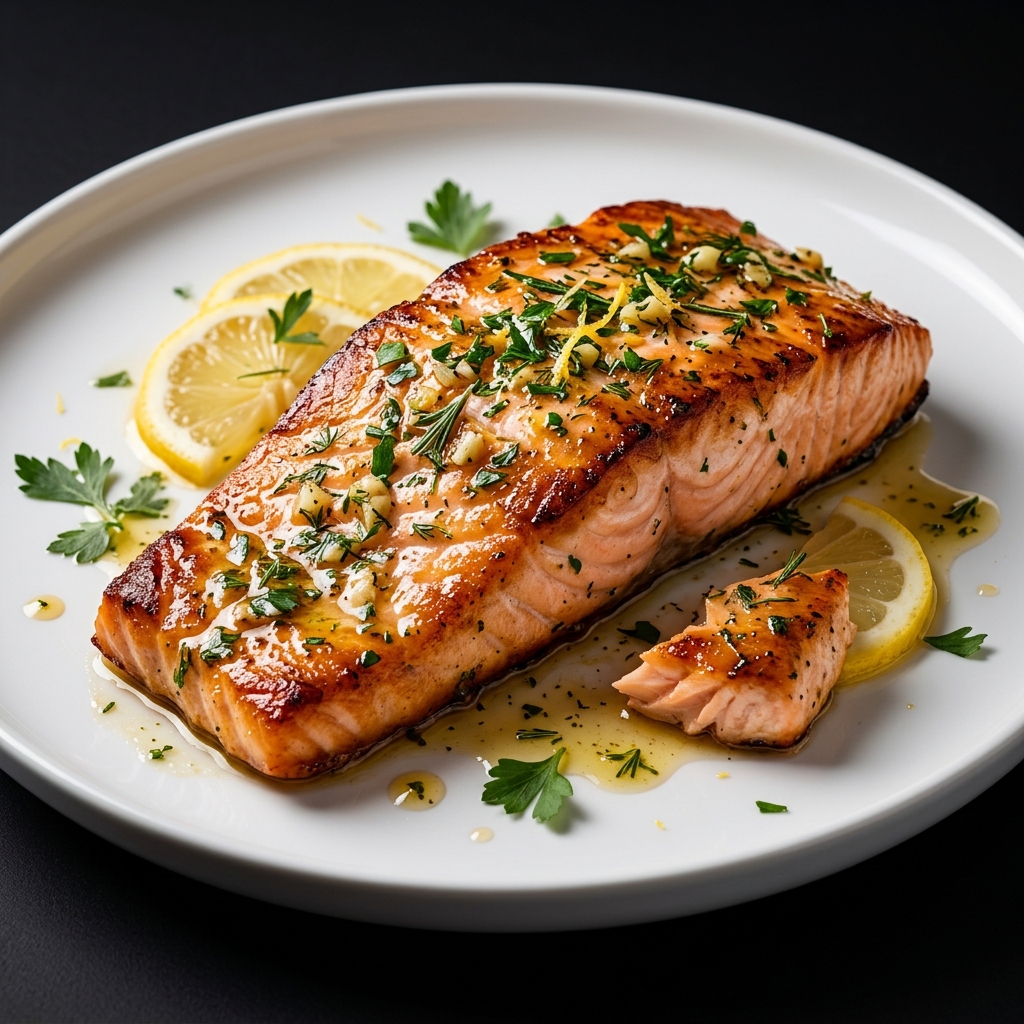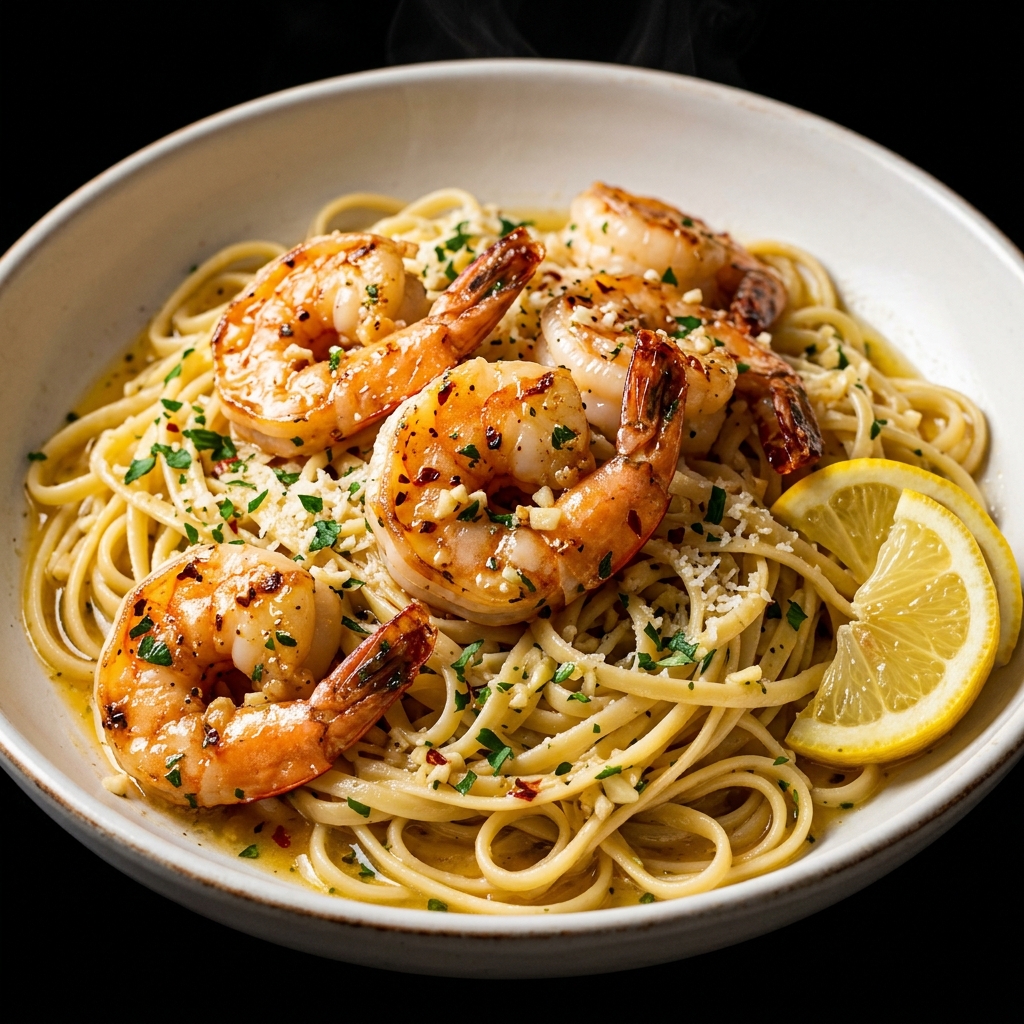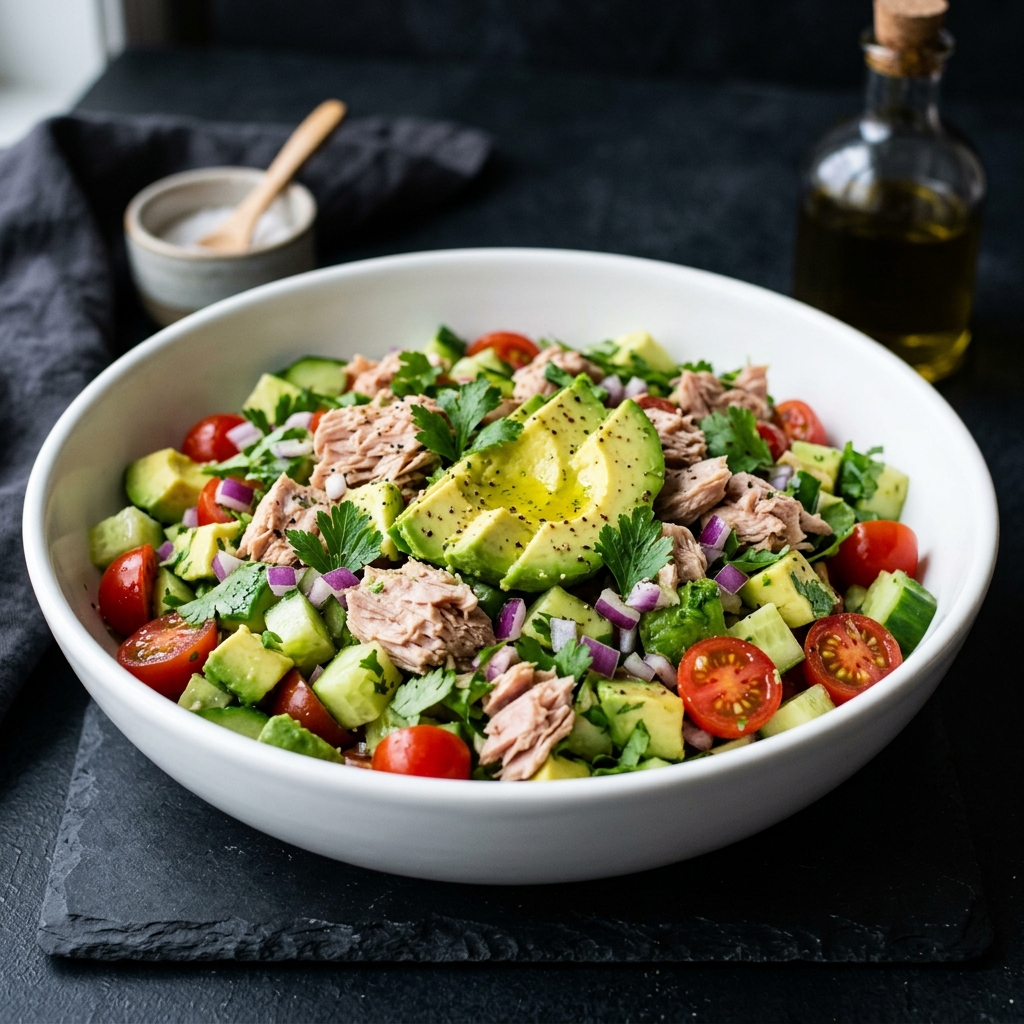

There are few salads as simple yet as stunning as a classic Caprese Salad. With ripe, juicy tomatoes, creamy fresh mozzarella, fragrant basil, quality olive oil, and a touch of balsamic glaze, every bite delivers a beautiful balance of freshness, creaminess, sweetness, and acidity.
Ingredients for Caprese Salad

A great Caprese Salad depends heavily on ingredient quality. Because there are only a handful of components, there is nowhere for poor-quality ingredients to hide. Choose tomatoes that are genuinely ripe, mozzarella that is soft and fresh, basil that is fragrant and vibrant, and an olive oil with a pleasant fruity character.
Ripe Tomatoes
You will need about 3 to 4 large ripe tomatoes, depending on their size and how generously you want to arrange the salad. Tomatoes should feel slightly soft when gently pressed but should not be mushy.
Look for tomatoes that have a rich color, smooth skin, and a fresh tomato aroma. Vine-ripened tomatoes, heirloom tomatoes, beefsteak tomatoes, or other flavorful varieties can work beautifully.
The most important point is flavor. A perfectly ripe ordinary tomato is often better than an expensive variety that was picked too early.
Fresh Mozzarella
Use approximately 8 ounces of fresh mozzarella. Fresh mozzarella has a soft, delicate texture and a mild milky flavor that pairs beautifully with ripe tomatoes.
If you can find mozzarella di bufala, it is an excellent choice because its creamy texture and slightly richer flavor make the salad particularly luxurious. Fior di latte is another wonderful option.
Avoid using the firm, low-moisture mozzarella commonly used for melting on pizza. It does not provide the soft, creamy texture that makes a traditional Caprese Salad so appealing.
Fresh Basil
You will need a generous handful of fresh basil leaves.
Fresh basil provides the aromatic character that ties the tomatoes and mozzarella together. Choose leaves that are bright green, fragrant, and free from excessive bruising or dark spots.
For the best presentation, use a mixture of whole small leaves and larger leaves gently torn into smaller pieces. Avoid chopping basil too far in advance because it can bruise quickly and lose its vibrant appearance.
Extra-Virgin Olive Oil
Use approximately 2 to 3 tablespoons of good-quality extra-virgin olive oil.
Since the oil is used as a finishing ingredient rather than merely for cooking, its flavor matters. Choose an olive oil that tastes fresh and fruity, with a pleasant peppery finish if possible.
A good drizzle over the finished salad adds richness and helps carry the flavors of the tomato, mozzarella, and basil across the palate.
Balsamic Glaze
Use about 1 to 2 tablespoons of balsamic glaze, or add it according to taste.
Balsamic glaze is optional depending on how traditional you want the salad to be, but it adds a beautiful sweet-tart contrast and creates an attractive finish.
Do not confuse balsamic glaze with ordinary balsamic vinegar. Glaze is thicker and sweeter, making it ideal for drizzling over the finished salad.
Flaky Sea Salt
Add about ½ teaspoon of flaky sea salt, adjusting to taste.
Salt is particularly important in a tomato-based salad because it enhances the tomatoes’ natural sweetness and brings the entire dish into balance.
Freshly Ground Black Pepper
Add about ¼ teaspoon of freshly ground black pepper, or more according to preference.
Freshly cracked pepper adds gentle warmth and complexity without overpowering the delicate ingredients.
How to Make Caprese Salad
The preparation is wonderfully simple, but a few professional techniques can make a significant difference in the final result.
Step 1: Choose and Prepare the Tomatoes
Start by washing the tomatoes thoroughly under cool running water and drying them completely with a clean kitchen towel.
Remove the stem ends. Using a sharp chef’s knife or serrated knife, cut the tomatoes into slices approximately ¼-inch to ½-inch thick.
Try to keep the slices relatively uniform. Consistent slices make the finished salad easier to arrange and ensure that each serving contains a balanced combination of tomato and mozzarella.
Do not slice the tomatoes too thinly. Very thin slices can become watery and lose their structure, while thicker slices provide a satisfying bite.
Step 2: Prepare the Mozzarella
Drain the fresh mozzarella well before slicing.
If the cheese is particularly moist, gently pat it dry with paper towels. This small step is surprisingly important because excess liquid can dilute the dressing and make the finished salad watery.
Slice the mozzarella into pieces similar in thickness to the tomatoes. The goal is to create a pleasant ratio of tomato to cheese in every bite.
If you are using small mozzarella balls, such as bocconcini, you can leave them whole or halve them depending on their size.
Step 3: Prepare the Basil
Rinse the basil gently under cool water and pat it dry.
Small basil leaves can be kept whole. Larger leaves can be torn gently by hand rather than finely chopped.
Tearing the leaves helps maintain a rustic appearance and reduces the amount of bruising that can occur from aggressive chopping.
Keep some of the prettiest basil leaves aside for the final garnish.
Step 4: Arrange the Salad
Now comes the part that transforms a handful of ingredients into an impressive dish.
On a large modern white serving plate or shallow platter, arrange alternating slices of tomato and mozzarella. Slightly overlap each slice so that the colors form a beautiful repeating pattern.
Tuck fresh basil leaves between the tomato and mozzarella slices.
You can arrange the ingredients in a traditional straight line, a circular pattern, or a loose overlapping arrangement. For entertaining, a circular arrangement around the plate can create a particularly attractive presentation.
Do not overcrowd the plate. Although you want the dish to look generous, each ingredient should remain clearly visible.
Step 5: Season Carefully
Sprinkle the tomatoes and mozzarella lightly with flaky sea salt and freshly ground black pepper.
Seasoning should be distributed evenly rather than concentrated in one area.
Remember that mozzarella is naturally mild, while ripe tomatoes benefit tremendously from proper seasoning. Taste one small tomato slice before adding too much salt so you can judge how much is necessary.
Step 6: Add the Olive Oil
Drizzle the extra-virgin olive oil slowly across the entire salad.
Instead of pouring all of the oil into one spot, move your hand gently back and forth across the plate.
This allows the oil to lightly coat the ingredients without drowning them.
A high-quality olive oil should complement the salad rather than dominate it.
Step 7: Finish With Balsamic Glaze
If using balsamic glaze, drizzle it lightly over the tomatoes, mozzarella, and basil.
Less is more here. Too much balsamic glaze can make the salad overly sweet and can overpower the delicate flavor of the mozzarella and basil.
A few thin lines across the plate are usually enough to provide flavor and visual appeal.
Step 8: Garnish and Serve
Finish with a few fresh basil leaves and, if desired, another very light drizzle of olive oil.
Serve the Caprese Salad immediately or after a short resting period of approximately 5 to 10 minutes.
That brief period allows the seasoning and olive oil to mingle with the tomatoes without giving the ingredients enough time to become excessively watery.
The Small Detail That Can Transform Your Caprese Salad
The difference between an ordinary Caprese Salad and one that tastes like it came from an excellent Italian restaurant often comes down to something surprisingly simple: temperature and timing.
It is tempting to take tomatoes and mozzarella directly from the refrigerator and assemble the salad immediately. However, very cold ingredients can mute their natural flavors. Tomatoes in particular become much more aromatic and expressive when they are served closer to room temperature.
For the best flavor, allow your tomatoes to come to room temperature before preparing the salad. Fresh mozzarella can also be allowed to sit out briefly before serving, provided it is handled safely. This gives the ingredients an opportunity to reveal their natural sweetness, creaminess, and fragrance.
There is another important detail: do not prepare the salad hours ahead and leave it heavily dressed. Salt draws moisture from tomatoes, and once combined with olive oil and other ingredients, the salad can gradually lose its crisp structure. A Caprese Salad is at its best when the tomatoes remain juicy but firm, the mozzarella stays creamy, and the basil remains fresh and aromatic.
Variations of Caprese Salad
The classic version is hard to beat, but Caprese Salad is flexible enough to adapt to different occasions and ingredients.
Classic Italian-Style Caprese
For a traditional approach, keep things simple with ripe tomatoes, fresh mozzarella, basil, extra-virgin olive oil, sea salt, and black pepper.
You can omit the balsamic glaze if you prefer a cleaner tomato-and-mozzarella flavor.
Heirloom Tomato Caprese
Use a mixture of heirloom tomatoes in different colors, such as red, yellow, orange, and purple.
This version is especially attractive for entertaining because the tomatoes create a naturally colorful presentation without requiring additional decoration.
The flavors can also vary from tomato to tomato, making every bite slightly different.
Cherry Tomato Caprese
For a smaller appetizer or an easy party salad, replace sliced tomatoes with cherry or grape tomatoes.
Halve the tomatoes and combine them with mozzarella pearls and torn basil. Toss gently with olive oil, salt, pepper, and a small amount of balsamic glaze.
This version is particularly convenient for serving at picnics, potlucks, and casual gatherings.
Caprese Skewers
For parties, thread cherry tomatoes, mozzarella pearls, and basil leaves onto small appetizer skewers.
Arrange the skewers on a serving platter and drizzle lightly with olive oil and balsamic glaze just before serving.
This transforms the salad into an easy finger food that guests can pick up without needing forks.
Avocado Caprese Salad
For a richer variation, add slices of ripe avocado.
The creamy avocado complements the mozzarella while adding another layer of texture. Because avocado has a mild flavor, it works well with tomatoes, basil, and olive oil.
Add the avocado shortly before serving to prevent it from browning.
Peach Caprese Salad
For a sweet summer variation, replace some of the tomatoes with ripe peach slices.
The sweetness of peaches pairs beautifully with creamy mozzarella, fresh basil, and a fruity olive oil. A small drizzle of balsamic glaze makes the combination even more appealing.
This version works particularly well when tomatoes and peaches are both at their seasonal peak.
Expert Tips for the Best Caprese Salad
Use the Best Tomatoes You Can Find
This is the most important rule.
Because tomatoes make up such a large portion of the dish, their flavor determines much of the final result. Choose ripe, fragrant tomatoes rather than relying solely on appearance.
If the tomatoes are bland, even excellent mozzarella and olive oil will have difficulty making the salad exceptional.
Do Not Refrigerate Tomatoes Unless Necessary
Refrigeration can negatively affect the flavor and texture of ripe tomatoes.
Store whole ripe tomatoes at room temperature and use them while they are at their best. If they have already been cut, refrigerate them for food safety and quality, but allow them to lose some of their chill before serving when appropriate.
Dry Everything Thoroughly
Excess water is one of the biggest enemies of a beautiful Caprese Salad.
Dry the tomatoes after washing them, drain the mozzarella thoroughly, and pat the basil dry.
The goal is a salad that is juicy because of the ingredients themselves, not because water has collected at the bottom of the plate.
Season the Tomatoes, Not Just the Finished Plate
Salt should make contact with the tomatoes.
This helps enhance their natural sweetness and brings out their flavor. Rather than adding all the seasoning at the end, season lightly as you arrange the ingredients.
Use a Sharp Knife
A dull knife crushes tomatoes instead of slicing through them cleanly.
A sharp knife creates neat slices and helps preserve the tomato’s juices and structure.
For especially ripe tomatoes, a serrated knife can also work exceptionally well.
Be Gentle With Fresh Mozzarella
Fresh mozzarella is delicate. Avoid squeezing or pressing it excessively.
Handle the cheese carefully and pat it dry instead of trying to remove moisture by force.
Add Basil Near Serving Time
Basil is delicate and can darken or bruise when handled aggressively.
Adding the basil shortly before serving keeps it looking fresh and vibrant.
Do Not Overdress the Salad
Caprese Salad should taste like tomatoes, mozzarella, and basil—not like dressing.
Use olive oil and balsamic glaze as accents rather than letting them overwhelm the main ingredients.
Serve on a Light-Colored Plate
A white or neutral modern serving plate creates beautiful contrast against the red tomatoes and green basil.
It also allows the ingredients to become the visual centerpiece of the dish, making the salad especially appealing for dinner parties and food photography.
What to Serve With Caprese Salad
Caprese Salad is versatile enough to work as an appetizer, side dish, or light meal. Its fresh flavors pair particularly well with foods that are savory, grilled, roasted, or Mediterranean-inspired.
Crusty Artisan Bread
A warm loaf of crusty Italian bread, sourdough, or ciabatta is an excellent companion.
The bread can soak up the flavorful tomato juices and olive oil left on the plate, turning every last drop into something worth eating.
Grilled Chicken
Serve Caprese Salad alongside grilled chicken breast or herb-marinated chicken for a balanced meal.
The freshness of the salad helps cut through the savory richness of grilled meat.
Grilled Fish
Grilled salmon, cod, sea bass, or another mild fish can pair beautifully with Caprese Salad.
The bright acidity and fresh basil provide a refreshing contrast to the fish.
Pasta
Caprese Salad works naturally alongside simple Italian pasta dishes.
Try serving it with spaghetti aglio e olio, creamy pasta, tomato-based pasta, or a light pesto pasta.
Grilled Vegetables
Zucchini, eggplant, bell peppers, asparagus, and other grilled vegetables make excellent companions.
The smoky flavor of grilled vegetables complements the fresh ingredients in the salad without competing with them.
Roasted Chicken
For a more substantial dinner, serve the salad alongside herb-roasted chicken and roasted potatoes.
The combination creates a meal that feels comforting while still maintaining a fresh element.
How to Store Caprese Salad
Caprese Salad is best eaten fresh, but leftovers can be stored carefully.
If you know you will have leftovers, avoid dressing the entire salad at once. Instead, dress only the portion you plan to eat immediately and keep the remaining ingredients separate whenever possible.
Place leftover tomato and mozzarella in an airtight container and refrigerate them. Keep fresh basil separate because prolonged contact with moisture can cause it to darken and wilt.
For the best quality, consume refrigerated leftovers within about 1 day. The tomatoes may release additional liquid as they sit, and the mozzarella can gradually lose some of its appealing fresh texture.
When ready to eat, drain any excess liquid, allow the ingredients to lose some of their chill when appropriate, add fresh basil, and finish with olive oil, seasoning, and balsamic glaze.
Do not freeze Caprese Salad. Freezing significantly damages the texture of fresh tomatoes and mozzarella and will leave you with a salad that lacks the fresh quality that makes this dish special.
Frequently Asked Questions
Can I make Caprese Salad ahead of time?
You can prepare some of the components ahead of time, but it is best to assemble and dress the salad shortly before serving. Slice the ingredients, store them appropriately, and arrange them closer to mealtime for the freshest texture and appearance.
Should Caprese Salad be served cold?
It is commonly served cool or close to room temperature rather than ice-cold. Extremely cold tomatoes and mozzarella can have muted flavors. Allowing the ingredients to warm slightly before serving can make the salad more aromatic and flavorful, while still following appropriate food-safety practices.
What mozzarella is best for Caprese Salad?
Fresh mozzarella is the preferred choice. Fior di latte, fresh mozzarella balls, or mozzarella di bufala can all produce excellent results. Avoid firm low-moisture mozzarella intended primarily for melting.
Can I use balsamic vinegar instead of balsamic glaze?
Yes, although the result will be different. Balsamic vinegar is thinner and more acidic, while balsamic glaze is thicker and generally sweeter. If using vinegar, drizzle it lightly so that its acidity does not overpower the tomatoes and mozzarella.
Why is my Caprese Salad watery?
Excess moisture can come from very juicy tomatoes, wet mozzarella, or dressing the salad too far in advance. Drain and dry the mozzarella, pat the tomatoes dry after washing, and assemble the salad shortly before serving to minimize excess liquid.
What tomatoes are best for Caprese Salad?
Use ripe, flavorful tomatoes that are in season. Beefsteak, heirloom, vine-ripened, Roma, and other flavorful varieties can work. The variety matters less than ripeness, freshness, and taste.
Can I make Caprese Salad without balsamic glaze?
Absolutely. A classic Caprese Salad does not require balsamic glaze. Tomatoes, fresh mozzarella, basil, excellent olive oil, salt, and pepper can create an exceptionally flavorful salad on their own.
How do I keep basil from turning dark?
Handle basil gently, keep it dry, and add it close to serving time. Avoid crushing or excessively chopping the leaves, as bruising can cause them to darken more quickly.
Is Caprese Salad a complete meal?
Caprese Salad can serve as a light meal, especially when paired with crusty bread or another simple accompaniment. For a more filling main course, serve it with grilled chicken, fish, shrimp, or another protein.
Can I use cherry tomatoes instead of regular tomatoes?
Yes. Cherry tomatoes are excellent for a bite-sized version of Caprese Salad. Combine halved cherry tomatoes with mozzarella pearls and fresh basil, then finish with olive oil, seasoning, and a light balsamic drizzle.
Why This Simple Salad Works So Well
Caprese Salad is a perfect example of culinary balance. It does not depend on a complicated dressing, a long cooking process, or an impressive list of spices. Instead, it brings together a few ingredients that naturally complement one another.
The tomatoes contribute sweetness, acidity, juiciness, and freshness. Fresh mozzarella adds creamy richness and a mild milky flavor. Basil contributes a fragrant herbal note that makes the tomatoes taste even brighter. Extra-virgin olive oil provides richness and carries the flavors across the palate, while salt sharpens the natural flavors of the ingredients.
This balance is what makes the salad so satisfying. Every ingredient has a purpose, and removing or overwhelming one component can change the character of the entire dish. That is why restraint is one of the most important skills when preparing Caprese Salad.
It is also why this recipe is so useful for home cooks. Once you understand the basic combination, you can adapt it to different seasons, occasions, and ingredients without losing the spirit of the dish.
How to Make Your Caprese Salad Look Restaurant-Worthy
Flavor is the most important part of any recipe, but presentation can make a simple salad feel much more special.
When plating Caprese Salad, think about color, spacing, height, and repetition. The deep red of the tomatoes against the white mozzarella and green basil naturally creates a beautiful palette. Rather than hiding those colors beneath excessive dressing, let them remain visible.
For a classic presentation, arrange alternating tomato and mozzarella slices in a slightly overlapping circle around a large white plate. Place basil leaves between several of the slices and leave a few smaller leaves whole for the final garnish.
For a more contemporary presentation, arrange the ingredients in an irregular pattern instead of creating a perfect circle. Slightly varying the placement of the tomato and mozzarella gives the plate a more natural, restaurant-style appearance.
Do not pile everything into the center of the plate. Giving each component enough visual space makes the food look more abundant and refined.
Finally, wipe the rim of the plate before serving. Even the most delicious salad can look less appealing if oil, balsamic glaze, or tomato juice has splashed around the edge.
The Best Time to Make Caprese Salad
Although Caprese Salad can technically be prepared throughout the year, it is at its absolute best when tomatoes and basil are naturally in season.
Summer is particularly ideal because ripe tomatoes are more likely to be sweet, juicy, fragrant, and full of flavor. Fresh basil also thrives during warm weather, making the combination especially vibrant.
That said, you do not need to wait for summer if you can find flavorful tomatoes at another time of year. The key is to judge the ingredients by taste and quality rather than relying entirely on the calendar.
If your tomatoes are not particularly flavorful, consider using cherry or grape tomatoes instead. They can sometimes provide better sweetness and consistency outside peak tomato season.
How to Choose Better Tomatoes at the Store
Knowing how to select tomatoes is one of the easiest ways to improve your Caprese Salad.
Start by looking at the color. Depending on the variety, ripe tomatoes should have a rich, developed color rather than appearing pale or green.
Next, gently smell the tomato near the stem. A fragrant tomato often indicates better flavor.
The tomato should feel firm but not hard. When pressed gently, it should yield slightly without feeling mushy.
Avoid tomatoes with extensive bruising, leaking areas, mold, or large soft spots.
If you are buying tomatoes from a farmers market, ask the seller which varieties are currently sweetest or best suited for eating fresh. This can be more useful than simply choosing the prettiest tomatoes.
How to Choose Fresh Mozzarella
Fresh mozzarella should look moist and tender rather than dry and rubbery.
Depending on the variety and packaging, it may be sold in liquid or whey. Once opened, drain it thoroughly before preparing the salad.
A good fresh mozzarella should have a delicate milky aroma and a soft, elastic texture. When sliced, it should hold together but remain tender.
If the cheese feels extremely firm or dry, it may not provide the creamy texture you want for a traditional Caprese Salad.
For a special occasion, mozzarella di bufala can be an excellent upgrade. Its richer flavor makes the salad feel particularly luxurious, although high-quality cow’s-milk mozzarella can also produce wonderful results.
How Olive Oil Changes the Flavor
Olive oil is not merely a dressing ingredient in this recipe. It is one of the principal flavors.
A fruity extra-virgin olive oil can bring out the sweetness of the tomatoes while adding a smooth richness to the mozzarella.
Some olive oils have a stronger peppery character, while others are softer and more delicate. Either style can work, but avoid an oil with unpleasant bitterness, rancid flavors, or a stale aroma.
When serving a recipe with so few ingredients, it is worth using an olive oil that you genuinely enjoy tasting on its own.
You do not need a large amount. A thoughtful drizzle is usually enough.
Understanding the Role of Salt
Salt is sometimes treated as an afterthought, but it can completely change a tomato’s flavor.
A ripe tomato already contains sweetness and acidity, but a small amount of salt helps make those flavors more noticeable. It can make the tomato taste sweeter and more vibrant without adding sweetness itself.
Flaky sea salt is especially pleasant because its irregular crystals provide occasional bursts of seasoning.
However, avoid heavily salting the salad. Both mozzarella and balsamic glaze can contribute to the overall flavor, and too much salt can quickly overpower the freshness of the dish.
Common Caprese Salad Mistakes to Avoid
Using Unripe Tomatoes
This is perhaps the most damaging mistake.
If the tomatoes are hard, pale, and lacking flavor, the salad will struggle no matter how good the other ingredients are.
Using Too Much Dressing
Caprese Salad should not be swimming in olive oil or balsamic glaze.
Excess dressing can make the dish heavy and mask the delicate flavor of the mozzarella and basil.
Cutting Everything Too Thin
Thin slices may look elegant, but they can become fragile and watery.
Moderately thick slices provide better texture and make it easier to appreciate each ingredient.
Preparing It Too Far in Advance
Tomatoes naturally release liquid after being cut and salted.
If the salad sits for several hours, the plate can become watery and the basil can lose its fresh appearance.
For the best result, assemble it relatively close to serving time.
Using Dried Basil
Dried basil is useful in many recipes, but it does not provide the fresh fragrance or visual appeal needed for a Caprese Salad.
Fresh basil is strongly recommended.
Using Low-Quality Olive Oil
Because olive oil is one of the primary flavors, poor-quality oil can be immediately noticeable.
Use a fresh extra-virgin olive oil with a flavor you enjoy.
Overcomplicating the Recipe
It can be tempting to add garlic, numerous herbs, heavy sauces, or a large selection of toppings.
While creative variations can be delicious, the beauty of Caprese Salad is its simplicity.
Before adding another ingredient, ask whether it improves the balance or simply makes the recipe busier.
How to Turn Caprese Salad Into a Complete Summer Meal
Caprese Salad can easily become the centerpiece of a light summer meal.
Start with a generous platter of Caprese Salad, then add a source of protein such as grilled chicken, grilled shrimp, salmon, or another favorite fish.
Serve it with crusty bread and perhaps a simple vegetable side. The result is a meal that feels abundant without being excessively heavy.
For an outdoor gathering, prepare Caprese skewers instead. They are easy to serve, visually appealing, and require very little last-minute preparation.
You can also serve the salad alongside grilled meats at a barbecue. The cool, fresh tomatoes and creamy mozzarella provide a refreshing contrast to smoky grilled foods.
Caprese Salad for Entertaining
Few dishes are as useful for entertaining as Caprese Salad because most of the work involves preparation rather than cooking.
For a dinner party, select your best tomatoes and mozzarella, wash and dry the basil, and prepare your serving platter before guests arrive.
Keep the ingredients properly stored until you are ready to assemble the dish.
When it is time to serve, arrange the salad, season it, add olive oil, and finish with balsamic glaze if desired.
This allows you to produce a beautiful appetizer in only a few minutes.
For a buffet, consider making individual Caprese skewers. Guests can pick them up easily, and the individual portions help keep the serving area neat.
A Simple Way to Elevate the Balsamic Finish
If you enjoy balsamic flavor, the finishing drizzle can be made more visually appealing by using a light hand.
Rather than covering the entire salad in balsamic glaze, use a thin zigzag pattern across the arranged ingredients.
This provides small bursts of sweet acidity while allowing the tomatoes, mozzarella, and basil to remain the dominant flavors.
If your balsamic glaze is particularly sweet or thick, use even less. The purpose is to complement the salad, not turn it into a dessert-like dish.
Nutritional Highlights of Caprese Salad
Caprese Salad is naturally built around several nutrient-rich whole foods.
Tomatoes provide vitamin C, potassium, and the antioxidant lycopene. Fresh basil contributes small amounts of vitamins and plant compounds while adding flavor without requiring a large amount of calories.
Mozzarella provides protein and calcium, while extra-virgin olive oil contributes monounsaturated fat.
The nutritional profile will vary depending on portion size, the amount of mozzarella, and how much olive oil or balsamic glaze is used.
Because the recipe relies primarily on fresh ingredients, it can be a refreshing option when you want a lighter side dish or appetizer.
For a more substantial meal, pair it with a lean protein and whole-grain or crusty bread.
Can You Customize Caprese Salad for Different Occasions?
Absolutely.
For a romantic dinner, arrange the salad carefully on individual plates with a few basil leaves and a delicate balsamic finish.
For a family dinner, serve it family-style on a large platter.
For a barbecue, prepare a large rustic version that can be placed directly on the table alongside grilled meats.
For a party, transform the ingredients into individual skewers.
For lunch, add grilled chicken, avocado, or crusty bread to make the dish more filling.
The recipe changes very little, but the presentation can completely change how it feels.
Why Caprese Salad Is Perfect for Beginners
If you are new to cooking, this is one of the recipes worth mastering.
There is no complicated cooking technique, no difficult sauce, and no long list of ingredients.
Instead, the recipe teaches several foundational culinary skills: selecting quality produce, seasoning properly, balancing flavors, slicing ingredients cleanly, arranging food attractively, and understanding when to stop adding ingredients.
Those skills translate directly into other recipes.
Once you understand how salt brings out sweetness, how acidity balances richness, and how herbs provide aromatic contrast, you begin to understand food on a deeper level.
That is why a recipe as simple as Caprese Salad can be more educational than a complicated dish with twenty ingredients.
Final Thoughts
A truly memorable Caprese Salad does not need to be complicated. It needs to be fresh, balanced, carefully seasoned, and prepared with respect for every ingredient.
Choose tomatoes because they taste wonderful rather than simply because they look attractive. Use fresh mozzarella with a soft, creamy texture. Select fragrant basil, quality extra-virgin olive oil, and just enough seasoning to bring everything together.
Most importantly, resist the urge to overwork the recipe.
Let the ingredients speak for themselves.
When a ripe tomato meets creamy mozzarella, fragrant basil, fruity olive oil, and the right amount of salt, something remarkable happens: a handful of simple ingredients becomes a dish that feels both elegant and comforting.
That is the real appeal of Caprese Salad. It is quick enough for an ordinary weekday lunch, beautiful enough for a dinner party, and flavorful enough to remind you that exceptional cooking does not always require complicated techniques.
Sometimes, the best cooking is simply knowing which ingredients deserve the spotlight—and giving them room to shine.

Classic Caprese Salad
Ingredients
Equipment
Method
- Prepare the tomatoes: Wash and thoroughly dry the tomatoes. Remove the stem ends and slice them into even ¼–½-inch rounds.
- Prepare the mozzarella: Drain the fresh mozzarella well and gently pat it dry with paper towels. Slice it into rounds similar in thickness to the tomatoes.
- Prepare the basil: Rinse the basil gently and dry it thoroughly. Keep small leaves whole and gently tear larger leaves into smaller pieces.
- Arrange the salad: On a large serving platter, arrange alternating slices of tomato and mozzarella, slightly overlapping them. Tuck fresh basil leaves between the slices.
- Season: Sprinkle the tomatoes and mozzarella evenly with flaky sea salt and freshly ground black pepper.
- Add olive oil: Drizzle the extra-virgin olive oil evenly over the salad, using a light hand so the ingredients remain the stars of the dish.
- Add balsamic glaze: If using, drizzle a small amount of balsamic glaze over the salad in thin lines. Avoid adding too much, as the sweetness can overpower the fresh ingredients.
- Garnish and serve: Finish with a few fresh basil leaves and serve immediately, or allow the assembled salad to rest for 5–10 minutes before serving.
Notes
Fresh mozzarella is strongly recommended; avoid low-moisture mozzarella intended for pizza.
For the best flavor, allow refrigerated ingredients to lose some of their chill before serving when appropriate.
Drain and pat the mozzarella dry to prevent excess liquid from watering down the salad.
Add basil shortly before serving to keep it fresh and vibrant.
Balsamic glaze is optional. For a simpler, more traditional preparation, serve the salad with just tomatoes, mozzarella, basil, olive oil, salt, and pepper.
For a keto-friendly version, use balsamic glaze sparingly or omit it because some commercial glazes contain added sugar.
For the freshest texture, assemble and dress the salad shortly before serving.
Store leftovers covered in the refrigerator and consume within about 1 day for the best quality.

Hi, I’m Clara, the creator of Barakala. I love sharing simple, comforting, and delicious recipes that make everyday cooking easier and more enjoyable for home cooks.