
There is something wonderfully comforting about a plate of homemade turkey meatballs: golden-brown edges, tender centers, savory herbs, and that irresistible aroma that fills the kitchen while they cook. This Turkey Meatball Recipe is designed to give you flavorful, juicy meatballs without making dinner complicated. Whether you are looking for an easy weeknight meal, a protein-packed family dinner, a meal-prep favorite, or a delicious alternative to traditional beef meatballs, these homemade turkey meatballs are a recipe worth keeping. The secret is not simply in the turkey itself, but in how you season, combine, shape, and cook it—and a few small techniques can make the difference between dry meatballs and exceptionally tender ones.
Ingredients for Turkey Meatballs
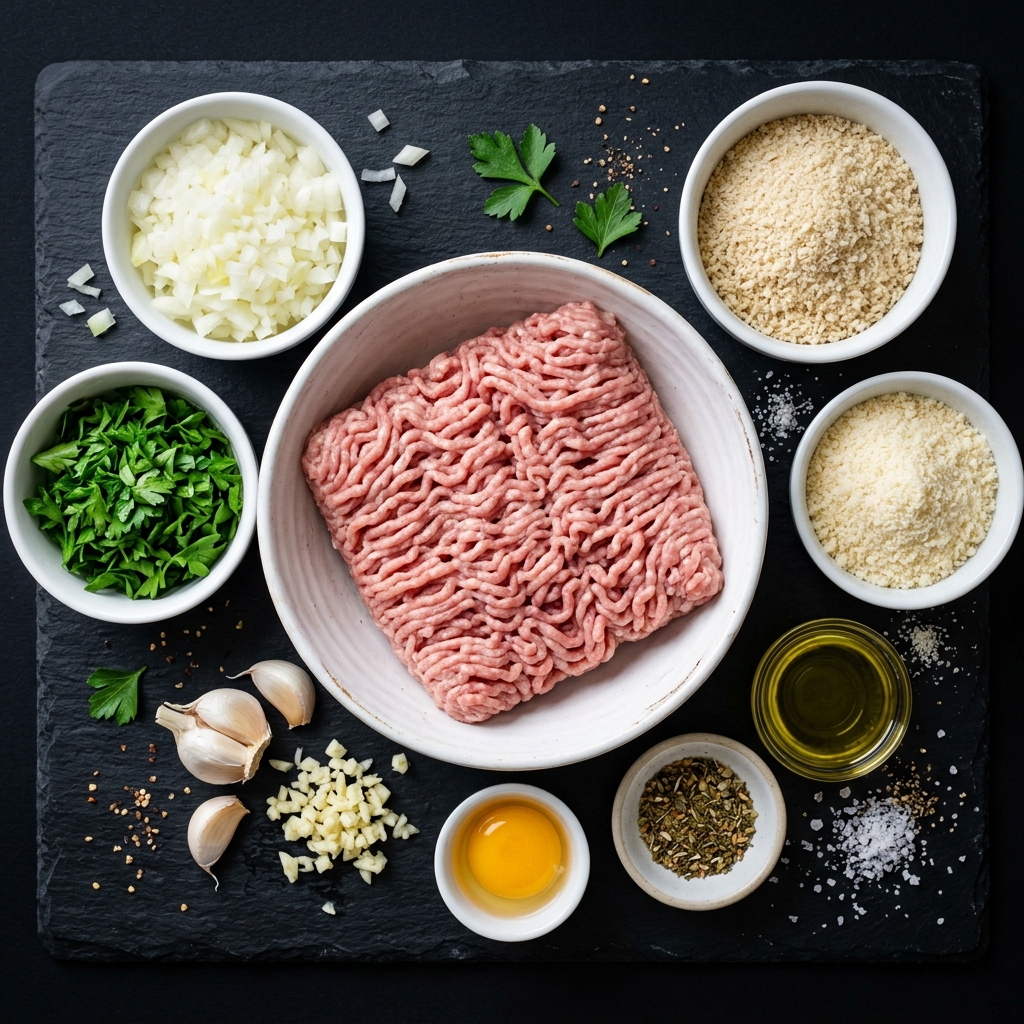
The beauty of turkey meatballs is that the ingredient list is straightforward, but each ingredient has an important job. Using good-quality ingredients and understanding why they are included will help you get consistently delicious results.
Ground Turkey
You will need 1 pound (450 g) ground turkey, preferably one that is not extremely lean. Ground turkey with a moderate amount of fat produces noticeably juicier meatballs than ultra-lean turkey.
If you only have very lean ground turkey, don’t worry. You can still make excellent meatballs, but you will want to be especially careful not to overmix or overcook them.
Breadcrumbs
Use ½ cup breadcrumbs to help hold the meatballs together and create a tender texture. Breadcrumbs absorb some of the flavorful moisture released during cooking, helping prevent the meat from becoming dense.
Regular plain or Italian-seasoned breadcrumbs work well. If you need a gluten-free version, use certified gluten-free breadcrumbs instead.
Egg
One large egg acts as a binder, helping the meatball mixture hold its shape during cooking. It also contributes moisture and richness.
For best results, allow the egg to come close to room temperature before mixing it into the other ingredients.
Parmesan Cheese
Add ¼ cup finely grated Parmesan cheese for a savory, slightly nutty flavor. Parmesan also adds richness that pairs particularly well with the relatively mild flavor of turkey.
Freshly grated Parmesan generally blends more naturally into the mixture than very coarse packaged shreds.
Onion
Use ½ small onion, very finely minced. Onion brings sweetness and moisture to the meatballs.
The key is to chop it finely. Large pieces of onion can make the meatballs difficult to shape and can cause them to break apart while cooking.
Garlic
Add 2 cloves of finely minced garlic for aromatic depth. Garlic gives the meatballs a classic savory character without overpowering the turkey.
Fresh Parsley
Use 2 tablespoons finely chopped fresh parsley. The parsley adds freshness, color, and a mild herbal flavor that helps balance the richness of the Parmesan and meat.
Italian Seasoning
Add 1 teaspoon Italian seasoning for a convenient combination of herbs. If you prefer, you can create your own blend with dried oregano, basil, thyme, and a small amount of rosemary.
Salt and Black Pepper
Use approximately ¾ teaspoon salt and ½ teaspoon freshly ground black pepper, adjusting slightly according to your taste and the saltiness of your Parmesan.
Proper seasoning is particularly important with ground turkey because its flavor is naturally milder than beef.
Olive Oil
A small amount of olive oil is useful when pan-searing the meatballs. It helps encourage even browning and prevents sticking.
If you are baking the meatballs, you can lightly brush or spray them with oil before cooking for a more attractive browned exterior.
Optional Sauce
For serving, prepare your favorite marinara or tomato sauce. A simple tomato sauce works beautifully because its acidity complements the richness of the meatballs while adding moisture and flavor.
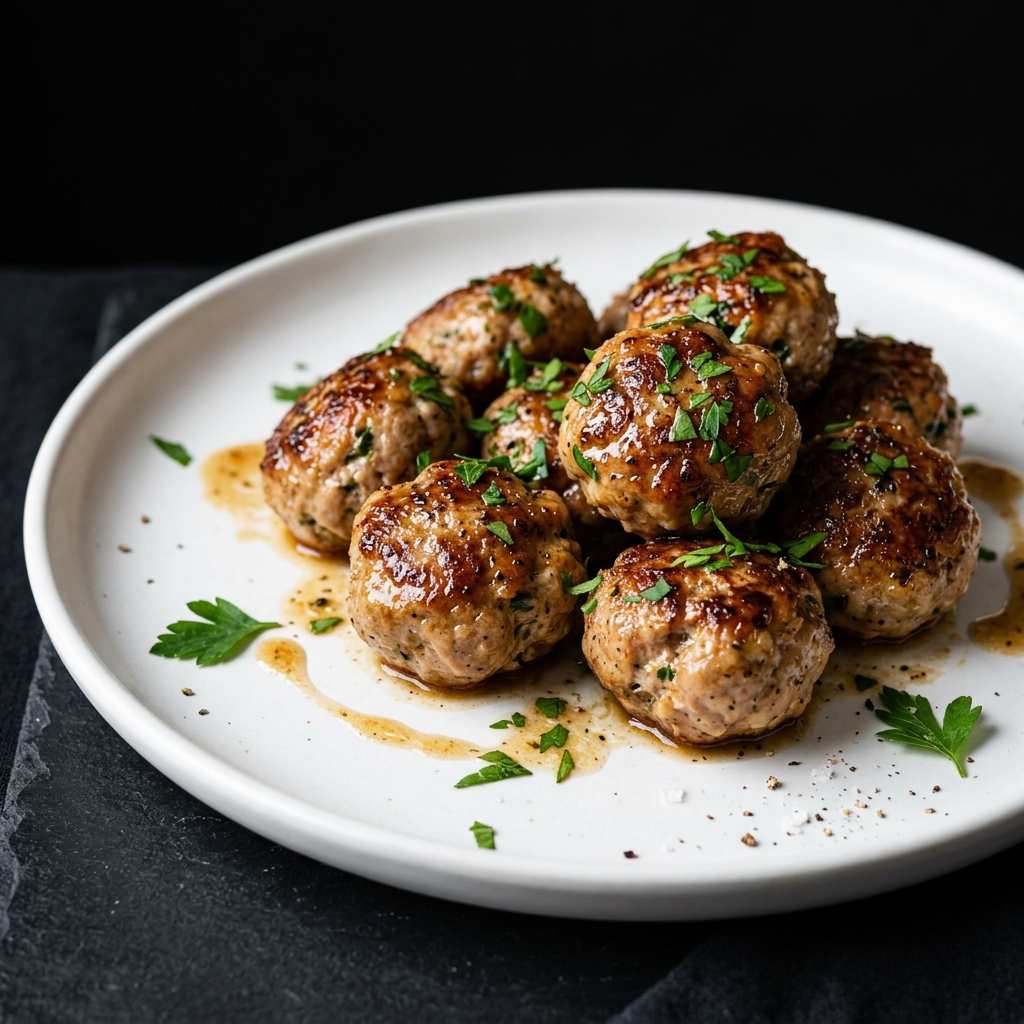
How to Make Turkey Meatballs
Making homemade turkey meatballs is easier than it may seem. The most important thing is to treat the mixture gently. Ground turkey can quickly become dense if it is aggressively mixed, so think of combining the ingredients rather than kneading them.
Step 1: Prepare the Ingredients
Before mixing anything, finely mince the onion and garlic, chop the parsley, and grate the Parmesan.
This small amount of preparation makes the actual mixing process much easier. It also ensures that the ingredients are distributed evenly throughout the turkey.
If your onion is particularly juicy, you can gently squeeze out a little of the excess moisture after chopping. Do not remove all of it, however, because some moisture helps keep the meatballs tender.
Step 2: Combine the Binder Ingredients
In a large mixing bowl, combine the breadcrumbs, egg, Parmesan cheese, minced onion, garlic, parsley, Italian seasoning, salt, and black pepper.
Stir gently until the ingredients are evenly combined.
Allowing the breadcrumbs to mingle with the egg and other moist ingredients for a minute or two helps them hydrate. This creates a softer texture once they are incorporated into the turkey.
Step 3: Add the Ground Turkey
Add the ground turkey to the bowl.
Using clean hands or a fork, gently combine the turkey with the seasoned mixture. Stop mixing as soon as everything is evenly distributed.
This is one of the most important steps in the entire recipe.
Do not overmix the meat.
When ground meat is mixed too aggressively, its proteins begin developing a tighter structure. Instead of soft, tender meatballs, you can end up with a firm and rubbery texture.
Mix just enough to combine the ingredients.
Step 4: Shape the Meatballs
Slightly moisten your hands with water or lightly coat them with olive oil. Scoop out portions of the mixture and gently roll them into balls.
Aim for approximately 1½ inches in diameter. Keeping the meatballs relatively uniform in size is important because it allows them to cook at approximately the same rate.
Try not to compress them too tightly. A gentle rolling motion is enough to create a cohesive meatball.
Place the shaped meatballs on a parchment-lined plate, tray, or baking sheet while you finish the remaining mixture.
Step 5: Let the Meatballs Rest Briefly
Once shaped, allow the meatballs to rest for approximately 5 to 10 minutes while you prepare your skillet or oven.
This short rest gives the ingredients a chance to settle and makes the meatballs slightly easier to handle.
If your kitchen is warm, place them in the refrigerator during this brief period.
Step 6: Brown the Meatballs
For a beautifully browned exterior, heat a large skillet over medium heat and add a small amount of olive oil.
Once the oil is hot, carefully add the meatballs without overcrowding the pan.
Cook them in batches if necessary.
Allow each side to develop a golden-brown crust before turning. You do not need to constantly move them around the pan. Giving the meatballs enough uninterrupted contact with the hot surface is what creates that appetizing caramelized exterior.
Turn them gently with tongs or a spoon so they brown on multiple sides.
Step 7: Finish Cooking
Once the meatballs are nicely browned, reduce the heat slightly and continue cooking until they are completely cooked through.
If you are serving them with tomato sauce, you can transfer the browned meatballs into the sauce and allow them to gently simmer until fully cooked and tender.
For food safety, ground turkey should reach an internal temperature of 165°F (74°C) measured with an instant-read thermometer inserted into the center of a meatball.
Using a thermometer is more reliable than judging doneness by color alone.
Step 8: Rest Before Serving
Once cooked, let the turkey meatballs rest for a few minutes before serving.
This brief rest allows the juices to settle and gives the meatball a more pleasant texture when you cut into it.
Spoon warm sauce over the meatballs, scatter a little fresh parsley and Parmesan over the top, and serve immediately.
The Secret to Juicy Turkey Meatballs
Here is where this recipe becomes more interesting.
Turkey has earned a reputation for becoming dry, but the problem is usually not the turkey itself. The biggest culprits are overmixing, insufficient moisture, and overcooking.
The breadcrumbs and egg work together to create a tender interior, while onion and Parmesan provide additional moisture, flavor, and richness. Meanwhile, gentle handling keeps the meatball from becoming unnecessarily dense.
There is another important detail: browning and cooking are not exactly the same thing. A beautifully browned meatball does not necessarily mean it is fully cooked in the center. That is why a thermometer is so useful. You can develop a rich exterior while still controlling the cooking process carefully enough to preserve moisture.
Why Browning Makes Such a Difference
If you have ever wondered why restaurant-style meatballs often taste more flavorful than simply boiled or steamed meatballs, browning is a major reason.
When the surface of the meatball meets a hot pan, complex browning reactions develop, creating deeper savory flavors and a more appealing aroma. That golden crust also provides textural contrast against the soft interior.
You do not need to brown the meatballs until they are dark. A warm golden-brown exterior is enough.
For the best result, avoid overcrowding the skillet. Too many meatballs at once can lower the temperature of the pan, causing them to release moisture and steam instead of developing a proper crust.
Variations of This Turkey Meatball Recipe
One of the best things about homemade turkey meatballs is how easily you can adapt them.
Baked Turkey Meatballs
For a simpler hands-off method, arrange the shaped meatballs on a lightly greased or parchment-lined baking sheet and bake until cooked through.
This method is particularly useful when preparing a large batch because you can cook many meatballs at once without standing over a skillet.
For additional browning, lightly brush the tops with olive oil before baking.
Turkey Meatballs in Tomato Sauce
For a classic comfort-food version, brown the meatballs first and then gently simmer them in your favorite marinara sauce.
The sauce slowly works its way around the meatballs, adding moisture and rich tomato flavor. This is an excellent choice when serving the meatballs with spaghetti or another pasta.
Spicy Turkey Meatballs
If you enjoy heat, add a pinch of red pepper flakes or a little finely chopped fresh chili to the mixture.
You can also add a small amount of smoked paprika for deeper flavor.
The trick is to increase the heat without overwhelming the delicate flavor of the turkey.
Garlic and Herb Turkey Meatballs
For a more herb-forward variation, increase the fresh parsley and add finely chopped basil or a small amount of fresh oregano.
This version is especially good with a light tomato sauce, roasted vegetables, or a simple green salad.
Gluten-Free Turkey Meatballs
Replace the regular breadcrumbs with certified gluten-free breadcrumbs.
The rest of the ingredients can remain essentially the same, provided your individual packaged ingredients and seasonings are gluten-free.
Lower-Carbohydrate Turkey Meatballs
For a lower-carb version, replace traditional breadcrumbs with an appropriate low-carb alternative such as almond flour.
Keep in mind that substitutions can change the texture, so begin with a modest amount rather than automatically replacing the breadcrumbs in equal volume.
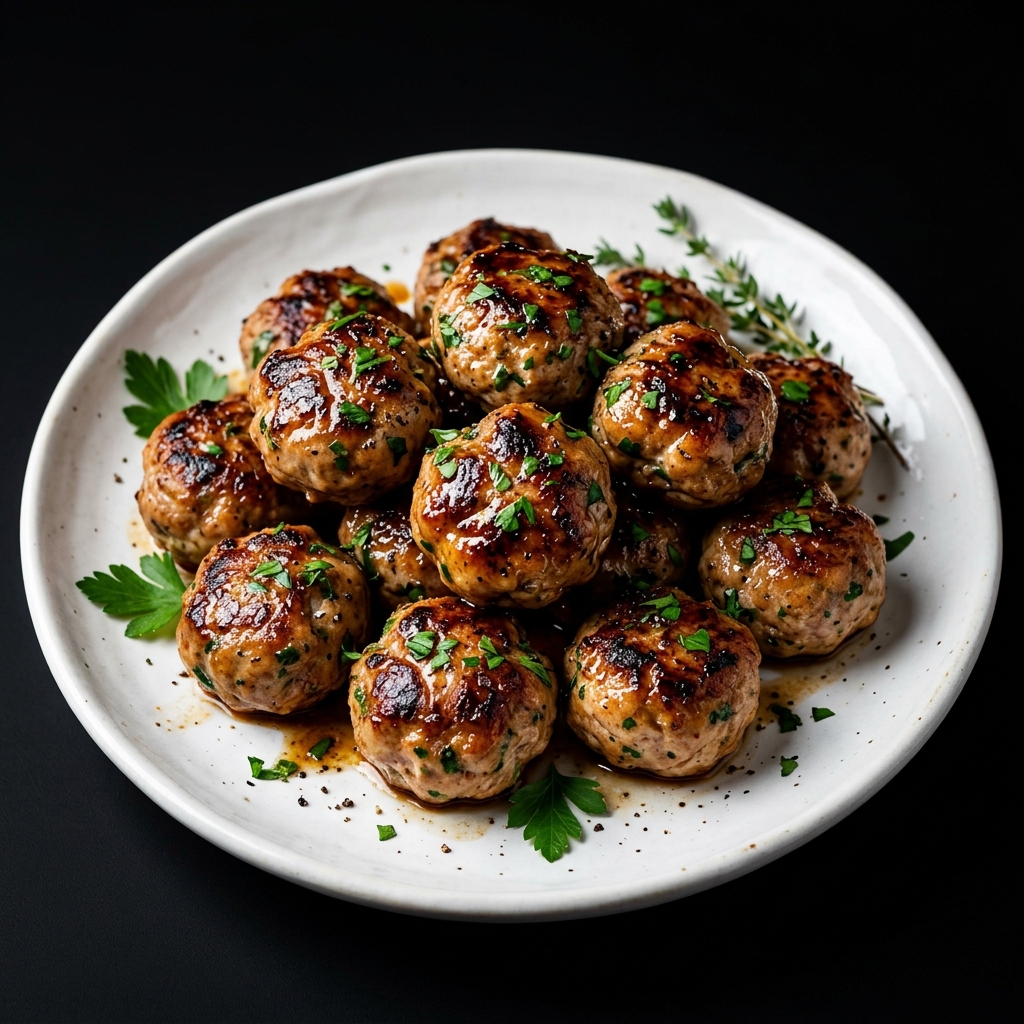
Expert Tips for Better Turkey Meatballs
Keep the Turkey Cold
Cold ground turkey is easier to shape and handle. If the mixture becomes soft or sticky while you work, refrigerate it briefly before continuing.
Do Not Pack the Meatballs Tightly
A loosely formed meatball is generally more tender than one that has been compressed into a dense ball.
Shape them firmly enough to hold together, but avoid squeezing the mixture repeatedly.
Make One Test Meatball
Professional cooks often taste and adjust seasoning before committing an entire batch.
With raw ground turkey, you should not taste the uncooked mixture. Instead, cook a small teaspoon-sized portion in a skillet until fully cooked, then taste it.
This allows you to determine whether the mixture needs more salt, pepper, herbs, garlic, or Parmesan before shaping the entire batch.
Avoid Overcrowding
Whether you are browning the meatballs in a skillet or arranging them for baking, give them enough room for heat to circulate.
Crowding creates steam and makes browning more difficult.
Use an Instant-Read Thermometer
This is one of the easiest ways to avoid dry turkey meatballs.
Rather than continuing to cook them because you are unsure whether they are done, check the center of the largest meatball. Once the internal temperature reaches 165°F (74°C), you can confidently remove them from the heat.
Let Browning Happen Naturally
Do not constantly turn the meatballs during the first few minutes of cooking. Give them time to form a crust before attempting to move them.
If a meatball seems stuck, it may simply need another moment to brown. Once a proper crust forms, it will often release more easily from the pan.
A Chef’s Final Thought Before Serving
The difference between an ordinary turkey meatball and a memorable one is often found in the details: properly seasoned meat, enough moisture, gentle mixing, careful browning, and precise cooking. None of these techniques is difficult, but together they transform a basic package of ground turkey into something that tastes worthy of a special dinner.
And once you master the basic recipe, you have far more than one meal. These turkey meatballs can become the foundation for pasta night, meal prep, sandwiches, grain bowls, appetizers, salads, and comforting family dinners. The same tender meatball mixture can take on completely different personalities depending on the sauce, herbs, sides, and cooking method you choose.
Make-Ahead Options
One of the best features of this Turkey Meatball Recipe is how well it fits into a busy schedule. You can prepare the meatball mixture earlier in the day, shape the meatballs, and keep them covered in the refrigerator until you are ready to cook.
For the best texture, shape the meatballs and refrigerate them for up to 24 hours before cooking. Keeping them chilled also makes them easier to handle and helps them maintain their shape.
You can also cook the entire batch ahead of time. Once the meatballs have cooled, transfer them to an airtight container and refrigerate them. When you are ready to serve, gently reheat them in tomato sauce, in a covered skillet, or in the oven until heated through.
For longer storage, cooked turkey meatballs can be frozen. Arrange completely cooled meatballs in a single layer on a parchment-lined tray and freeze until firm. Transfer them to a freezer-safe container or bag, removing as much excess air as possible. Properly stored, they can be kept frozen for approximately 2 to 3 months for the best quality.
You can reheat frozen cooked meatballs directly in simmering sauce, although allowing them to thaw in the refrigerator first can help them heat more evenly.
What to Serve with Turkey Meatballs
Turkey meatballs are wonderfully versatile, so you can build everything from a classic comfort-food dinner to a lighter weeknight meal around them.
Spaghetti and Marinara
Few combinations are more comforting than tender turkey meatballs served over spaghetti with warm marinara sauce.
Finish the plate with freshly grated Parmesan and chopped parsley for a simple dinner that feels special without requiring complicated preparation.
Garlic Bread
Crisp garlic bread is an excellent companion when the meatballs are served with tomato sauce.
It also serves a practical purpose: there is nothing quite like using a warm piece of garlic bread to scoop up the last bit of sauce from the plate.
Roasted Vegetables
For a lighter meal, pair the meatballs with roasted vegetables such as broccoli, zucchini, bell peppers, carrots, or cauliflower.
The caramelized edges of roasted vegetables complement the savory meatballs particularly well.
Rice or Grain Bowls
Serve turkey meatballs over rice, quinoa, couscous, or another favorite grain with vegetables and sauce.
This is especially convenient for meal prep because the components can be portioned into individual containers.
Mashed Potatoes
For a hearty comfort-food dinner, serve the meatballs with creamy mashed potatoes and a flavorful sauce.
The soft potatoes provide a wonderful contrast to the browned exterior of the meatballs.
Fresh Green Salad
A crisp salad with lettuce, cucumber, tomatoes, red onion, and a light vinaigrette adds freshness to the meal.
The acidity of a vinaigrette can also help balance the richness of the meatballs and Parmesan.
Pasta Salad
Cold or room-temperature pasta salad can turn leftover turkey meatballs into a convenient lunch or picnic-style meal.
Cut larger meatballs in half and combine them with pasta, vegetables, herbs, and a light dressing.
Sandwiches
Turn the meatballs into an easy meatball sandwich by placing them inside toasted bread with warm marinara and melted mozzarella or Parmesan.
This is one of the easiest ways to transform leftovers into an entirely different meal.
How to Store Turkey Meatballs
Proper storage is important because turkey is a perishable protein.
Allow cooked meatballs to cool appropriately before transferring them to an airtight container. Refrigerate them promptly rather than leaving them sitting at room temperature for an extended period.
Store cooked turkey meatballs in the refrigerator for 3 to 4 days.
If you have made a large batch and do not expect to eat it within that time, freezing is the better option.
For freezing, place the cooled meatballs in a freezer-safe container or heavy-duty freezer bag. If stacking them, place parchment paper between layers to prevent them from sticking together.
Label the container with the date so you can easily keep track of how long they have been stored.
How to Reheat Refrigerated Meatballs
For the juiciest result, reheat turkey meatballs gently.
One of the best methods is to place them in a saucepan with marinara or another sauce and warm them over low to medium heat until heated through.
You can also reheat them in a covered skillet with a small splash of sauce or broth.
If using a microwave, place the meatballs in a microwave-safe dish, add a little sauce or moisture, cover loosely, and heat in short intervals. This helps reduce the risk of drying them out.
How to Reheat Frozen Meatballs
Frozen cooked meatballs can be thawed overnight in the refrigerator and then reheated gently.
Alternatively, you can place them directly into simmering sauce and allow them to warm gradually. Avoid aggressive boiling because excessive heat can make the meatballs firmer than necessary.
Always make sure reheated meatballs are thoroughly hot before serving.
Frequently Asked Questions
Can I use very lean ground turkey for this recipe?
Yes, but the meatballs may be slightly less juicy than those made with ground turkey containing a little more fat.
If using very lean turkey, pay particular attention to the moisture provided by the egg, breadcrumbs, and onion. Most importantly, avoid overcooking the meatballs.
An instant-read thermometer is especially helpful because it allows you to stop cooking once the meatballs reach the safe internal temperature rather than leaving them on the heat longer than necessary.
Why are my turkey meatballs dry?
The most common reasons are overcooking, overmixing, or using extremely lean ground turkey without enough moisture.
Mix the ingredients only until combined and avoid compressing the meatballs too tightly when shaping them.
Cooking temperature matters as well. Once the center reaches 165°F (74°C), remove the meatballs from the heat and allow them to rest briefly.
Why are my turkey meatballs falling apart?
There are several possible reasons.
The mixture may not contain enough binder, the onion may contain excessive moisture, or the meatballs may have been handled too aggressively during cooking.
Breadcrumbs and egg help provide structure, while gentle shaping helps the meatballs stay intact.
If the mixture feels unusually wet and difficult to shape, refrigerating it for a short time can make a significant difference.
Also avoid turning the meatballs too early in the skillet. Give the surface enough time to brown and form a crust before attempting to move them.
Should I bake or pan-fry turkey meatballs?
Both methods work well, and the better choice depends on what you value most.
Pan-frying gives the meatballs a particularly attractive browned exterior and deeper roasted flavor. It is excellent when you want restaurant-style browning.
Baking is convenient when preparing a large quantity because you can cook many meatballs at once with less hands-on attention.
For maximum flavor, you can even brown the meatballs briefly in a skillet and then finish them in sauce or the oven.
Can I make turkey meatballs without breadcrumbs?
Yes.
Breadcrumbs are helpful for texture and moisture retention, but they are not the only option. Depending on your dietary needs, you can experiment with certified gluten-free breadcrumbs, almond flour, oats, or another suitable binder.
Remember that different substitutes absorb moisture differently, so the amount may need to be adjusted rather than replaced automatically at a one-to-one ratio.
Are turkey meatballs healthier than beef meatballs?
Turkey meatballs can be a lighter alternative to some beef meatball recipes, particularly when made with lean ground turkey.
However, whether a particular recipe is “healthier” depends on the entire ingredient list, portion size, cooking method, sauce, and what you serve alongside it.
A turkey meatball recipe can still be rich in sodium or calories if it contains large quantities of cheese, oil, or a heavy sauce.
Can I freeze uncooked turkey meatballs?
Yes.
Shape the meatballs and arrange them in a single layer on a parchment-lined tray. Freeze until firm, then transfer them to a freezer-safe container or bag.
Freezing them individually first prevents them from becoming one large frozen mass.
For food safety and best quality, keep them properly frozen and cook them thoroughly when ready to use. When working with frozen raw meat, avoid leaving it at room temperature to thaw.
Can I add vegetables to turkey meatballs?
Absolutely.
Finely grated zucchini, carrots, mushrooms, or very finely minced bell pepper can add moisture, flavor, and additional nutrients.
However, vegetables contain water, so excessive amounts can make the mixture too wet. If adding vegetables, finely grate or mince them and remove some excess moisture when appropriate.
What sauce goes best with turkey meatballs?
Marinara is one of the easiest and most versatile choices, but it is certainly not the only option.
You can serve turkey meatballs with creamy sauces, mushroom gravy, pesto, spicy tomato sauce, garlic-herb sauce, or even a simple pan sauce.
The mild flavor of turkey makes it particularly adaptable to different seasonings and sauces.
Common Mistakes to Avoid
Even a simple meatball recipe can go wrong when a few small details are overlooked.
Overmixing the meat: This creates a dense texture. Combine the ingredients gently and stop as soon as everything is evenly incorporated.
Making different-sized meatballs: Small meatballs can overcook while larger ones remain undercooked. Keep the portions as uniform as possible.
Skipping the seasoning: Ground turkey has a mild flavor and benefits from assertive but balanced seasoning.
Overcrowding the skillet: Too many meatballs can cause steaming instead of browning.
Turning them constantly: Give each side enough time to brown before rotating.
Cooking by appearance alone: Turkey meatballs can look browned before the center is fully cooked. Use an instant-read thermometer to verify doneness.
Leaving leftovers out too long: Refrigerate cooked meatballs promptly and use appropriate storage times.
How to Make This Recipe Even More Flavorful
If you want to take these turkey meatballs from good to exceptional, focus on layering flavor rather than simply adding more seasoning.
Start with aromatic ingredients such as onion and garlic. Add fresh herbs for brightness, Parmesan for savory depth, and enough salt to bring everything together.
Then create a flavorful crust through proper browning.
Finally, finish the meatballs in a sauce that complements rather than overwhelms them.
This layered approach is what makes a relatively simple recipe taste much more complex.
Another useful trick is to finish the dish with fresh ingredients after cooking. A little chopped parsley, freshly grated Parmesan, a drizzle of good olive oil, or a small amount of freshly ground black pepper can make the finished plate taste brighter and more polished.
A Simple Meal-Prep Strategy
If you regularly prepare meals in advance, turkey meatballs are an excellent option.
Prepare a large batch at the beginning of the week and divide the cooked meatballs into individual portions.
Pair each portion with a different combination of sides so you do not feel like you are eating exactly the same meal every day.
For example, one container can include turkey meatballs with roasted vegetables and rice. Another can feature meatballs with pasta and marinara. A third can combine meatballs with a fresh salad and grain.
This makes one batch of meatballs much more versatile and can save considerable time during busy evenings.
The Best Way to Enjoy Your Turkey Meatballs
Ultimately, the perfect turkey meatball is about balance.
You want a beautifully browned exterior without a dry interior. You want plenty of seasoning without overpowering the turkey. You want enough binder to create tenderness and structure without making the meatball taste like breadcrumbs.
Once those elements are balanced, the recipe becomes incredibly flexible.
Serve the meatballs over pasta for a comforting family dinner. Add them to a sandwich for an easy lunch. Pair them with roasted vegetables for a lighter plate. Portion them with rice for meal prep. Or simply serve them with warm marinara, Parmesan, and fresh herbs for a straightforward dinner that lets the meatballs take center stage.
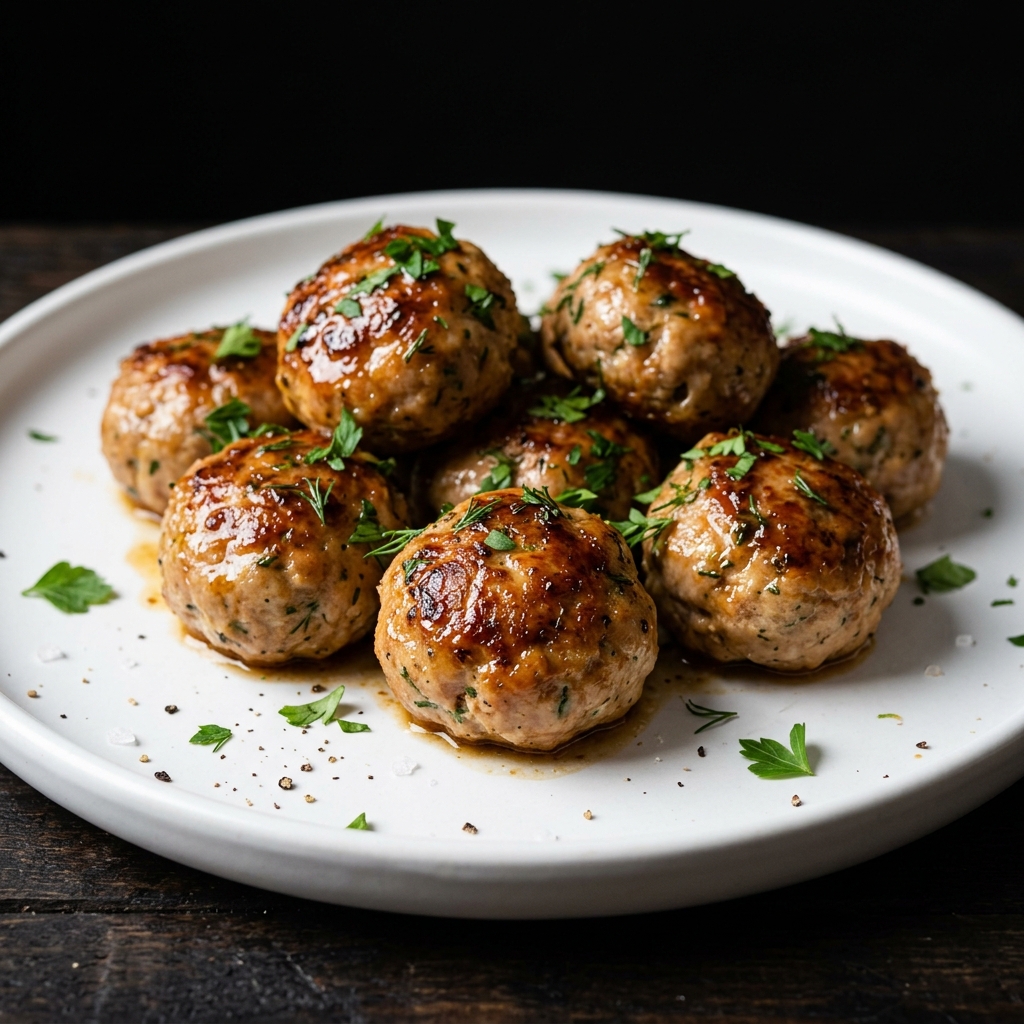
Turkey Meatball Recipe
Ingredients
Equipment
Method
- Prepare the ingredients: Finely mince the onion and garlic, chop the parsley, and finely grate the Parmesan cheese.
- Make the seasoned mixture: In a large bowl, combine the breadcrumbs, egg, Parmesan, onion, garlic, parsley, Italian seasoning, salt, and black pepper. Stir gently until evenly combined.
- Add the turkey: Add the ground turkey and gently mix with clean hands or a fork just until all the ingredients are incorporated. Do not overmix, as this can make the meatballs dense and tough.
- Shape the meatballs: Lightly moisten your hands and form the mixture into approximately 1½-inch meatballs. Try to keep them similar in size so they cook evenly.
- Chill briefly: Place the shaped meatballs on a parchment-lined plate or tray and refrigerate for 5–10 minutes while you prepare the skillet.
- Heat the skillet: Heat a large skillet over medium heat and add the olive oil.
- Brown the meatballs: Carefully place the meatballs into the hot skillet, leaving enough space between them. Cook, turning gently every few minutes, until several sides are beautifully golden brown.
- Finish cooking: Reduce the heat slightly and continue cooking until the centers are completely cooked. If using marinara, add the sauce to the skillet and allow the meatballs to gently simmer until tender and fully cooked.
- Check doneness: Use an instant-read thermometer to check the center of the largest meatball. Ground turkey should reach 165°F (74°C) for food safety.
- Rest and serve: Remove from the heat and let the meatballs rest for a few minutes. Serve with warm marinara, freshly grated Parmesan, and chopped parsley.
Notes
Do not overmix the turkey mixture; gentle handling produces a more tender texture.
Make the meatballs approximately the same size so they cook evenly.
For a gluten-free version, substitute regular breadcrumbs with certified gluten-free breadcrumbs.
For a lower-carb version, use a suitable low-carb breadcrumb alternative such as almond flour, adjusting the quantity as needed.
You can bake the meatballs instead of pan-frying them for a convenient hands-off preparation.
For extra flavor, brown the meatballs before simmering them in marinara sauce.
Cooked turkey meatballs can be refrigerated for 3–4 days or frozen for approximately 2–3 months for best quality.
Always verify that the center reaches 165°F (74°C) before serving.
Serve with spaghetti, roasted vegetables, rice, mashed potatoes, salad, garlic bread, or toasted bread for a complete meal.

Hi, I’m Clara, the creator of Barakala. I love sharing simple, comforting, and delicious recipes that make everyday cooking easier and more enjoyable for home cooks.