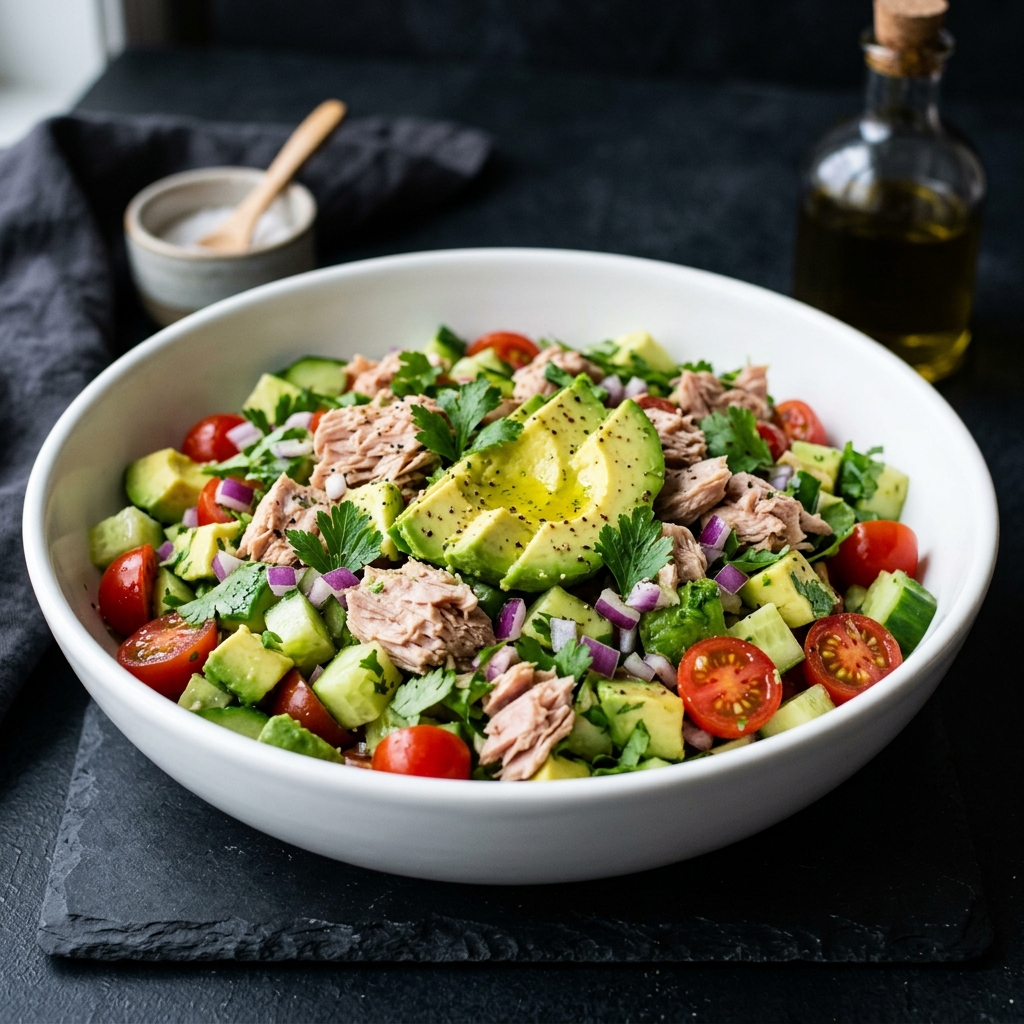

There is something irresistible about a bowl of beautifully prepared shrimp ceviche: tender shrimp, bright lime, juicy tomatoes, crisp onion, fresh cilantro, and a little heat coming together in every refreshing bite. This Shrimp Ceviche Recipe | Barakala Style is colorful, zesty, light, and packed with fresh flavor, making it a wonderful choice for an appetizer, summer lunch, casual gathering, or seafood-inspired meal. The secret is not simply combining ingredients, but balancing acidity, freshness, texture, seasoning, and chill time so that every spoonful tastes vibrant without becoming watery or overpoweringly sour. If you love fresh seafood and bold citrus flavors, this is one recipe worth keeping close.
Ingredients You’ll Need

Shrimp
Use fresh, high-quality shrimp that have been peeled, deveined, and properly cleaned. Medium or large shrimp work particularly well because they remain substantial after cooking and are easy to cut into attractive bite-sized pieces.
If using frozen shrimp, thaw them completely in the refrigerator and drain them well before preparation. Excess water can dilute the lime mixture and make the ceviche watery.
Fresh Lime Juice
Freshly squeezed lime juice is one of the most important ingredients in ceviche. Its bright acidity provides the characteristic citrus flavor and helps transform the texture of the shrimp.
For the best result, squeeze the limes shortly before making the recipe rather than relying on bottled lime juice. Fresh juice generally gives the dish a cleaner, brighter flavor.
Tomatoes
Use ripe tomatoes with good flavor and firm flesh. Roma tomatoes are particularly convenient because they contain less excess moisture, but other ripe varieties can work beautifully.
Dice the tomatoes into small, relatively even pieces. This allows them to distribute throughout the ceviche instead of creating large watery pockets.
Red Onion
Red onion gives ceviche a crisp texture and pleasantly sharp flavor. Slice it very thinly or dice it finely so it blends naturally with the shrimp and other ingredients.
If you find raw red onion too intense, soaking the sliced onion briefly in cold water can mellow its sharpness while preserving its crunch.
Fresh Cilantro
Fresh cilantro adds an unmistakable herbal note that works beautifully with lime and seafood. Use tender leaves and finely chop them shortly before mixing.
Avoid adding large amounts of cilantro stems unless you enjoy their stronger flavor.
Jalapeño or Serrano Pepper
Fresh jalapeño provides moderate heat, while serrano peppers are usually sharper and hotter. Choose according to your preference.
For a milder ceviche, remove the seeds and inner membrane before finely chopping the pepper. For more heat, leave some or all of them intact.
Avocado
Ripe avocado introduces creamy texture and balances the acidity of the lime. Choose an avocado that is ripe but still firm enough to hold its shape when diced.
Because avocado can soften quickly, it is best added toward the end rather than mixing it aggressively into the ceviche.
Salt
Salt may seem like a small detail, but it brings the entire dish together. Add it gradually and taste as you go.
Because the lime, vegetables, and shrimp all have different levels of natural flavor, seasoning should be adjusted rather than added blindly.
Optional Garnishes
Fresh lime wedges, extra cilantro, thinly sliced jalapeño, or a small amount of finely chopped tomato can be used for finishing.
Keep garnishes purposeful. Ceviche should look abundant and colorful without becoming cluttered.
How to Prepare Shrimp Ceviche
Step 1: Prepare the Shrimp
Begin by making sure the shrimp are properly peeled, deveined, and cleaned. Pat them dry with paper towels to remove excess moisture.
Cut larger shrimp into bite-sized pieces. Smaller shrimp can sometimes be left whole or halved depending on their size.
Uniform pieces are helpful because they cook more evenly and make the finished ceviche easier to eat.
Step 2: Cook the Shrimp Properly
For this style of shrimp ceviche, gently cooking the shrimp before combining them with the citrus is a practical and reliable approach.
Bring a pot of water to a gentle boil and cook the shrimp briefly until they become opaque and firm. Avoid overcooking them. Shrimp can go from tender to rubbery surprisingly quickly.
As soon as they are cooked, transfer them to an ice bath to stop the cooking process. Once thoroughly chilled, drain them very well.
This step is particularly useful for home cooks because it gives you much greater control over food safety and shrimp texture than relying entirely on citrus acidity to alter raw shrimp.
Step 3: Prepare the Vegetables
While the shrimp cool, prepare the vegetables.
Dice the tomatoes, finely chop the red onion, mince the jalapeño or serrano, and chop the cilantro. Cut the avocado into small cubes, keeping the pieces relatively uniform.
Try to avoid crushing the vegetables during preparation. Ceviche benefits from distinct textures, and crisp ingredients make the finished dish feel much fresher.
Step 4: Build the Lime Mixture
Place the cooled shrimp in a large nonreactive mixing bowl and add the freshly squeezed lime juice.
Add the tomatoes, red onion, chopped cilantro, and pepper. Season with salt and gently toss everything together.
A nonreactive bowl, such as glass or stainless steel, is preferable when working with acidic ingredients like lime juice. It helps prevent unwanted metallic flavors from developing.
Step 5: Let the Flavors Come Together
Cover the bowl and refrigerate the mixture for a short period so the flavors can mingle.
This resting time is about more than simply chilling the dish. The lime, onion, cilantro, tomato, and pepper gradually begin to complement one another, creating a more cohesive flavor.
Do not assume that leaving ceviche for hours will automatically make it better. Excessive exposure to acid can change the texture of seafood and vegetables, so freshness and timing matter.
Step 6: Add the Avocado
Add the diced avocado near the end and gently fold it into the mixture.
The goal is to distribute the avocado without turning it into a puree. You want recognizable pieces of creamy avocado throughout the bright, acidic shrimp mixture.
Taste the ceviche at this stage and adjust the salt, lime, or pepper if necessary.
Step 7: Serve Fresh and Cold
Transfer the finished ceviche to a clean modern serving bowl and garnish with fresh cilantro and lime wedges.
Serve it cold and relatively soon after preparation. The combination of chilled shrimp, citrus, fresh vegetables, and creamy avocado is at its best when the ingredients still have their distinct textures.
The Small Detail That Can Transform Your Ceviche
One of the biggest mistakes people make with ceviche is treating lime juice as simply another ingredient rather than one of the main structural elements of the dish. Too little lime and the ceviche can taste flat. Too much, and the acidity can overwhelm the shrimp and vegetables.
The goal is balance.
Start with enough lime to coat the shrimp and vegetables thoroughly, then taste after the ingredients have had a chance to mingle. The tomatoes will contribute additional moisture and natural sweetness, while the onion, cilantro, pepper, and salt will change how the acidity is perceived.
There is another detail that makes a surprising difference: temperature. Ceviche should be genuinely chilled, not merely left on the counter until it is cool. Cold temperatures help maintain the fresh, crisp character that makes ceviche so enjoyable.
Recipe Variations to Try
Spicier Shrimp Ceviche
If you enjoy heat, replace jalapeño with serrano peppers or combine the two. You can also add a small amount of finely minced fresh chili.
Add heat gradually. It is much easier to increase the spice level than to rescue a ceviche that has become overwhelmingly hot.
Mild Family-Friendly Ceviche
For a milder version, remove the seeds and membranes from the peppers or leave them out entirely.
You can increase the tomato and avocado slightly to create a softer, more approachable flavor profile while keeping the lime and herbs prominent.
Avocado-Forward Ceviche
If you love creamy textures, add a little more ripe avocado just before serving.
The avocado should complement the shrimp rather than dominate it, so add it gradually and fold it gently.
Extra-Citrusy Ceviche
For a particularly bright version, increase the fresh lime flavor slightly and finish each serving with a fresh lime wedge.
You can also experiment with a small amount of another fresh citrus juice, provided it does not overpower the lime.
Tomato-Rich Ceviche
Adding extra diced tomato creates a juicier and slightly sweeter variation. This is especially appealing when serving the ceviche with crunchy tortilla chips, tostadas, or other crisp accompaniments.
Expert Tips for Better Shrimp Ceviche
Choose quality shrimp. Since shrimp are the main ingredient, their freshness and quality have a major impact on the finished dish.
Do not overcook the shrimp. Properly cooked shrimp should be firm and opaque while remaining tender and juicy.
Use fresh lime juice. Freshly squeezed lime gives the ceviche a much brighter and cleaner flavor than many bottled alternatives.
Keep your vegetables crisp. Chop ingredients relatively close to serving time whenever possible.
Season gradually. Add salt in small amounts and taste between additions.
Control the heat. Different peppers vary considerably in spiciness. Start conservatively and add more if needed.
Add avocado last. This keeps the pieces attractive and prevents them from becoming mashed during mixing.
Keep everything cold. Refrigeration is important for both quality and food safety.
Do not drown the ingredients. Ceviche should be generously coated in lime juice, but it does not need to become a soup.
Taste before serving. The final adjustment of salt, lime, and pepper can make the difference between a good ceviche and an exceptional one.
What to Serve With Shrimp Ceviche
Shrimp ceviche is refreshing enough to enjoy on its own, but the right accompaniment can turn it into a complete appetizer or light meal. Since the ceviche is bright, juicy, and acidic, crunchy and mildly seasoned sides work especially well.
Tortilla Chips
Crispy tortilla chips are one of the easiest and most satisfying ways to serve shrimp ceviche. Their crunchy texture contrasts beautifully with the tender shrimp and juicy vegetables.
Choose lightly salted chips so they do not compete with the fresh lime and seafood flavors.
Tostadas
For a more substantial presentation, spoon the ceviche over crisp tostadas. The crunchy base provides a sturdy contrast to the soft shrimp, avocado, and tomatoes.
You can finish each tostada with a little extra avocado, cilantro, or thinly sliced jalapeño.
Saltine Crackers
Simple crackers are another classic option. Their mild flavor allows the ceviche itself to remain the star.
This is particularly useful when serving ceviche as a casual snack or lunch.
Fresh Avocado
If you love avocado, serve a few extra slices alongside the ceviche. The creamy texture helps soften the sharpness of the lime and adds richness without making the dish feel heavy.
Fresh Lime Wedges
Always consider placing lime wedges on the serving platter. They allow everyone to adjust the citrus flavor according to personal preference while adding a beautiful finishing touch.
A Simple Fresh Salad
For a lighter meal, serve the ceviche alongside a simple green salad. Keep the dressing light so the flavors do not compete with the citrusy seafood.
How to Store Shrimp Ceviche
Shrimp ceviche is best enjoyed fresh, especially once the avocado has been added. Unlike dishes that improve after several days in the refrigerator, ceviche is primarily about freshness, crisp textures, and bright flavors.
Place leftovers in a clean, airtight container and refrigerate them promptly. Keep the ceviche properly chilled and avoid leaving it at room temperature for extended periods.
For the best texture, consume it as soon as practical rather than preparing a large quantity several days ahead.
If you know you will have leftovers, consider keeping the avocado separate and adding it only to the portion you intend to eat. This helps prevent the avocado from becoming overly soft or discolored.
It is also important not to rely on lime juice as a substitute for proper refrigeration. Citrus acidity contributes to the characteristic texture and flavor of ceviche, but it does not make improperly handled seafood safe.
When in doubt about how long a seafood dish has been safely refrigerated, it is better to discard it rather than take a risk.
Can You Make Shrimp Ceviche Ahead of Time?
Yes, but with some limitations.
The shrimp can be prepared and chilled ahead, and the vegetables can be chopped in advance. You can also squeeze the lime juice ahead of time and keep it refrigerated.
For the freshest final result, combine the major ingredients relatively close to serving time. Add avocado near the end and give the ceviche a final taste before presenting it.
This approach gives you the convenience of advance preparation while preserving the crisp vegetables, attractive avocado pieces, and lively citrus flavor that make this recipe special.
Frequently Asked Questions
Can I use frozen shrimp for shrimp ceviche?
Yes. Frozen shrimp can work very well when they are properly thawed, cleaned, and cooked. In fact, frozen shrimp can be a practical option when high-quality fresh shrimp are not readily available.
Thaw them completely in the refrigerator, drain away excess liquid, and pat them dry before proceeding with the recipe.
Does lime juice cook shrimp?
Acidic citrus juice changes the proteins in raw seafood, creating the familiar opaque appearance and firmer texture associated with ceviche. However, this should not be treated as equivalent to cooking seafood with heat for food-safety purposes.
For a more controlled home preparation, gently cook the shrimp first, chill them, and then use the lime to develop the characteristic ceviche flavor.
How long should shrimp sit in lime juice?
There is no single perfect time because shrimp size, preparation method, acidity, and personal texture preference all matter.
If the shrimp have already been cooked, the lime is primarily being used to flavor and marinate the ingredients. A relatively short resting period is generally enough for the flavors to come together.
Avoid leaving the finished ceviche sitting in lime juice for excessively long periods because the seafood can become firmer and the vegetables can lose some of their desirable texture.
Why is my shrimp ceviche watery?
Several things can cause watery ceviche. Tomatoes naturally release liquid, shrimp can retain water after thawing, and excessive lime juice can also thin the mixture.
To prevent this, drain thawed shrimp thoroughly, pat them dry, use firm ripe tomatoes, and avoid adding much more lime juice than necessary.
If your ceviche becomes watery, gently drain a little of the excess liquid rather than adding more ingredients immediately.
Can I make shrimp ceviche without avocado?
Absolutely. Avocado provides creamy texture and richness, but it is not essential.
If you leave it out, you can emphasize the shrimp, tomato, onion, cilantro, pepper, and lime. The resulting ceviche will be lighter and slightly sharper.
Is shrimp ceviche gluten-free?
Yes, the basic ingredients in this recipe are naturally gluten-free. Shrimp, lime, tomatoes, onion, cilantro, peppers, avocado, and salt do not inherently contain gluten.
However, if serving the ceviche with packaged chips, crackers, or tostadas, check their ingredient labels if you need to strictly avoid gluten.
Is shrimp ceviche keto-friendly?
The basic ceviche is generally suitable for a low-carb or keto-style diet because shrimp and the primary vegetables are relatively low in carbohydrates.
The main consideration is what you serve alongside it. Chips, crackers, tostadas, and other starchy accompaniments can significantly increase the carbohydrate content.
For a lower-carb serving, enjoy the ceviche on its own, with avocado, or alongside low-carb vegetables.
Can I use another type of seafood?
Yes. Ceviche can be prepared with various types of seafood, although cooking requirements and food-safety considerations vary.
Firm white fish, scallops, and certain other seafood can work beautifully in ceviche-style preparations. If changing the seafood, make sure you understand the appropriate handling and preparation requirements for that particular ingredient.
Why This Recipe Works
What makes this Shrimp Ceviche Recipe | Barakala Style so appealing is the contrast between its ingredients.
The shrimp provide a tender, savory foundation. Lime cuts through the richness with sharp citrus acidity. Tomatoes bring natural sweetness and juiciness, while red onion introduces crunch and a slightly pungent bite. Cilantro adds herbal freshness, and jalapeño provides just enough heat to keep each bite interesting. Finally, avocado brings everything together with its smooth, creamy texture.
No single ingredient has to do all the work.
That balance is what gives the dish its character. You get freshness, acidity, heat, sweetness, creaminess, crunch, and savory seafood flavor in the same bowl.
It is also a recipe that rewards attention to detail. Fresh lime tastes better than old citrus. Properly chilled shrimp taste better than warm seafood. Carefully diced vegetables create a better texture than roughly chopped pieces. And adding avocado at the right moment keeps the finished dish attractive rather than mushy.
A Chef’s Final Advice
When making ceviche at home, resist the temptation to overcomplicate it. The best version is not necessarily the one with the most ingredients. It is the one where every ingredient tastes fresh and has a clear purpose.
Start with quality shrimp, use freshly squeezed lime, keep your vegetables crisp, season gradually, control the pepper heat, and keep the finished dish cold. Most importantly, taste before serving.
Your lime may be more acidic than expected. Your tomatoes may be sweeter. Your peppers may be hotter. Your shrimp may need a little more seasoning. Ceviche is a dish where small adjustments can make a big difference.
Serve it beautifully, add a few fresh lime wedges and cilantro leaves, and bring it to the table while it is cold and vibrant. The combination of color, aroma, texture, and fresh citrus flavor makes this recipe particularly well suited to entertaining.
Whether you serve it with crisp tortilla chips, spoon it onto tostadas, or enjoy it straight from a chilled bowl, this Shrimp Ceviche Recipe | Barakala Style is designed to be fresh, colorful, flavorful, and memorable.
Once you get the balance right, you may find yourself making it whenever you want something that feels impressive without requiring hours in the kitchen.

Shrimp Ceviche Recipe | Barakala Style
Ingredients
Equipment
Method
- Peel and devein the shrimp if necessary, then rinse briefly and pat thoroughly dry. Cut medium or large shrimp into bite-sized pieces.
- Bring a pot of water to a gentle boil. Add the shrimp and cook briefly, just until they become opaque and firm, usually about 2–3 minutes depending on their size.
- Immediately transfer the shrimp to an ice bath to stop the cooking process. Drain very well and pat dry.
- While the shrimp cool, finely dice the tomatoes and red onion. Chop the cilantro and mince the jalapeño or serrano pepper. Dice the avocado, keeping the pieces relatively firm and uniform.
- Place the chilled shrimp in a large nonreactive mixing bowl. Pour in the freshly squeezed lime juice and gently toss to coat.
- Add the tomatoes, red onion, cilantro, and minced pepper. Sprinkle with salt and gently mix until everything is evenly distributed.
- Cover and refrigerate for approximately 20–30 minutes. This gives the lime and fresh ingredients time to mingle while keeping the ceviche cold and refreshing.
- Gently fold in the diced avocado just before serving. Be careful not to overmix so the avocado maintains its shape and creamy texture.
- Taste and adjust the salt, lime juice, or pepper according to preference. Transfer to a serving bowl and garnish with fresh cilantro and lime wedges. Serve cold with tortilla chips, tostadas, crackers, or your favorite low-carb accompaniment.
Notes
Do not overcook the shrimp: Cook only until opaque and firm to prevent a rubbery texture.
Keep the shrimp cold: Chill the cooked shrimp immediately and refrigerate the finished ceviche.
Control the heat: Remove the seeds and membranes from the pepper for a milder ceviche.
Add avocado last: This helps prevent it from becoming mushy or discolored.
Best served fresh: Ceviche has its best texture and flavor shortly after preparation.
For gluten-free serving: The ceviche itself is naturally gluten-free, but check packaged chips, crackers, and tostadas before serving.
For keto: Serve without traditional tortilla chips or tostadas, or pair with low-carb vegetables and extra avocado.

Hi, I’m Clara, the creator of Barakala. I love sharing simple, comforting, and delicious recipes that make everyday cooking easier and more enjoyable for home cooks.