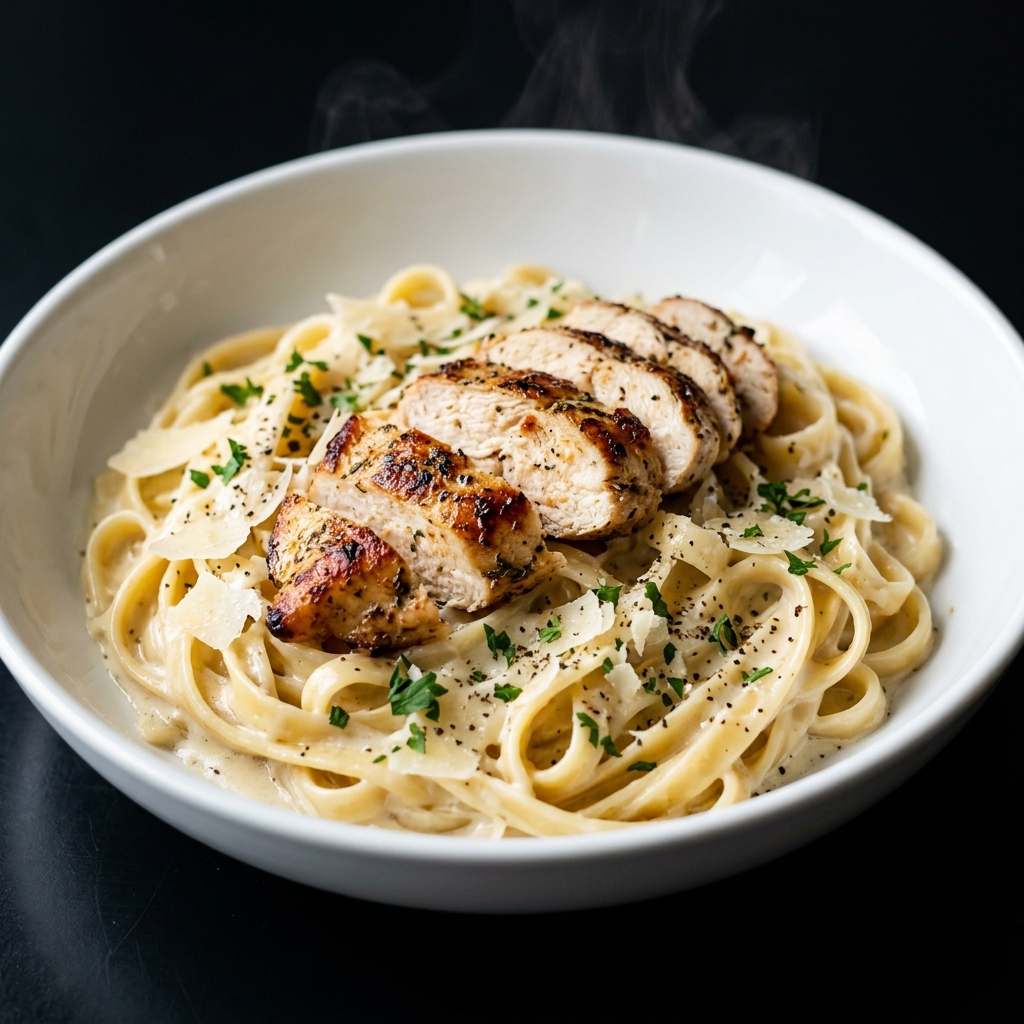
Few comfort foods can compete with a bowl of rich, creamy Chicken Alfredo Pasta. Tender golden-brown chicken, silky Alfredo sauce, and perfectly cooked fettuccine come together in a dish that feels luxurious enough for a special dinner but is simple enough for a busy weeknight. The secret is not complicated ingredients—it is learning how to build flavor at each stage and, most importantly, how to create a smooth Alfredo sauce that clings beautifully to every strand of pasta. Once you master a few simple techniques, this homemade Chicken Alfredo Pasta can easily become one of those reliable recipes you return to whenever you want something hearty, satisfying, and irresistibly creamy.
Ingredients for Chicken Alfredo Pasta
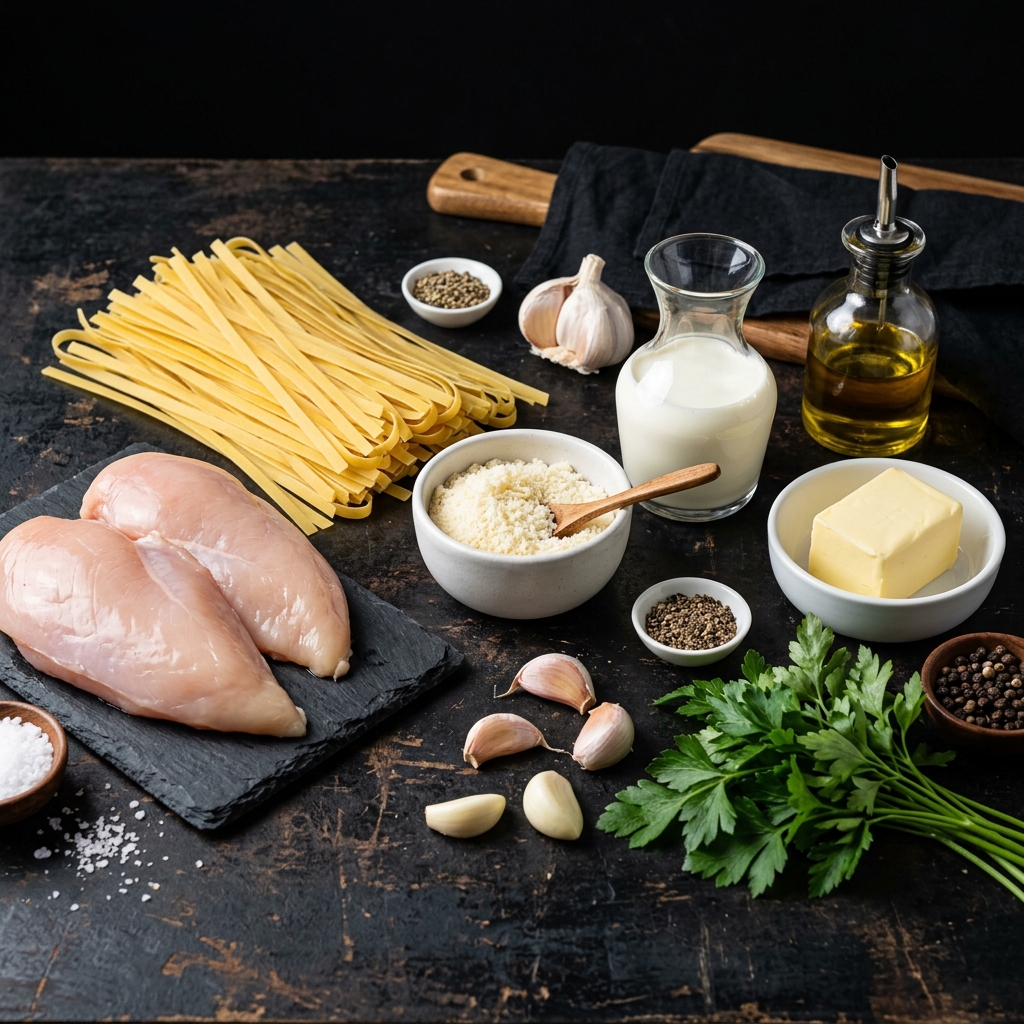
For the Chicken
- 2 large boneless, skinless chicken breasts – Chicken breast works particularly well because it cooks quickly and provides a lean, tender contrast to the rich Alfredo sauce. If the breasts are very thick, slice them horizontally or gently pound them to an even thickness so they cook uniformly.
- 1 tablespoon olive oil – Helps the chicken brown properly and prevents it from sticking to the pan.
- 1/2 teaspoon salt – Enhances the natural flavor of the chicken.
- 1/2 teaspoon black pepper – Adds mild heat and seasoning.
- 1/2 teaspoon garlic powder – Gives the chicken an extra layer of savory flavor.
- 1/2 teaspoon Italian seasoning – Adds a subtle blend of herbs without overpowering the Alfredo sauce.
For the Pasta
- 12 ounces fettuccine – Traditional fettuccine is ideal because its broad, flat shape gives the creamy sauce plenty of surface area to cling to. Linguine or another long pasta can also work.
- Salt for the pasta water – Properly salted water seasons the pasta from within rather than leaving it bland.
- About 1 cup reserved pasta water – You may not need all of it, but do not skip this step. Starchy pasta water is one of the easiest ways to loosen the sauce while helping it remain creamy and cohesive.
For the Alfredo Sauce
- 4 tablespoons unsalted butter – Butter forms the rich foundation of the sauce. Unsalted butter gives you better control over the final seasoning.
- 3 to 4 cloves garlic, finely minced – Fresh garlic adds savory depth and makes the sauce much more aromatic.
- 1 1/2 cups heavy cream – Creates the luxurious body associated with classic creamy Alfredo sauce.
- 1 cup freshly grated Parmesan cheese – Freshly grated Parmesan melts much more smoothly than many pre-shredded varieties. It also contributes the salty, nutty flavor that makes Alfredo sauce so distinctive.
- 1/4 teaspoon black pepper – Adds balance to the creamy sauce.
- A pinch of salt, if needed – Parmesan is naturally salty, so taste before adding additional salt.
- 2 tablespoons chopped fresh parsley – Optional, but highly recommended for freshness, color, and presentation.
How to Make Chicken Alfredo Pasta
Step 1: Prepare the Chicken
Begin by patting the chicken breasts dry with paper towels. This small step makes a noticeable difference because excess moisture can prevent the chicken from developing the beautiful golden-brown exterior you want.
Season both sides evenly with salt, black pepper, garlic powder, and Italian seasoning. Let the seasoned chicken sit for a few minutes while you prepare the pan.
Heat the olive oil in a large skillet over medium-high heat. When the oil is hot but not smoking, carefully add the chicken.
Cook the chicken for approximately 5 to 7 minutes per side, depending on its thickness, until the exterior is deeply golden and the center is fully cooked. Avoid repeatedly moving the chicken around the pan. Letting it remain undisturbed for a few minutes encourages better browning.
Once cooked, transfer the chicken to a clean plate and allow it to rest for about 5 minutes. Resting gives the juices time to redistribute, helping the chicken remain moist when sliced.
Step 2: Cook the Fettuccine
While the chicken is cooking, bring a large pot of water to a vigorous boil.
Generously salt the water, then add the fettuccine. Cook according to the package directions until the pasta is al dente, meaning tender but still slightly firm when bitten.
Before draining, carefully reserve about 1 cup of the pasta cooking water.
This is an important professional kitchen trick. Pasta water contains starch released from the noodles during cooking. When added gradually to a sauce, that starch helps emulsify the butter, cream, cheese, and other ingredients, creating a smoother sauce that coats the pasta instead of simply pooling at the bottom of the plate.
Drain the pasta, but do not rinse it. The natural starch remaining on the noodles helps the Alfredo sauce adhere.
Step 3: Build the Alfredo Sauce
Place the same skillet used for the chicken over medium-low heat. If there are flavorful browned bits left behind from cooking the chicken, leave them in the pan. Those little caramelized pieces add extra depth to the finished sauce.
Add the butter and allow it to melt gently.
Add the minced garlic and cook for approximately 30 seconds to 1 minute, stirring constantly. The garlic should become fragrant but should not turn dark brown. Burnt garlic can quickly make a creamy sauce taste bitter.
Pour in the heavy cream and stir gently. Allow the cream to warm and simmer softly for several minutes.
Do not boil the cream aggressively. A gentle simmer is enough to slightly reduce the liquid and concentrate its flavor. High heat can make dairy-based sauces more difficult to control.
Step 4: Add the Parmesan
Reduce the heat to low.
Gradually add the freshly grated Parmesan cheese, stirring continuously as it melts into the cream. Adding the cheese slowly rather than dumping it all in at once helps create a smoother sauce.
Continue stirring until the Parmesan is melted and the sauce looks glossy and creamy.
Taste the sauce. Add a small amount of salt only if necessary, remembering that Parmesan already contributes considerable saltiness. Add the black pepper and stir.
At this stage, the sauce should be creamy enough to coat the back of a spoon. If it appears too thick, add a small splash of reserved pasta water and stir. Continue adding pasta water a tablespoon or two at a time until you reach the consistency you want.
Step 5: Combine the Pasta and Sauce
Add the drained fettuccine directly to the skillet containing the Alfredo sauce.
Using tongs, gently toss the pasta through the sauce. Lift and turn the noodles several times so that the sauce coats them evenly.
If the pasta seems dry, add a little more reserved pasta water. Do this gradually. It is much easier to loosen a thick sauce than to rescue one that has become excessively thin.
Continue tossing for about 1 to 2 minutes. This final mixing stage is more important than many home cooks realize. It allows the pasta, sauce, cheese, and starch to come together rather than simply placing cooked noodles underneath a separate sauce.
Step 6: Slice and Add the Chicken
Slice the rested chicken against the grain into attractive strips.
Arrange the chicken over the creamy pasta or gently fold some of it through the noodles.
Finish with freshly chopped parsley, a little extra Parmesan, and a light sprinkle of black pepper if desired.
Serve immediately while the Alfredo sauce is at its creamiest.
The Secret to Restaurant-Style Alfredo Sauce
The difference between an average Alfredo pasta and an exceptional one often comes down to temperature and timing. Alfredo sauce does not need aggressive heat to become creamy. In fact, high heat can work against you. Once the Parmesan is added, gentle heat is your friend.
Freshly grated Parmesan is another major difference-maker. Pre-shredded cheese may contain anti-caking ingredients that can interfere with smooth melting. Grating Parmesan yourself takes only a minute or two and gives you a noticeably better sauce texture.
There is also a reason professional cooks save pasta water. That cloudy cooking liquid is not waste—it is a useful ingredient. A small amount can help bring the sauce together, making it glossy and cohesive while allowing you to control the thickness without adding more cream.
What Makes This Chicken Alfredo Pasta So Creamy?
The creaminess comes from more than simply adding heavy cream. Butter provides richness, Parmesan provides body and flavor, while the starch from the pasta water helps bring everything together. When these ingredients are combined at the right temperature and tossed with the pasta, they create a sauce that clings naturally to the noodles.
Another important detail is serving the dish promptly. Alfredo sauce naturally thickens as it cools. A sauce that looks perfectly silky in the skillet can become considerably thicker after sitting for several minutes. If that happens, a small splash of warm pasta water can often bring it back to life.
Recipe Variations
Garlic Herb Chicken Alfredo
For a more aromatic version, increase the fresh garlic slightly and add a small amount of fresh thyme or parsley. Fresh herbs should be used toward the end so their flavor remains bright.
Broccoli Chicken Alfredo
Add steamed broccoli florets to the finished pasta for extra color, texture, and vegetables. Broccoli pairs particularly well with creamy Parmesan sauce and makes the meal feel more complete.
Mushroom Chicken Alfredo
Sauté sliced mushrooms in the skillet before preparing the sauce. Allow them to brown rather than simply steam. Their earthy flavor works beautifully with chicken, garlic, and Parmesan.
Spinach Chicken Alfredo
Stir a few handfuls of fresh baby spinach into the warm Alfredo sauce just before adding the pasta. The residual heat will wilt the spinach without requiring a separate cooking step.
Spicy Chicken Alfredo
For a gentle kick, add crushed red pepper flakes to the sauce. Start with a small amount and increase gradually according to your preference.
Shrimp and Chicken Alfredo
For a more indulgent combination, add sautéed shrimp alongside the chicken. Cook the shrimp separately until just opaque, then add them when assembling the final dish to prevent overcooking.
Expert Tips for the Best Chicken Alfredo Pasta
Grate the Parmesan yourself. Freshly grated cheese generally melts more smoothly and gives the sauce a better texture.
Do not overcook the chicken. Chicken breast can become dry when cooked too long. Use an instant-read thermometer if available and cook until the thickest part reaches a safe internal temperature of 165°F (74°C).
Keep the sauce at a gentle temperature. Alfredo sauce benefits from patience. Once the cheese is added, low heat helps protect its smooth texture.
Salt the pasta water. This seasons the noodles from the inside and prevents the finished dish from tasting flat.
Reserve more pasta water than you think you need. You may only use a few tablespoons, but having it available gives you much more control over the sauce.
Do not rinse the pasta. The starch on the noodles helps the sauce cling to them.
Taste before adding salt. Parmesan can be quite salty, so seasoning should be adjusted only after the cheese has been incorporated.
Let the chicken rest. Cutting immediately into very hot chicken can cause more juices to escape. A short resting period helps keep the slices tender and juicy.
Use a large skillet. Giving the pasta enough room to move makes tossing easier and helps distribute the sauce evenly.
Serve immediately. Creamy Alfredo pasta is at its best when freshly tossed and hot.
A Little Secret for an Even Better Finish
If you want your homemade Chicken Alfredo Pasta to look as impressive as it tastes, think about the final presentation before you serve it. Instead of simply spooning the pasta onto a plate, use tongs to lift and gently twist a portion into a neat mound. Place the sliced chicken over the top, then finish with a little freshly grated Parmesan and chopped parsley.
The contrast between the creamy white sauce, golden chicken, green parsley, and black pepper makes the dish instantly more appetizing. A simple presentation can turn an everyday pasta dinner into something that looks worthy of a restaurant table without requiring complicated garnishes or expensive ingredients.
Make-Ahead Options
Chicken Alfredo Pasta is best served immediately, but you can prepare several components ahead of time to make dinner much easier.
The chicken can be seasoned and cooked up to 1 day in advance. Allow it to cool completely, refrigerate it in an airtight container, and slice it shortly before serving. When reheating, add the chicken toward the end so it does not become dry.
You can also grate the Parmesan, mince the garlic, chop the parsley, and measure the remaining ingredients ahead of time. Keeping these ingredients prepared means the actual cooking process becomes remarkably quick.
If you need to prepare the entire dish ahead, slightly undercook the pasta and keep the sauce a little looser than you normally would. Refrigerate the pasta and sauce separately whenever possible. Reheat the sauce gently and loosen it with a splash of warm milk, cream, or reserved pasta water before tossing it with the pasta.
Avoid making Alfredo pasta several hours ahead and leaving it at room temperature. Dairy-based sauces and cooked chicken should be refrigerated promptly for food safety.
What to Serve With Chicken Alfredo Pasta
Chicken Alfredo Pasta is rich and satisfying on its own, but serving it with something fresh or lightly crisp creates a more balanced meal.
Garlic Bread
Warm garlic bread is one of the most natural companions for Alfredo pasta. The crisp edges and buttery garlic flavor work beautifully with the creamy sauce, and the bread is perfect for scooping up any sauce left on the plate.
Green Salad
A simple green salad provides freshness and acidity that can balance the richness of the Alfredo. Try crisp lettuce, cucumber, tomatoes, and a light lemon or vinaigrette dressing.
Roasted Broccoli
Roasted broccoli adds color and a slightly crisp texture. Its lightly caramelized edges also complement the creamy Parmesan sauce.
Sautéed Green Beans
Fresh green beans provide a pleasant contrast to the soft pasta. Keep them lightly seasoned so they do not compete with the Alfredo sauce.
Roasted Asparagus
Asparagus is another excellent choice, particularly for a dinner that needs a little more freshness. Roasting brings out its natural sweetness while giving it lightly crisp edges.
Bruschetta
Fresh tomatoes, basil, and a little olive oil provide a bright contrast to the richness of the pasta. The acidity of the tomatoes helps keep the overall meal from feeling too heavy.
How to Store Chicken Alfredo Pasta
If you have leftovers, allow the pasta to cool slightly before transferring it to an airtight container. Refrigerate within a reasonable time rather than leaving the dish sitting out for an extended period.
Properly refrigerated Chicken Alfredo Pasta is generally best enjoyed within 3 to 4 days.
The most important thing to understand about storing Alfredo pasta is that the sauce will naturally become thicker and less silky when chilled. This does not mean the recipe has gone bad. The texture simply changes as the butter, cheese, and cream cool.
How to Reheat Chicken Alfredo Pasta
The stovetop is usually the best method for restoring the creamy texture.
Place the leftovers in a skillet over low to medium-low heat. Add a small splash of milk, cream, or water and gently stir as the pasta warms.
Do not use extremely high heat. Rapid heating can cause the sauce to separate, leaving you with oily butter and clumps of cheese instead of a smooth Alfredo sauce.
If using a microwave, place the pasta in a microwave-safe container and add a small splash of milk or cream. Heat in short intervals, stirring between each interval. This allows the pasta to warm more evenly and reduces the chance of overheating the sauce.
The goal is not simply to make the leftovers hot. The goal is to gradually bring the sauce back to a creamy consistency.
Can You Freeze Chicken Alfredo Pasta?
You can freeze Chicken Alfredo Pasta, but it is not the preferred storage method.
Cream-based sauces can sometimes separate after freezing and thawing, while pasta can lose some of its pleasant texture. If you need to freeze it, expect the reheated dish to be somewhat different from freshly made Alfredo.
For better results, freeze the cooked chicken separately and prepare the Alfredo sauce and pasta fresh when possible. This gives you much better control over the final texture.
If freezing the completed dish is necessary, place it in a freezer-safe airtight container and use it within a reasonable period for best quality. Thaw it in the refrigerator rather than leaving it at room temperature, then reheat it gently with a splash of milk or cream.
Common Mistakes to Avoid
Even a simple Alfredo recipe can go wrong if a few small details are overlooked.
Using Too Much Heat
One of the most common mistakes is cooking the sauce aggressively. Alfredo is a delicate dairy-based sauce, so excessive heat can cause the fats and cheese to separate.
Keep the temperature gentle, especially after adding Parmesan.
Adding Cold Cheese in One Large Amount
Dumping a large pile of cold Parmesan into very hot cream can encourage clumping. Add freshly grated cheese gradually while stirring.
Using Pre-Cooked Chicken
Pre-cooked chicken may save time, but it often lacks the flavorful browned exterior that makes this recipe special. Freshly seared chicken develops savory caramelized flavors that become part of the overall dish.
Overcooking the Pasta
Soft, mushy pasta cannot provide the same texture or structure. Cook the fettuccine until al dente and allow the final tossing process to finish the cooking.
Making the Sauce Too Thick
A very thick Alfredo may initially look impressive, but it can become heavy and pasty once combined with the pasta.
Remember that the sauce will continue to thicken as it cools. A slightly loose sauce in the skillet is often exactly what you want.
Forgetting the Pasta Water
This is an easy ingredient to overlook, but it can be extremely useful. Starchy pasta water gives you a simple way to adjust consistency while helping the sauce adhere to the noodles.
How to Tell When Your Alfredo Sauce Is Perfect
A properly prepared Alfredo sauce should look smooth, glossy, and creamy. When you lift a strand of fettuccine from the skillet, the sauce should coat the noodles rather than slide completely off.
The sauce should be thick enough to cling but fluid enough to move naturally.
If the sauce looks too thick, add pasta water gradually.
If it looks too thin, allow it to gently simmer for a little longer before adding more cheese. Avoid solving every problem by adding more Parmesan because excessive cheese can make the sauce heavy and overly salty.
Taste is equally important. You should be able to identify the buttery richness, savory Parmesan, garlic, mild black pepper, and natural flavor of the chicken without one ingredient completely overwhelming the others.
How to Make the Chicken Extra Juicy
Chicken breast has a reputation for becoming dry, but the problem is usually overcooking rather than the cut itself.
Start with chicken pieces of relatively even thickness. If one end is significantly thicker than the other, the thin section can become dry before the thick section is fully cooked.
Patting the chicken dry before seasoning also encourages better browning. Once it enters a properly heated skillet, resist the temptation to constantly flip or move it.
After cooking, give the chicken a few minutes to rest before slicing.
Finally, slice it against the grain. This shortens the muscle fibers and makes each bite feel more tender.
Can You Use Other Types of Pasta?
Absolutely.
Fettuccine is the classic choice because its wide, flat shape carries creamy sauce exceptionally well, but you are not limited to it.
Linguine, tagliatelle, spaghetti, penne, rigatoni, and even farfalle can work. Shorter shapes are particularly useful when you want every bite to contain a combination of pasta, sauce, and chicken.
If using a different pasta shape, pay attention to its cooking time and reserve pasta water before draining.
Can You Make Alfredo Without Heavy Cream?
Yes, although the result will be different.
Heavy cream provides the luxurious richness and body associated with this particular version of Alfredo. You can experiment with milk or lighter dairy products, but the sauce may be thinner and less rich.
If you are trying to create a lighter version, focus on portion size and balance the meal with vegetables rather than simply replacing every rich ingredient. A modest portion of creamy pasta alongside a large serving of roasted vegetables can still make a satisfying dinner.
Frequently Asked Questions
What is the best cheese for Chicken Alfredo Pasta?
Freshly grated Parmesan is an excellent choice. It provides the characteristic nutty, savory flavor and melts into the cream beautifully when added gradually over gentle heat.
For an even more pronounced cheese flavor, some cooks combine Parmesan with a small amount of finely grated Romano. Keep in mind that Romano can be saltier, so taste before adding additional salt.
Why is my Alfredo sauce not creamy?
Several things can cause this. Excessive heat, poor-quality or pre-shredded cheese, adding cheese too quickly, or failing to combine the sauce properly with the pasta can all affect the texture.
Start with moderate heat, use freshly grated Parmesan, and gradually incorporate the cheese while stirring. A little reserved pasta water can also help bring the sauce together.
How do I keep Alfredo sauce from becoming too thick?
Do not reduce the sauce excessively before adding the pasta. Keep some reserved pasta water available and add it gradually while tossing the noodles.
Also remember that Alfredo thickens as it cools. The ideal sauce may appear slightly looser while it is still in the skillet.
Can I use chicken thighs instead of chicken breast?
Yes. Boneless, skinless chicken thighs are an excellent alternative and tend to remain juicy because they contain more fat than chicken breast.
Season and cook them until fully done, then allow them to rest before slicing. The slightly richer flavor of chicken thighs works particularly well with creamy Alfredo sauce.
Can I add vegetables to Chicken Alfredo Pasta?
Definitely. Broccoli, spinach, mushrooms, asparagus, peas, and roasted bell peppers can all work well.
For the best result, avoid adding so many vegetables that they overwhelm the pasta and sauce. Choose one or two and prepare them separately or add them at the appropriate stage so they retain some texture.
Can I make this recipe gluten-free?
Yes. The traditional recipe is not gluten-free because regular fettuccine is made from wheat. However, you can substitute certified gluten-free pasta.
Always check the labels of packaged ingredients if you need to avoid gluten strictly, particularly seasoning blends and processed cheeses.
Is Chicken Alfredo Pasta keto-friendly?
Traditional Chicken Alfredo Pasta is not keto-friendly because regular pasta contains a substantial amount of carbohydrates.
A keto version would require replacing the traditional pasta with a low-carbohydrate alternative such as zucchini noodles, shirataki noodles, or another suitable keto pasta substitute.
Can I make Chicken Alfredo Pasta vegetarian?
Yes, but you would need to omit the chicken and replace it with vegetables or another vegetarian protein source.
Mushrooms, broccoli, spinach, or roasted vegetables can make a satisfying meat-free Alfredo. The traditional sauce itself contains dairy, so the resulting dish would be vegetarian but not vegan.
Why does my Parmesan turn into lumps?
Parmesan can clump when it is added too quickly to a very hot liquid. The solution is to lower the heat and gradually incorporate finely grated cheese while stirring continuously.
Freshly grated Parmesan also tends to perform better than many pre-shredded varieties.
How can I make leftover Alfredo creamy again?
Reheat the pasta gently over low heat and add a small splash of milk, cream, or water. Stir continuously until the sauce becomes smooth again.
Avoid blasting the leftovers with high heat because this can cause the butter and cheese to separate.

Chicken Alfredo Pasta
Ingredients
Equipment
Method
- Prepare the chicken: Pat the chicken breasts dry and season both sides with salt, black pepper, garlic powder, and Italian seasoning.
- Cook the chicken: Heat olive oil in a large skillet over medium-high heat. Add the chicken and cook for about 5–7 minutes per side, depending on thickness, until golden brown and fully cooked. The thickest part should reach 165°F (74°C).
- Rest the chicken: Transfer the chicken to a clean plate and let it rest for about 5 minutes before slicing.
- Cook the pasta: Bring a large pot of generously salted water to a boil. Cook the fettuccine according to the package directions until al dente. Before draining, reserve about 1 cup of the pasta water. Drain the pasta without rinsing.
- Start the Alfredo sauce: Reduce the skillet to medium-low heat. Add the butter and let it melt. Add the minced garlic and cook for 30 seconds to 1 minute, until fragrant but not browned.
- Add the cream: Pour in the heavy cream and gently simmer for several minutes. Avoid aggressively boiling the cream.
- Add the Parmesan: Reduce the heat to low. Gradually stir in the freshly grated Parmesan until melted and smooth. Season with black pepper and taste before adding additional salt.
- Adjust the consistency: Add reserved pasta water a tablespoon or two at a time if the sauce is too thick. The finished sauce should be creamy and glossy.
- Combine pasta and sauce: Add the cooked fettuccine to the skillet. Toss thoroughly with tongs for 1–2 minutes, allowing the sauce to coat every strand.
- Finish the chicken: Slice the rested chicken against the grain and arrange it over the pasta.
- Garnish and serve: Finish with fresh parsley, additional Parmesan, and a light sprinkle of black pepper. Serve immediately while the sauce is warm and creamy.
Notes
Do not discard the pasta water. Its starch helps loosen the Alfredo sauce while helping it cling to the pasta.
Keep the sauce over low heat after adding Parmesan to reduce the risk of separation or clumping.
The sauce will thicken as it cools, so serve the pasta immediately for the creamiest texture.
Chicken thighs can be substituted for chicken breasts if you prefer darker, more flavorful meat.
Broccoli, mushrooms, spinach, asparagus, or shrimp can be added for delicious variations.
For a gluten-free version, substitute regular fettuccine with certified gluten-free pasta.
Leftovers can be refrigerated in an airtight container for 3–4 days. Reheat gently with a splash of milk, cream, or water to help restore the creamy consistency.

Hi, I’m Clara, the creator of Barakala. I love sharing simple, comforting, and delicious recipes that make everyday cooking easier and more enjoyable for home cooks.