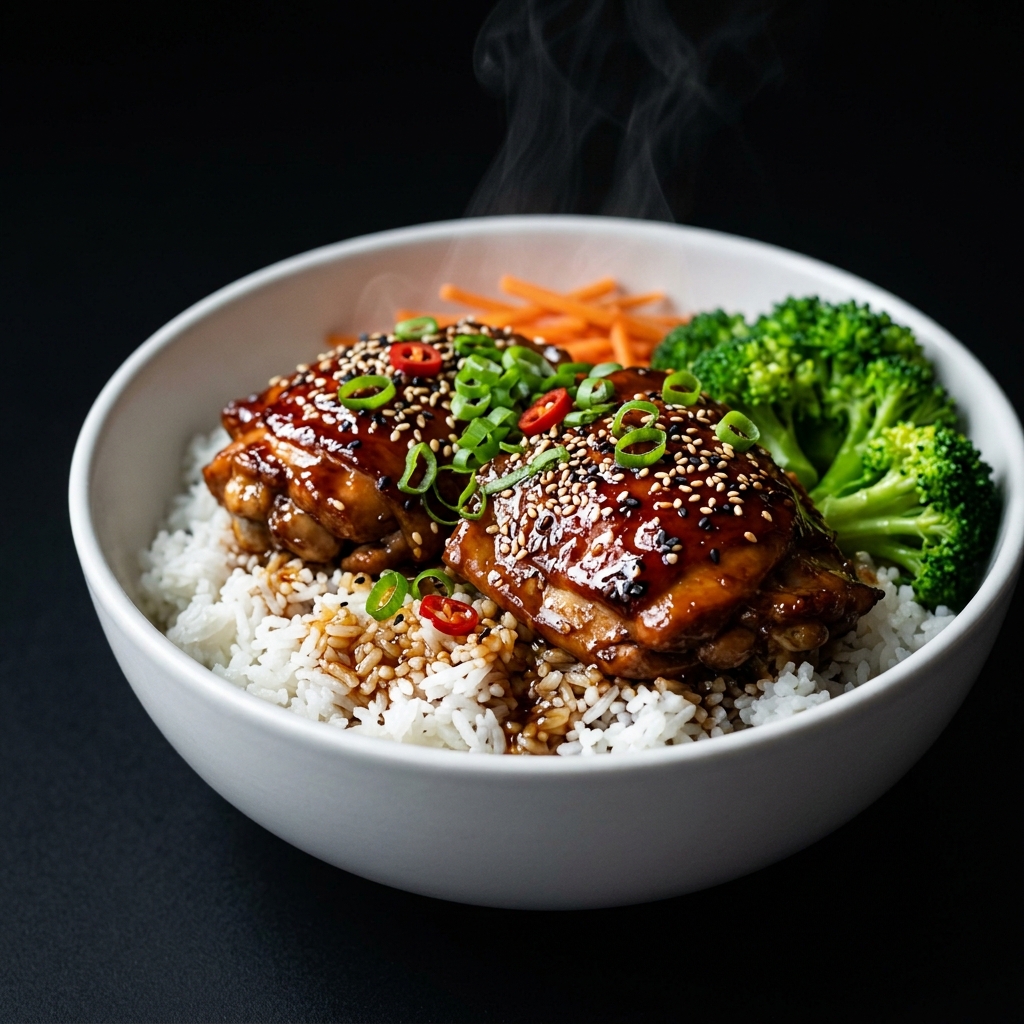

There is something irresistible about perfectly cooked chicken coated in a glossy, sticky teriyaki glaze. The combination of savory soy sauce, sweet caramelized flavors, fresh ginger, garlic, and nutty sesame creates a dinner that tastes far more impressive than the effort required to make it. This Teriyaki Chicken recipe brings that restaurant-style flavor straight to your kitchen with juicy chicken, a rich homemade sauce, and simple ingredients you can easily find. Whether you are looking for an easy weeknight dinner, a flavorful chicken recipe for the family, or a delicious meal to serve over steamed rice, this recipe delivers tender, saucy chicken with plenty of bold flavor in every bite.
Ingredients for Teriyaki Chicken
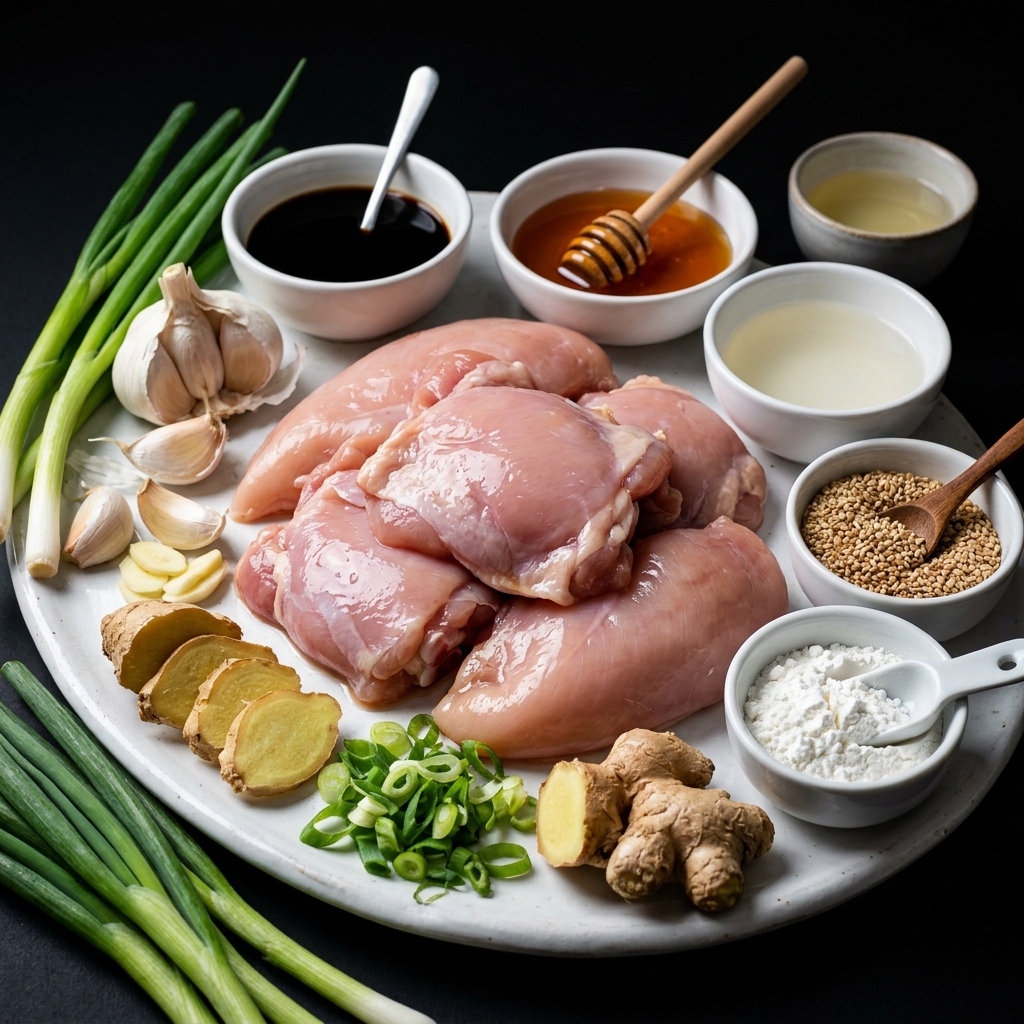
For the Chicken
- 1 1/2 pounds boneless, skinless chicken thighs – Chicken thighs are my preferred choice because they stay juicy and tender while cooking. You can substitute boneless chicken breasts if you prefer a leaner option.
- 1 tablespoon cooking oil – Use a neutral oil such as vegetable, canola, avocado, or light olive oil for searing.
- 1/2 teaspoon salt – Use sparingly because soy sauce already contributes significant saltiness.
- 1/4 teaspoon black pepper – Adds a subtle layer of seasoning without overpowering the teriyaki sauce.
For the Teriyaki Sauce
- 1/2 cup low-sodium soy sauce – This forms the savory foundation of the sauce. Low-sodium soy sauce gives you better control over the final salt level.
- 1/4 cup honey – Honey provides sweetness while helping the sauce become beautifully glossy and sticky as it reduces.
- 2 tablespoons rice vinegar – Its gentle acidity balances the sweetness and prevents the sauce from tasting flat.
- 2 tablespoons brown sugar – Adds deeper caramel notes and helps create that characteristic teriyaki glaze.
- 2 cloves garlic, finely minced – Fresh garlic gives the sauce much more character than powdered garlic.
- 1 tablespoon fresh ginger, finely grated – Fresh ginger adds warmth, fragrance, and a slightly spicy freshness.
- 1/2 cup water – Helps loosen the sauce initially and gives the ingredients time to blend before reduction.
- 1 tablespoon cornstarch – Helps thicken the sauce into a luxurious glaze that coats the chicken instead of remaining watery.
For Garnishing
- 1 tablespoon sesame seeds – Add nuttiness and a delicate crunch.
- 2 green onions, thinly sliced – Their fresh flavor cuts through the richness of the glaze and adds beautiful color.
How to Make Teriyaki Chicken
Step 1: Prepare the Chicken
Pat the chicken thighs thoroughly dry with paper towels. This small step is important because excess moisture can prevent the chicken from developing a beautiful golden-brown exterior.
If the thighs are very thick, gently pound them to an even thickness. This encourages more consistent cooking and prevents thinner sections from becoming overcooked while the thicker portions are still raw.
Season both sides lightly with salt and black pepper. Remember that the teriyaki sauce contains soy sauce, so there is no need to heavily season the chicken at this stage.
Step 2: Prepare the Teriyaki Sauce
In a medium bowl, whisk together the soy sauce, honey, rice vinegar, brown sugar, minced garlic, grated ginger, and water.
In a separate small bowl, mix the cornstarch with a tablespoon or two of cold water until completely smooth. This is called a cornstarch slurry. Mixing cornstarch with cold liquid before adding it to a hot sauce helps prevent unpleasant lumps.
Set both mixtures aside while you cook the chicken.
Step 3: Sear the Chicken
Heat a large skillet over medium-high heat and add the cooking oil. Once the oil is hot, carefully place the chicken into the skillet, making sure not to overcrowd the pan.
Cook the chicken for approximately 4–6 minutes on the first side, depending on thickness. Turn it over and continue cooking until the second side is golden brown and the chicken is nearly cooked through.
The goal here is not necessarily to finish the chicken completely during the initial sear. Instead, you want to develop color and flavor while leaving enough time for the chicken to finish cooking in the teriyaki glaze.
If your skillet is small, cook the chicken in batches. Crowding the pan traps steam and can cause the chicken to simmer rather than sear.
Step 4: Add the Teriyaki Sauce
Reduce the heat to medium and pour the prepared teriyaki sauce mixture into the skillet around the chicken.
Allow the sauce to come to a gentle simmer. As it heats, the honey and brown sugar begin to caramelize while the garlic and ginger release their aroma into the sauce.
Turn the chicken occasionally so the sauce can coat both sides. Keep an eye on the pan because sweet sauces can burn if cooked over excessively high heat.
Step 5: Thicken the Glaze
Give the cornstarch slurry another quick stir, then slowly pour it into the simmering sauce while stirring.
Continue cooking for several minutes. The sauce should gradually become thicker, shinier, and more concentrated.
Once the glaze is thick enough to coat the back of a spoon and cling to the chicken, reduce the heat to low. Continue turning the chicken through the sauce so every piece becomes generously coated.
For the best texture, avoid boiling the sauce aggressively after it has thickened. A gentle simmer is enough to finish the chicken and develop the glaze.
Step 6: Check the Chicken
Use an instant-read thermometer to check the thickest part of the chicken. Poultry should reach an internal temperature of 165°F (74°C) for safe consumption.
Once cooked, remove the skillet from the heat and allow the chicken to rest briefly. This gives the juices a moment to redistribute and makes the chicken easier to slice without losing too much moisture.
Step 7: Slice and Garnish
Transfer the chicken to a cutting board and slice it into strips or bite-sized pieces. You can also serve the thighs whole for a more substantial presentation.
Return the sliced chicken to the skillet and spoon the remaining teriyaki glaze over the top.
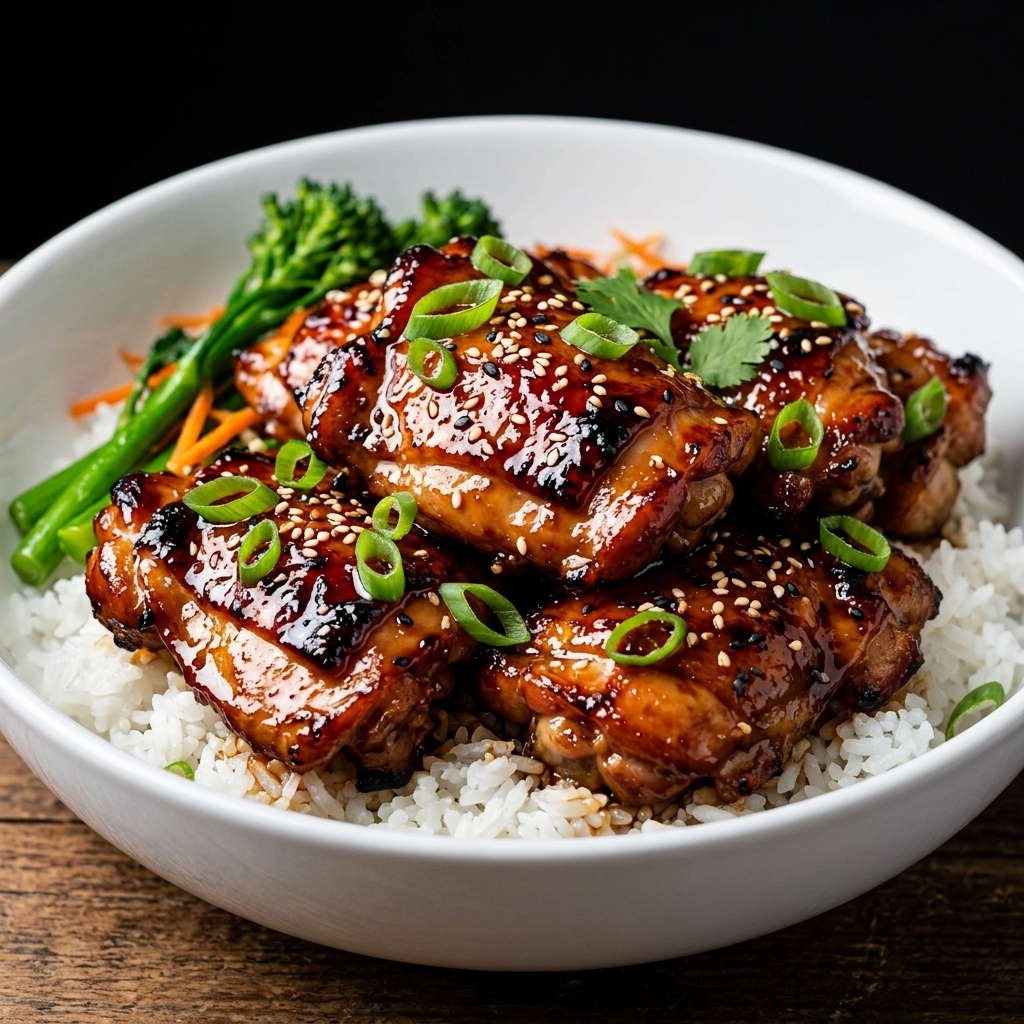
Finish with sesame seeds and thinly sliced green onions. The contrast between the dark, glossy glaze, pale sesame seeds, and vibrant green onions makes the finished dish especially attractive.
The Secret to a Truly Glossy Teriyaki Glaze
The difference between ordinary teriyaki chicken and exceptional teriyaki chicken often comes down to the sauce. A watery sauce simply pools around the chicken, while a properly reduced glaze clings to the surface and creates that beautiful lacquered appearance.
The trick is to give the sauce enough time to reduce gently while avoiding excessive heat. Honey and brown sugar can caramelize quickly, so patience is more important than high temperature. The cornstarch slurry then provides the final bit of thickness, giving the sauce its signature texture.
Another important detail is adding the sauce after the chicken has already developed some color. This allows the chicken to retain its savory, seared flavor while the sauce concentrates around it. Instead of tasting like chicken boiled in teriyaki sauce, every bite has layers of browned chicken, sweet-savory glaze, aromatic ginger, and garlic.
Delicious Variations to Try
Teriyaki Chicken Breast
For a leaner version, replace the chicken thighs with boneless, skinless chicken breasts. Because chicken breast contains less fat, be careful not to overcook it. Cutting large breasts into evenly sized pieces can help them cook more quickly and evenly.
Spicy Teriyaki Chicken
Add red pepper flakes, chili garlic sauce, or a little sriracha to the sauce for a spicy variation. Start with a small amount and increase gradually until you reach your preferred heat level.
Teriyaki Chicken with Vegetables
Turn this recipe into a complete one-pan dinner by adding vegetables such as broccoli, bell peppers, carrots, snap peas, mushrooms, or zucchini. Cook firmer vegetables first, then add softer vegetables toward the end so they retain some texture.
Honey Teriyaki Chicken
For a slightly sweeter glaze, increase the honey while reducing the brown sugar. Honey gives the sauce a particularly attractive shine and creates beautifully caramelized edges when it cooks against the hot skillet.
Gluten-Free Teriyaki Chicken
Traditional soy sauce contains wheat, so use certified gluten-free tamari or gluten-free soy sauce if you need a gluten-free version. Always check the labels of the other ingredients as well.
Expert Tips for the Best Teriyaki Chicken
Dry the chicken before cooking. Moisture is the enemy of browning. Patting the chicken dry helps create the golden exterior that adds so much flavor.
Do not overcrowd the skillet. Give each piece enough room to make direct contact with the hot pan. If necessary, sear the chicken in batches.
Use fresh ginger and garlic. They make a noticeable difference in the aroma and depth of the finished sauce.
Taste the sauce before thickening it. If it is too salty, add a little water or additional honey. If it is too sweet, a small splash of rice vinegar can restore balance.
Keep the heat moderate once the sauce is added. Teriyaki sauce contains sugar, so excessive heat can make it burn before the chicken is completely cooked.
Let the glaze cling naturally. A good teriyaki sauce should coat the chicken rather than form a thin watery layer underneath it.
Do not skip the garnish. Sesame seeds and green onions are not merely decorative. They provide nuttiness, freshness, texture, and color that balance the rich glaze.
Serve immediately when possible. Teriyaki chicken is at its best while the chicken is tender and the glaze is warm, glossy, and sticky.
What Makes This Recipe Worth Coming Back To?
Once you master this basic technique, you are not limited to making the same dinner every time. The teriyaki glaze can become the foundation for an entire collection of easy meals. You can adjust the sweetness, introduce spice, add vegetables, swap chicken thighs for chicken breast, or transform the dish into a satisfying rice bowl.
Even better, the recipe proves that impressive flavor does not require complicated cooking. A handful of everyday ingredients, a hot skillet, and a little attention to the sauce can produce a dinner with the glossy finish and bold flavor people often associate with their favorite takeout restaurant.
Make-Ahead Options
Teriyaki Chicken is an excellent recipe to prepare ahead of time, especially if you are planning busy weeknight meals. You can prepare the teriyaki sauce up to 3 days in advance and keep it refrigerated in an airtight container. When you are ready to cook, simply sear the chicken and add the prepared sauce.
You can also cook the chicken completely ahead of time and refrigerate it for later. For the best texture, keep the chicken and sauce together so the meat stays moist. When reheating, use gentle heat and add a small splash of water if the sauce has become excessively thick.
For meal preparation, divide the cooked chicken into individual containers with rice and vegetables. Allow everything to cool appropriately before refrigerating, then reheat individual portions when needed. This makes Teriyaki Chicken particularly convenient for packed lunches and quick dinners throughout the week.
What to Serve with Teriyaki Chicken
One of the best things about Teriyaki Chicken is how easily it pairs with other foods. The sweet-savory glaze works beautifully with simple sides, allowing you to create anything from a quick family dinner to a complete Asian-inspired feast.
Steamed White Rice
Steamed jasmine or long-grain white rice is one of the simplest and best choices. The mild flavor of the rice allows the teriyaki glaze to take center stage, while the fluffy grains soak up any extra sauce.
Brown Rice
Brown rice provides a heartier, nuttier alternative to white rice. Its slightly chewy texture works particularly well with tender glazed chicken.
Fried Rice
For a more substantial meal, serve the chicken with vegetable fried rice. The combination creates a satisfying dinner with plenty of texture and flavor.
Steamed Broccoli
Broccoli adds freshness and a pleasant contrast to the rich glaze. You can steam it until just tender while keeping some of its natural crunch.
Stir-Fried Vegetables
Bell peppers, carrots, snap peas, mushrooms, zucchini, and onions can all work beautifully alongside Teriyaki Chicken. A colorful vegetable mixture also makes the plate look much more appealing.
Asian-Inspired Slaw
A crisp cabbage slaw with carrots and a light sesame or rice-vinegar dressing provides acidity and crunch that balance the sweetness of the chicken.
Cucumber Salad
A simple cucumber salad can provide a refreshing contrast to the warm, sticky chicken. Thinly sliced cucumber with rice vinegar, sesame seeds, and green onion is particularly suitable.
Noodles
Serve the chicken over cooked ramen, soba, udon, or rice noodles for a comforting noodle bowl. Toss the noodles with a small amount of the teriyaki sauce before adding the chicken.
Lettuce Wraps
For a lighter presentation, chop the chicken into small pieces and spoon it into crisp lettuce leaves. Add shredded carrots, green onions, cucumber, and sesame seeds for extra freshness.
How to Store Teriyaki Chicken
Allow leftover Teriyaki Chicken to cool before transferring it to a clean airtight container. Refrigerate it promptly and keep the refrigerator at 40°F (4°C) or below.
Properly refrigerated cooked chicken is generally best consumed within 3 to 4 days. If you notice an unusual smell, appearance, or texture, discard the leftovers rather than attempting to rescue them.
If you want to keep the chicken for longer, freezing is a good option. Place the cooled chicken and sauce in a freezer-safe airtight container or freezer bag, removing as much excess air as possible before sealing.
For best quality, use frozen Teriyaki Chicken within approximately 2 to 3 months. It can remain safe beyond that when continuously frozen, but texture and flavor may gradually decline.
How to Reheat Teriyaki Chicken
The stovetop is one of the best methods for reheating because you can control the temperature and prevent the sauce from becoming overly dry.
Place the chicken in a skillet over low to medium-low heat. Add a tablespoon or two of water if the glaze has become very thick. Cover the skillet and heat gently until the chicken is warmed through.
You can also use a microwave. Place the chicken in a microwave-safe dish, cover loosely, and heat in short intervals, stirring or turning the chicken between intervals when practical. Avoid overheating because chicken can become dry and rubbery surprisingly quickly.
If the chicken was frozen, thaw it safely in the refrigerator before reheating for more even results.
Frequently Asked Questions
Can I use chicken breast instead of chicken thighs?
Absolutely. Chicken breast is an excellent substitute if you prefer leaner meat. The main consideration is cooking time because chicken breast can become dry if overcooked. Cut particularly large breasts into evenly sized pieces and monitor their internal temperature carefully.
Chicken thighs are more forgiving because they contain more fat and connective tissue, which helps them remain juicy during cooking. For maximum tenderness and a rich texture, thighs are my first choice.
Can I make Teriyaki Chicken without honey?
Yes. Honey can be replaced with additional brown sugar, maple syrup, or another suitable sweetener. Keep in mind that each sweetener affects the flavor and consistency slightly.
If using maple syrup, you may get a deeper, more distinctive flavor. Brown sugar produces a classic caramel-like sweetness, while honey creates an especially glossy glaze.
Why is my teriyaki sauce too thin?
There are two common reasons: the sauce has not reduced enough, or the cornstarch slurry was not sufficient.
First, allow the sauce to simmer gently for a little longer. If it remains too thin, add a small amount of additional cornstarch slurry. Always mix cornstarch with cold water before adding it to the hot sauce.
Remember that the sauce will also thicken slightly as it cools, so avoid making it excessively thick while it is still bubbling in the skillet.
Why did my teriyaki sauce become too thick?
The sauce may have been reduced for too long or cooked over excessively high heat. Fortunately, this is easy to correct.
Add a small splash of water and stir over low heat until the sauce loosens. Add liquid gradually rather than all at once so you can control the final consistency.
Can I make Teriyaki Chicken gluten-free?
Yes. Replace regular soy sauce with certified gluten-free tamari or another gluten-free soy sauce alternative. Also check the labels of ingredients such as cornstarch, vinegar, and other packaged products if you are preparing the recipe for someone who must strictly avoid gluten.
Is Teriyaki Chicken keto-friendly?
Traditional Teriyaki Chicken is generally not considered keto-friendly because honey and brown sugar contribute carbohydrates. However, you can create a lower-carb version by replacing the traditional sweeteners with an appropriate keto-friendly sweetener and carefully choosing the remaining ingredients.
Can I make this recipe spicy?
Definitely. Add crushed red pepper flakes, chili garlic sauce, sriracha, cayenne pepper, or finely chopped fresh chili. Start with a small amount because it is much easier to increase the heat than to remove it.
For an especially balanced spicy teriyaki sauce, combine a little chili with the sweetness of honey and the acidity of rice vinegar.
Can I add vegetables directly to the skillet?
Yes. Vegetables can turn this into a convenient one-pan meal. Broccoli, bell peppers, snap peas, carrots, mushrooms, zucchini, and onions are particularly good options.
For the best texture, avoid adding every vegetable simultaneously. Dense vegetables such as carrots should go in earlier, while delicate vegetables such as green onions can be added near the end.
Can I use bottled teriyaki sauce?
You can, especially when you need a very quick meal. However, homemade sauce gives you significantly more control over sweetness, saltiness, acidity, garlic, and ginger.
A homemade sauce also allows you to adjust the consistency according to how you want to serve the chicken.
How do I prevent the chicken from becoming dry?
Start with properly dried chicken, avoid overcrowding the pan, and do not cook it far beyond the recommended internal temperature.
Chicken should be removed from excessive heat once it reaches a safe internal temperature. Allowing it to sit in a very hot skillet for several extra minutes can continue cooking the meat and lead to dryness.
How to Get Restaurant-Style Teriyaki Chicken at Home
The secret is not simply the sauce. It is the combination of proper browning, controlled heat, sauce reduction, and timing.
Start by giving the chicken enough contact with the hot pan to develop a flavorful golden crust. Then introduce the sauce and allow it to gently reduce around the chicken. As the liquid evaporates, the flavors become more concentrated and the sauce begins clinging to the surface.
Finally, finish with fresh green onions and sesame seeds. These simple garnishes add color and freshness while giving the dish the polished appearance of a restaurant-style meal.
If you want an especially impressive presentation, spoon steamed rice onto one side of a modern white serving bowl and arrange sliced Teriyaki Chicken beside it. Drizzle a little extra glaze over the chicken and rice, then finish with sesame seeds and freshly sliced green onions. The contrast between the glossy dark sauce, bright green garnish, fluffy rice, and clean white dish makes the meal immediately inviting.
Common Mistakes to Avoid
Using Too Much Salt
Soy sauce is already salty, so heavily salting the chicken before cooking can result in an unbalanced dish. Season lightly and taste the sauce before adding additional salt.
Cooking Over Extremely High Heat
High heat may brown the chicken quickly, but it can also burn the sugar in the teriyaki sauce. Once the sauce enters the skillet, moderate heat is your friend.
Adding the Cornstarch Dry
Never sprinkle dry cornstarch directly into a hot sauce. It can clump almost immediately. Always make a smooth slurry with cold water first.
Skipping the Sear
Simply simmering raw chicken in the sauce can produce cooked chicken, but it will lack the depth of flavor created by proper browning.
Cutting the Chicken Immediately
Allow the cooked chicken to rest briefly before slicing. This gives the juices time to redistribute and helps keep the meat moist.
Overloading the Plate
Teriyaki Chicken already has a visually striking appearance. Too many decorative elements can distract from the food. A clean plate, fluffy rice, fresh garnish, and glossy chicken are often all you need.
Teriyaki Chicken
Ingredients
Equipment
Method
- Prepare the chicken: Pat the chicken thighs dry with paper towels. Season lightly on both sides with salt and black pepper.
- Make the sauce: In a medium bowl, whisk together soy sauce, honey, rice vinegar, brown sugar, garlic, ginger, and 1/2 cup water.
- Prepare the slurry: In a small bowl, combine the cornstarch with 1–2 tablespoons of cold water. Stir until completely smooth and set aside.
- Sear the chicken: Heat the oil in a large skillet over medium-high heat. Add the chicken without overcrowding the pan. Sear for about 4–6 minutes per side, or until nicely browned and nearly cooked through.
- Add the sauce: Reduce the heat to medium and pour the teriyaki sauce into the skillet. Bring it to a gentle simmer, turning the chicken occasionally so it becomes coated in the sauce.
- Thicken the glaze: Stir the cornstarch slurry again and slowly add it to the simmering sauce while stirring. Cook for several minutes until the sauce becomes thick, glossy, and able to coat the chicken.
- Finish cooking: Continue gently simmering until the chicken reaches an internal temperature of 165°F (74°C).
- Rest and slice: Remove the chicken from the heat and let it rest briefly. Slice into strips or bite-sized pieces, if desired.
- Garnish and serve: Spoon the remaining teriyaki glaze over the chicken and finish with sesame seeds and sliced green onions. Serve immediately with steamed rice, vegetables, or noodles.
Notes
Salt: Season the chicken lightly because soy sauce already contains sodium.
Gluten-free option: Use certified gluten-free tamari or gluten-free soy sauce.
Spicy variation: Add red pepper flakes, sriracha, or chili garlic sauce to the teriyaki sauce.
Vegetables: Broccoli, carrots, bell peppers, snap peas, mushrooms, and zucchini make excellent additions.
Sauce consistency: If the sauce becomes too thick, loosen it with a small splash of water. If it is too thin, allow it to simmer slightly longer.
Storage: Refrigerate leftovers in an airtight container for up to 3–4 days.
Freezing: Freeze cooled chicken with its sauce in an airtight freezer-safe container for approximately 2–3 months for best quality.
Serving suggestion: Serve over fluffy jasmine rice and garnish generously with sesame seeds and green onions for a classic presentation.

Hi, I’m Clara, the creator of Barakala. I love sharing simple, comforting, and delicious recipes that make everyday cooking easier and more enjoyable for home cooks.