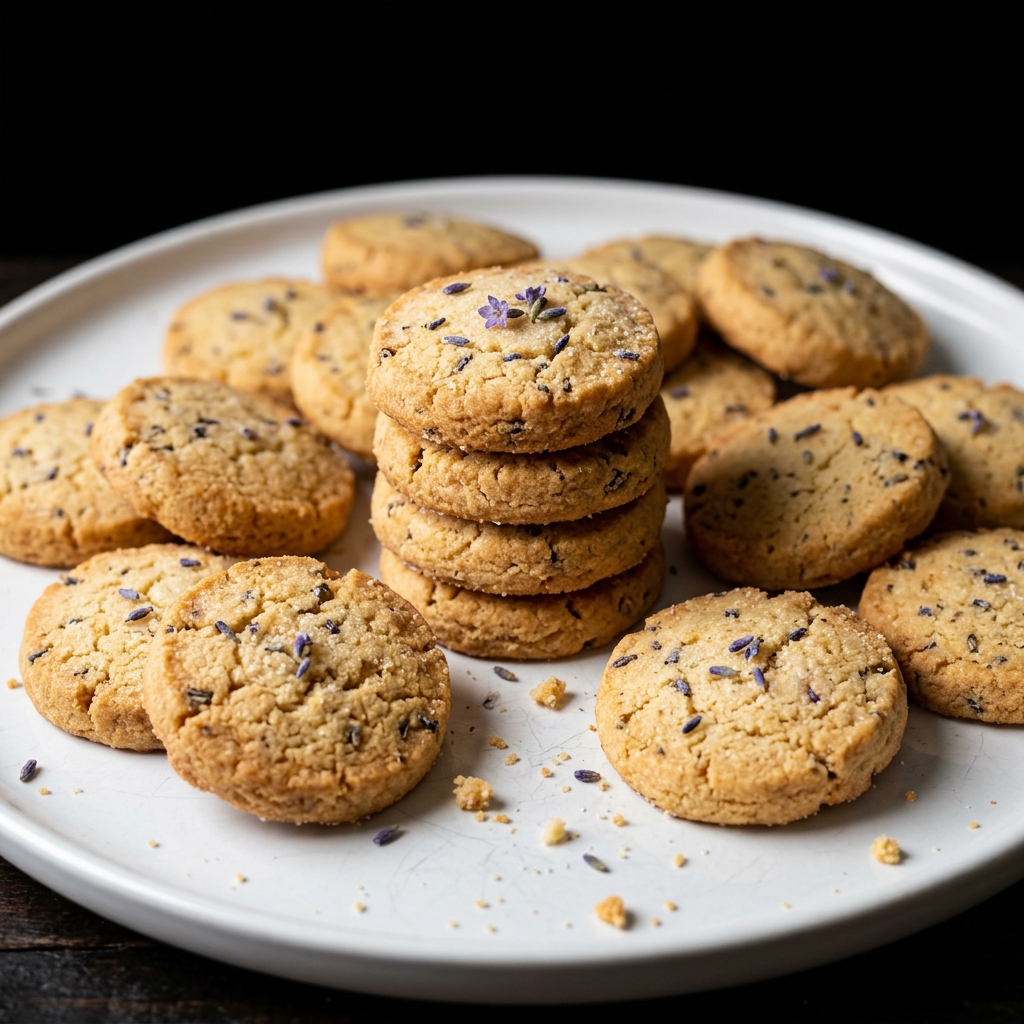
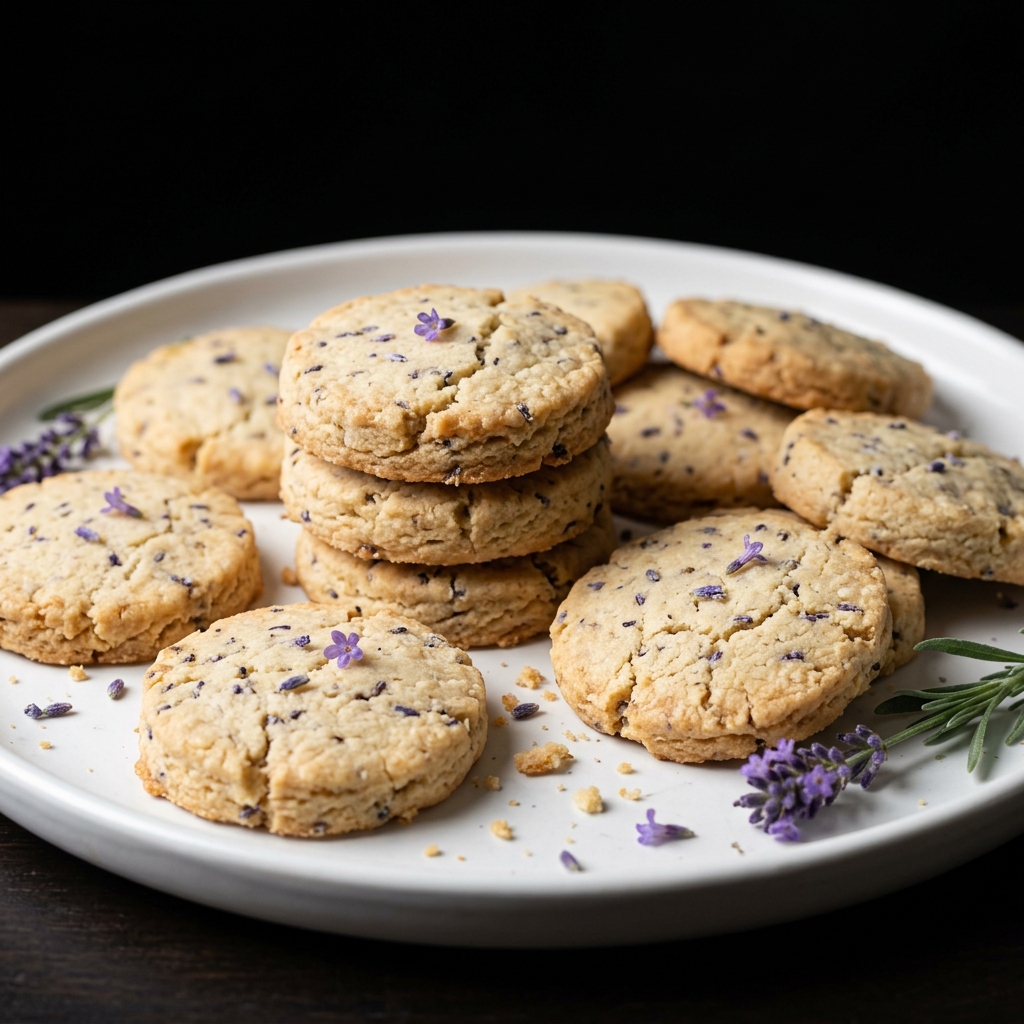
There is something wonderfully elegant about a cookie that is simple enough for an afternoon bake yet beautiful enough for a special occasion. These Lavender Shortbread Cookies are buttery, delicately crisp, lightly crumbly, and infused with just enough floral lavender to make every bite memorable without becoming overpowering.
Ingredients You’ll Need

All-Purpose Flour
All-purpose flour forms the structure of these shortbread cookies. Because shortbread contains relatively little liquid, the flour helps create the characteristic tender, crumbly texture.
For the most consistent results, measure the flour carefully. Too much flour can make the cookies dry, dense, and difficult to roll. If possible, use a kitchen scale. If measuring with cups, lightly spoon the flour into the measuring cup and level the top rather than scooping directly from the flour container.
Unsalted Butter
Butter is arguably the star ingredient in shortbread. It provides richness, tenderness, flavor, and that unmistakable melt-in-your-mouth quality.
Use good-quality unsalted butter that is softened but not melted. Softened butter should be cool to the touch while yielding easily when pressed with a fingertip. Melted or excessively warm butter can cause the dough to become greasy and make the cookies spread too much during baking.
Granulated Sugar
Granulated sugar provides sweetness while helping create the delicate texture associated with classic shortbread. It also contributes to the lightly crisp exterior.
You can adjust the sweetness slightly according to your preference, but avoid making dramatic reductions because sugar also affects the structure and texture of the finished cookies.
Culinary Dried Lavender
This is what gives the cookies their distinctive character. Always use food-grade culinary lavender, preferably a variety intended specifically for cooking.
Lavender can vary significantly in intensity, so more is not necessarily better. Too much can make the cookies taste bitter, medicinal, or overwhelmingly floral. A modest amount gives you a much more refined flavor.
If the lavender buds are particularly large, gently crush or chop them before adding them to the dough. This distributes the flavor more evenly throughout the cookies.
Pure Vanilla Extract
Vanilla rounds out the floral notes and gives the cookies a warmer, sweeter aroma. It is a small addition, but it helps prevent the lavender from tasting too sharp.
Salt
A small amount of salt balances the sweetness and enhances the buttery flavor. Do not skip it simply because these are sweet cookies. Salt helps all the other flavors taste more complete.

How to Make Lavender Shortbread Cookies
1. Prepare the Baking Equipment
Begin by preheating your oven to 350°F (175°C).
Line a baking sheet with parchment paper. You can also use a silicone baking mat if you have one.
Having the baking sheet ready before making the dough is helpful because shortbread dough becomes easier to handle when kept cool.
2. Cream the Butter and Sugar
Place the softened unsalted butter and granulated sugar in a large mixing bowl.
Using a hand mixer or stand mixer, beat them together until the mixture is smooth, creamy, and well combined. You do not need to whip the butter dramatically until it becomes extremely fluffy as you might for a traditional cake.
For shortbread, the goal is a smooth mixture rather than excessive aeration.
Add the vanilla extract and mix briefly to incorporate it.
3. Add the Lavender
Add the culinary dried lavender and gently mix it into the butter mixture.
Take a moment to smell the mixture at this stage. You should notice a pleasant floral aroma, but it should still be accompanied by the rich scent of butter and vanilla.
If the lavender aroma is overwhelmingly strong, that is a useful warning not to add more. A subtle floral character becomes much more pleasant after baking.
4. Incorporate the Flour and Salt
In a separate bowl, combine the all-purpose flour and salt.
Gradually add the dry ingredients to the butter mixture, mixing on low speed until the dough begins to come together.
Do not overmix.
Once the flour has disappeared and the dough looks cohesive, stop mixing. Overworking shortbread dough can develop too much gluten, resulting in cookies that are tougher rather than tender.
If the dough appears slightly crumbly at first, resist the urge to immediately add liquid. Continue gently mixing or use your hands to bring the mixture together. Shortbread dough is naturally firmer and less moist than many other cookie doughs.
5. Bring the Dough Together
Turn the dough onto a lightly floured work surface.
Gently press it together with your hands until it forms a smooth, cohesive ball or disk. Handle it as little as possible.
Flatten the dough into a thick disk. This will make chilling and rolling easier.
Wrap the dough and refrigerate it for approximately 30 minutes.
This chilling period is important. It firms the butter and makes the dough easier to work with while helping the cookies maintain their shape during baking.
6. Roll Out the Dough
Once chilled, place the dough on a lightly floured surface or between two sheets of parchment paper.
Roll it out to approximately ¼ inch (6 mm) thick.
Try to maintain an even thickness across the entire sheet of dough. Uneven cookies can cause some pieces to brown before others are fully baked.
If the dough begins to soften or feel sticky while you are working, place it back in the refrigerator for several minutes. Working with cold dough is one of the easiest ways to produce neat, attractive shortbread.
7. Cut the Cookies
Use your favorite cookie cutter to cut the dough into shapes.
A round cutter gives the cookies a classic appearance, while floral, heart, or scalloped cutters can make them particularly attractive for parties and gifts.
Transfer each cut cookie carefully to the prepared baking sheet, leaving a little space between them.
Gather the remaining dough scraps, gently press them together, and roll them again. Try not to repeatedly knead and reroll the dough, as excessive handling can make the final batch less tender.
8. Chill the Cut Cookies
For especially neat shortbread, place the entire baking sheet in the refrigerator for another 10 to 15 minutes before baking.
This extra chilling step is optional, but it is particularly useful if your kitchen is warm or the dough became soft while rolling.
Cold dough holds its shape better in the oven because the butter takes longer to melt.
9. Bake Until Lightly Golden
Bake the cookies in the preheated oven until the edges are lightly golden and the centers look set.
Depending on the size and thickness of your cookies, this will generally take around 10 to 14 minutes.
Do not wait for the entire cookie to become deeply brown. Lavender shortbread is at its best when it remains relatively pale with just a hint of golden color around the edges.
Remember that cookies continue to firm as they cool, so they may look slightly softer when they first leave the oven.
10. Cool Completely
Allow the cookies to rest on the baking sheet for several minutes before carefully transferring them to a wire rack.
Let them cool completely before serving or decorating.
This final cooling stage is more important than it might seem. As the melted butter solidifies and the cookie structure sets, the shortbread develops its characteristic crisp-tender texture.
The Little Detail That Makes These Cookies Special
The difference between a good lavender shortbread and an exceptional one is not simply the amount of lavender you use. It is how carefully you balance the lavender against the butter, sugar, vanilla, and salt.
Think of lavender as a supporting ingredient rather than the main flavor. You want someone to take a bite and think, What is that beautiful floral flavor? before recognizing the lavender. If the first thing they taste is an intense perfume-like floral note, the balance has gone too far.
The texture matters just as much. Proper shortbread should have a delicate snap when you bite into it, followed by a tender, buttery crumble. If your cookies are hard or chewy, the most common culprits are excessive mixing, too much flour, overbaking, or insufficient butter.
Variations to Try
Lavender Lemon Shortbread
For a brighter, more refreshing version, add finely grated lemon zest to the dough. Lemon and lavender work exceptionally well together because the citrus cuts through the richness of the butter and gives the cookies a fresh, lively finish.
Lavender Honey Shortbread
Replace a small portion of the granulated sugar with honey for a softer, warmer sweetness. Keep the amount modest because additional moisture can change the texture of traditional shortbread.
Lavender Vanilla Shortbread
For a gentler floral cookie, increase the vanilla slightly while keeping the lavender subtle. This is a particularly good option if you are introducing lavender desserts to someone who has never tried them before.
Chocolate-Dipped Lavender Shortbread
Once the cookies have cooled completely, dip one end into melted chocolate and allow it to set. Dark chocolate creates a rich contrast with the delicate floral flavor, while white chocolate produces a sweeter and more decorative finish.
Lavender Sugar Shortbread
For an attractive finishing touch, lightly sprinkle the unbaked cookies with lavender-infused sugar before placing them in the oven. This creates a delicate sparkle and reinforces the lavender aroma without requiring a heavy decoration.
Expert Tips for Perfect Lavender Shortbread
Use culinary lavender only. Not every lavender product is intended for consumption. Choose lavender specifically sold as a food ingredient.
Keep the butter soft, not melted. Butter that is too warm can make the dough greasy and encourage spreading.
Do not overwork the dough. Mix only until the ingredients come together. Shortbread rewards a gentle touch.
Chill the dough. Refrigeration makes rolling easier and helps the cookies maintain their shape.
Watch the oven closely. Pale golden edges are usually what you want. Deeply browned shortbread can taste dry and lose some of its delicate buttery character.
Roll evenly. Consistent thickness ensures that all the cookies bake at approximately the same rate.
Let them cool completely. Freshly baked shortbread is fragile. Cooling allows the cookies to develop their final texture.
Taste your lavender before using it. Some culinary lavender is much stronger than others. Understanding its intensity helps you avoid accidentally overpowering the cookies.
Use parchment paper. It helps prevent sticking and makes transferring the delicate cookies much easier.
Avoid adding too much flour during rolling. Excess flour can gradually work into the dough and make the cookies tougher. Use just enough to prevent sticking.
Make-Ahead Options
Lavender shortbread is an excellent make-ahead cookie because the dough can be prepared before you actually need to bake it.
The wrapped dough can be refrigerated for a couple of days before rolling and baking. When ready to use, allow it to sit at room temperature briefly if it has become very firm, then roll and cut as usual.
You can also prepare and cut the cookies ahead of time, arrange them on a parchment-lined baking sheet, and chill them until you are ready to bake. This is especially convenient when preparing desserts for a gathering.
For longer storage, tightly wrapped unbaked dough can also be frozen. Thaw it in the refrigerator before rolling, or, if the cookies have already been cut, bake them from frozen with a little additional baking time while watching their edges carefully.
What to Serve With Lavender Shortbread Cookies
Lavender shortbread is particularly well suited to drinks and light desserts because its buttery texture and floral aroma pair beautifully with beverages.
Afternoon Tea
Serve the cookies alongside black tea, Earl Grey, English breakfast tea, or a delicate herbal tea. Earl Grey is especially appealing because its citrusy bergamot notes complement lavender beautifully.
Coffee
The richness of coffee provides a pleasant contrast to the floral sweetness of the cookies. Serve them with a latte, cappuccino, or simply a freshly brewed cup of coffee.
Lemon Desserts
Pair them with lemon curd, lemon mousse, or a light citrus dessert for a bright floral-citrus combination.
Fresh Berries
Strawberries, raspberries, blueberries, and blackberries provide natural acidity that balances the buttery sweetness of the shortbread.
Ice Cream
Serve a cookie alongside a scoop of vanilla, honey, lemon, or berry ice cream for an elegant plated dessert.
How to Store Lavender Shortbread Cookies
Once completely cooled, place the cookies in an airtight container and keep them at room temperature.
For the best texture, place parchment paper between layers if you are stacking them. This helps protect delicate cookies from breaking and prevents decorations or toppings from rubbing against one another.
Stored properly, the cookies can remain enjoyable for several days, although their texture is generally at its best during the first few days after baking.
Avoid storing them in a humid location. Moisture can soften shortbread and take away the crisp, crumbly texture that makes these cookies so special.
For gifting, allow the cookies to cool completely before packaging them. A sturdy airtight tin or food-safe container works especially well and gives these elegant cookies a beautiful presentation.
Frequently Asked Questions
Can I use fresh lavender instead of dried lavender?
Dried culinary lavender is generally easier to use for shortbread because its flavor is concentrated and predictable. Fresh lavender contains considerably more moisture and can behave differently in the dough. If using fresh lavender, make sure it is specifically edible and intended for culinary use.
What type of lavender is best for cookies?
Use culinary-grade lavender. English lavender varieties such as Lavandula angustifolia are commonly used in cooking because they tend to have a more suitable flavor profile. Avoid using lavender intended solely for decoration, fragrance, or crafts.
Why does my lavender shortbread taste bitter?
The most likely reason is too much lavender, particularly if the lavender is very strong. Lavender is intensely aromatic, so a small quantity can provide plenty of flavor. Another possibility is overbaking, which can add a bitter or overly toasted flavor to the cookies.
Why did my shortbread spread in the oven?
The butter may have been too warm, the dough may not have been chilled sufficiently, or the kitchen may have been particularly warm. Chilling the shaped cookies before baking can help them hold their form.
Can I make these cookies without a cookie cutter?
Absolutely. You can shape the dough into a log, chill it thoroughly, and slice it into rounds. This method is quick, produces attractive rustic cookies, and minimizes dough scraps.

Lavender Shortbread Cookies
Ingredients
Equipment
Method
- Prepare the oven: Preheat the oven to 350°F (175°C). Line a baking sheet with parchment paper or a silicone baking mat.
- Cream the butter and sugar: In a large mixing bowl, beat the softened butter and granulated sugar until smooth and creamy. Avoid excessively whipping the mixture.
- Add the flavorings: Mix in the vanilla extract and culinary lavender until evenly distributed.
- Add the dry ingredients: In a separate bowl, whisk together the flour and salt. Gradually add the dry mixture to the butter mixture, mixing on low speed just until a soft dough forms. Do not overmix.
- Chill the dough: Shape the dough into a thick disk, wrap it well, and refrigerate for about 30 minutes.
- Roll the dough: Transfer the chilled dough to a lightly floured surface or place it between sheets of parchment paper. Roll it to approximately ¼-inch (6 mm) thickness.
- Cut the cookies: Cut the dough into your desired shapes using a cookie cutter. Carefully transfer the cookies to the prepared baking sheet.
- Chill again: For especially neat cookies, refrigerate the cut cookies for an additional 10–15 minutes before baking.
- Bake: Bake for 10–14 minutes, or until the edges are lightly golden and the centers appear set. Avoid overbaking.
- Cool: Let the cookies cool on the baking sheet for several minutes, then transfer them to a wire rack to cool completely.
- Serve: Once completely cooled, serve as they are or decorate lightly with additional culinary lavender, powdered sugar, or a drizzle of chocolate.
Notes
Lavender is potent, so avoid adding excessive amounts. The finished cookies should have a delicate floral aroma rather than a strong perfume-like taste.
Use softened butter, not melted butter, for the best texture.
For consistently shaped cookies, chill the cut dough before baking.
Do not overmix the dough after adding the flour. Overworking can make the shortbread tough.
For a citrus variation, add finely grated lemon zest to the dough.
For chocolate-dipped lavender shortbread, allow the cookies to cool completely before dipping them in melted chocolate.
Store completely cooled cookies in an airtight container at room temperature for several days.
These cookies are vegetarian but are not traditionally gluten-free, keto, low-carb, or vegan.

Hi, I’m Clara, the creator of Barakala. I love sharing simple, comforting, and delicious recipes that make everyday cooking easier and more enjoyable for home cooks.