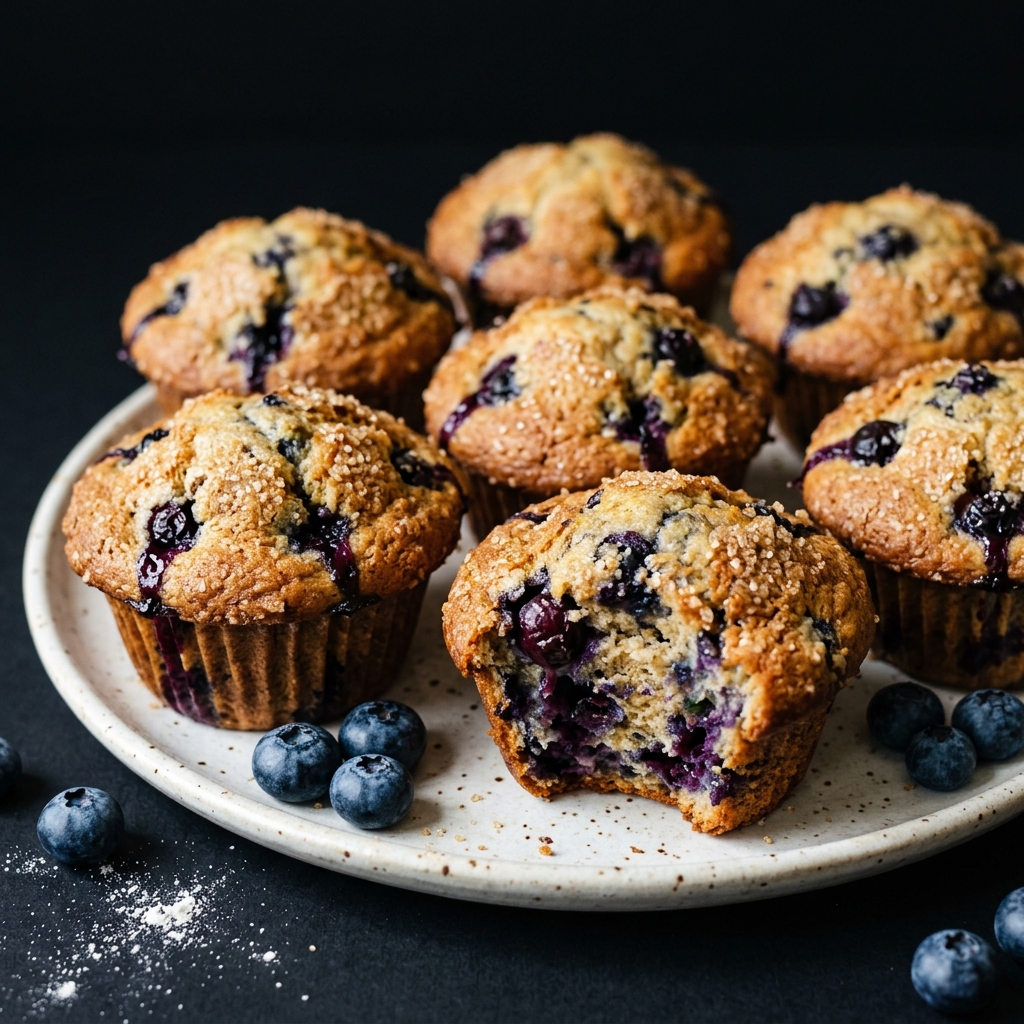

There is something wonderfully irresistible about a freshly baked blueberry cupcake: the soft golden cake, juicy berries tucked into every bite, and creamy frosting that makes the whole dessert feel extra special. These Blueberry Cupcakes bring all of that together in an easy homemade recipe that is perfect for birthdays, brunches, afternoon treats, celebrations, or simply satisfying a serious sweet craving. With fresh blueberries adding bursts of fruity flavor and moisture to a tender vanilla cupcake, every bite tastes bakery-worthy while still being simple enough to make in your own kitchen.
Ingredients for Blueberry Cupcakes

The beauty of this recipe is that most of the ingredients are simple baking staples. The key is using them correctly and choosing good-quality ingredients, especially the blueberries and butter, because small details can make a noticeable difference in the finished cupcakes.
For the Blueberry Cupcakes
All-purpose flour: This forms the structure of the cupcakes. Measure the flour carefully rather than scooping directly from the bag, because too much flour can produce dense, dry cupcakes. For the most accurate result, spoon the flour into your measuring cup and level the top.
Baking powder: This gives the cupcakes their light, fluffy rise. Make sure your baking powder is fresh for the best results.
Salt: A small amount of salt balances the sweetness and helps bring out the vanilla and blueberry flavors. It may seem insignificant, but leaving it out can make a sweet baked good taste noticeably flat.
Unsalted butter: Softened butter provides richness and helps create a tender crumb. Allow the butter to soften at room temperature rather than melting it. Melted butter changes the texture and mixing process.
Granulated sugar: Sugar sweetens the cupcakes while also contributing to their tender texture and golden edges.
Eggs: Eggs provide structure, richness, moisture, and help bind the ingredients together. For better incorporation, use eggs that are not ice-cold.
Vanilla extract: Vanilla gives the cupcakes a warm, fragrant flavor that pairs beautifully with blueberries.
Milk: Milk adds moisture and helps create a soft, delicate crumb. Whole milk is particularly good when you want a richer cupcake, although other regular milk varieties can work.
Fresh blueberries: These are the star ingredient. Choose plump, firm blueberries with deep color. Fresh berries are especially attractive when cut into the cupcakes because they create little pockets of juicy fruit throughout the cake.
For the Blueberry Frosting
Butter: Softened unsalted butter creates the creamy base of the frosting.
Powdered sugar: This sweetens and thickens the frosting while producing a smooth texture.
Blueberry puree or blueberry sauce: This gives the frosting its beautiful berry flavor and color. A concentrated blueberry puree works particularly well because it provides flavor without making the frosting excessively watery.
Vanilla extract: Just a little vanilla rounds out the blueberry flavor.
Heavy cream or milk: Use a small amount to adjust the frosting to the perfect spreading or piping consistency.
Fresh blueberries for decorating: A few berries on top make the cupcakes instantly recognizable and give them a fresh, colorful finish.
How to Make Blueberry Cupcakes
The secret to excellent cupcakes is not complicated technique. It is paying attention to a few important stages: properly preparing the batter, avoiding overmixing, and baking the cupcakes just until they are done.
Step 1: Prepare the Oven and Cupcake Pan
Preheat your oven to 350°F (175°C). Line a standard 12-cup muffin pan with paper cupcake liners.
Preparing the pan before mixing the batter is a small but useful habit. Once the batter is finished, you want to transfer it into the liners immediately rather than letting it sit around while you search for equipment.
Step 2: Combine the Dry Ingredients
In a medium bowl, whisk together the all-purpose flour, baking powder, and salt.
Whisking does more than combine the ingredients. It helps distribute the baking powder and salt throughout the flour, reducing the chance of getting one cupcake with too much leavening or another without enough.
Set the bowl aside while you prepare the wet ingredients.
Step 3: Cream the Butter and Sugar
Place the softened butter and granulated sugar in a large mixing bowl. Beat them together until the mixture becomes lighter, smoother, and slightly fluffy.
This step is important because beating the butter and sugar together helps incorporate air into the mixture. Those tiny air pockets contribute to a lighter cupcake.
Avoid using butter that is completely melted. Softened butter should be easy to press with your finger but should still hold its shape.
Step 4: Add the Eggs and Vanilla
Add the eggs one at a time, mixing well after each addition. Then add the vanilla extract.
If the mixture looks slightly curdled after adding the eggs, don’t panic. This can happen when the ingredients are at different temperatures. Once the dry ingredients and milk are incorporated, the batter should come together.
Step 5: Add the Dry Ingredients and Milk
Gradually add the dry ingredients to the butter mixture, alternating with the milk. Begin and finish with the dry ingredients.
Mix gently and only until the ingredients are combined.
This is one of the most important rules for tender cupcakes: do not overmix the batter. Once flour is hydrated, excessive mixing develops gluten, which can turn a soft cupcake into a chewy or dense one.
A few small streaks of flour are preferable to aggressively beating the batter until it is completely smooth.
Step 6: Fold in the Blueberries
Add the fresh blueberries and gently fold them into the batter with a spatula.
Work carefully so you don’t crush the berries unnecessarily. If several blueberries break apart, their juices can streak through the batter, which isn’t necessarily bad for flavor, but it can make the batter more difficult to portion evenly.
For especially large blueberries, you can toss them lightly with a little flour before folding them in. This can help distribute them throughout the batter rather than allowing them all to sink toward the bottom.
Step 7: Fill the Cupcake Liners
Divide the batter evenly among the prepared cupcake liners, filling each approximately two-thirds full.
Try to distribute the blueberries evenly rather than putting most of them into the first few liners. An ice cream scoop or cookie scoop can make portioning much easier and helps produce cupcakes that bake at the same rate.
Avoid overfilling the liners. Too much batter can cause the cupcakes to rise dramatically and spill over the edges instead of forming a neat, attractive dome.
Step 8: Bake the Cupcakes
Place the pan in the preheated oven and bake for approximately 18 to 22 minutes, or until the cupcake tops spring back lightly when touched and a toothpick inserted into the center comes out clean or with a few moist crumbs.
Try not to open the oven door repeatedly while the cupcakes are baking. A sudden temperature change can interfere with their rise.
Because every oven behaves slightly differently, begin checking near the lower end of the baking time.
Step 9: Cool Completely
Remove the pan from the oven and allow the cupcakes to cool in the pan for several minutes. Then transfer them to a wire rack and let them cool completely.
This step is especially important if you’re making frosting.
Do not rush to frost warm cupcakes. Even a slightly warm cupcake can melt buttercream, causing it to slide, lose its shape, or become greasy.
How to Make the Blueberry Frosting
While the cupcakes cool, prepare the frosting.
Beat the softened butter until smooth and creamy. Gradually add powdered sugar, mixing between additions so the sugar doesn’t fly everywhere. Add the blueberry puree and vanilla, then beat until the frosting is smooth and fluffy.
If the frosting seems too thick, add a small amount of heavy cream or milk. If it becomes too soft, gradually add a little more powdered sugar.
The goal is a frosting that is creamy enough to pipe beautifully but firm enough to hold its shape.
For an especially striking presentation, spoon the frosting into a piping bag fitted with your favorite decorating tip. Pipe a generous swirl onto each completely cooled cupcake and finish with a fresh blueberry or a small cluster of berries.
The Little Details That Make These Cupcakes Special
At first glance, blueberry cupcakes may seem like a simple variation of vanilla cupcakes. But the combination of fresh berries and creamy frosting creates a completely different dessert experience. The berries introduce little pockets of acidity and juiciness that balance the sweetness of the cake and frosting, so the finished cupcake doesn’t taste one-dimensionally sweet.
There is also a wonderful contrast in texture. The cake should be soft and tender, the blueberries should burst with juice, and the frosting should be smooth and creamy. When those textures come together in one bite, the cupcake feels much more elaborate than the simple ingredient list might suggest.
Delicious Variations to Try
Once you have mastered the basic recipe, there are several easy ways to make these cupcakes your own.
Lemon Blueberry Cupcakes
Add fresh lemon zest to the cupcake batter and a little lemon juice to the frosting. Lemon and blueberry are a classic combination, and the citrus adds brightness that works beautifully with the sweet berries.
For the strongest lemon flavor, use finely grated zest rather than relying entirely on lemon juice.
Blueberry Cream Cheese Frosting
For a tangier finish, replace the traditional buttercream with blueberry cream cheese frosting. The slight tang of cream cheese creates a delicious contrast with the sweet blueberry cupcake.
Keep the cupcakes refrigerated if using a cream cheese frosting and bring them toward serving temperature before enjoying.
Double Blueberry Cupcakes
For an extra berry-forward dessert, add a small spoonful of thick blueberry filling or homemade blueberry compote to the center of each cooled cupcake before frosting.
Simply cut or scoop a small portion from the center, add the filling, replace the cake piece, and pipe the frosting over the top. When someone bites into the cupcake, they discover an unexpected blueberry center.
Vanilla Blueberry Cupcakes
If you prefer a more delicate fruit flavor, keep the frosting simple with classic vanilla buttercream and let the fresh blueberries inside the cupcake provide the main fruit flavor.
This version is particularly good for children, birthday parties, or anyone who prefers a traditional bakery-style cupcake.
Mixed Berry Cupcakes
Blueberries can also be combined with finely chopped strawberries, raspberries, or blackberries. Keep the total amount of fruit reasonably consistent so you don’t add too much moisture to the batter.
Expert Tips for Better Blueberry Cupcakes
Use room-temperature ingredients when possible. Butter, eggs, and milk that are closer to room temperature generally combine more smoothly, helping produce a more uniform batter.
Don’t overmix. Once the flour goes into the bowl, mix gently and stop as soon as the batter comes together.
Use fresh blueberries when available. Frozen blueberries can work, but they may release more liquid and can discolor the batter. If using frozen berries, don’t thaw them first.
Don’t overbake. Cupcakes continue cooking from residual heat after coming out of the oven. Remove them once a toothpick shows a few moist crumbs rather than waiting until it comes out completely bone-dry.
Cool before decorating. Beautiful frosting is only possible when the cupcake has cooled completely.
Don’t overload the frosting. A generous swirl is attractive, but too much frosting can overpower the delicate blueberry cake. Aim for a balance where you can taste both the cake and the berry frosting.
Reserve a few beautiful blueberries for decoration. The freshest-looking berries can transform the final presentation and make the cupcakes immediately more appealing.
Taste as you go when making the frosting. Blueberries vary naturally in sweetness and acidity, so the exact amount of puree may need a slight adjustment depending on the berries you’re using.
For bakery-style presentation, pipe consistently. Keeping the frosting swirls similar in size makes homemade cupcakes look polished and professional.
Make-Ahead Options
Blueberry cupcakes are an excellent dessert to prepare ahead of time, especially when you’re planning a birthday, brunch, baby shower, afternoon gathering, or holiday celebration.
The unfrosted cupcakes can be baked a day ahead and kept tightly covered at room temperature once completely cooled. This is often the best approach when you want the cupcakes to taste freshly made on the day they’re served.
The frosting can also be prepared ahead of time. Store it in an airtight container in the refrigerator, then allow it to soften before whipping it again and piping it onto the cupcakes. If the frosting becomes too firm after chilling, let it sit at room temperature until it reaches a workable consistency.
For the freshest appearance, decorate the cupcakes relatively close to serving time. This is especially useful if you’re adding fresh blueberries on top, since berries look their best when they’re plump and fresh.
If you’re preparing these for an event, you can bake the cupcakes the day before, prepare the frosting ahead of time, and assemble everything several hours before serving. This breaks the recipe into manageable stages and takes away much of the pressure of preparing dessert on the day of your gathering.
What to Serve With Blueberry Cupcakes
Blueberry cupcakes are sweet, fruity, and rich enough to stand on their own, but pairing them with the right drinks or lighter foods can turn them into an especially enjoyable dessert spread.
Coffee
A freshly brewed cup of coffee is one of the easiest pairings. The slightly bitter flavor of coffee balances the sweetness of the cupcake and frosting beautifully.
Try serving them with black coffee, a latte, cappuccino, or a lightly sweetened iced coffee.
Tea
Tea makes a particularly elegant pairing for blueberry cupcakes. Earl Grey, English Breakfast, green tea, chamomile, or a light herbal tea can provide a refreshing contrast to the creamy frosting.
For afternoon gatherings, a platter of blueberry cupcakes with tea creates a simple but polished dessert table.
Lemonade
For a warm-weather gathering, chilled lemonade brings a bright citrus flavor that complements the blueberries. The acidity of lemon also helps cut through the richness of the frosting.
Fresh Fruit
If you’re serving the cupcakes as part of brunch or a dessert buffet, arrange them alongside fresh strawberries, raspberries, blackberries, grapes, or melon. The fresh fruit adds color and gives guests a lighter option alongside the cupcakes.
Vanilla Ice Cream
For a more indulgent dessert, serve a cupcake with a small scoop of vanilla ice cream. The cool, creamy ice cream melts slightly against the cupcake, creating a delicious combination of temperatures and textures.
Whipped Cream and Berries
For a lighter dessert presentation, serve the cupcakes with a small amount of softly whipped cream and extra fresh blueberries. This works especially well for summer entertaining.
How to Store Blueberry Cupcakes
Proper storage is important because the goal is to preserve the soft cupcake texture while keeping the frosting fresh and attractive.
At Room Temperature
Unfrosted blueberry cupcakes can generally be kept in an airtight container at room temperature for about 1 to 2 days, provided the environment is not excessively hot or humid.
Keep them away from direct sunlight, ovens, stovetops, and other sources of heat.
If the cupcakes are already frosted with a standard buttercream, room-temperature storage may be suitable for a short period depending on the ingredients used in the frosting and the temperature of your kitchen.
In the Refrigerator
If the frosting contains cream cheese, fresh dairy ingredients, or another component that requires refrigeration, store the cupcakes in an airtight container in the refrigerator.
Refrigeration can make cake firmer, so allow refrigerated cupcakes to sit at room temperature for a short time before serving. This allows the crumb and frosting to soften and improves their flavor and texture.
Always keep them covered so they don’t absorb odors from other foods in the refrigerator.
Freezing the Cupcakes
Blueberry cupcakes can be frozen, preferably without frosting, for longer storage.
Allow the cupcakes to cool completely before wrapping them individually in plastic wrap or placing them in a freezer-safe airtight container. For extra protection, place the wrapped cupcakes inside a freezer bag or second airtight container.
When you’re ready to enjoy them, thaw the cupcakes while still wrapped or covered. Once completely thawed, prepare or add the frosting and decorate.
Freezing the cupcakes separately from the frosting is often the best choice because it protects the cake’s texture and gives you a freshly decorated appearance when serving.
How to Keep Blueberry Cupcakes Moist
One of the biggest concerns with homemade cupcakes is ending up with a dry crumb. Fortunately, a few simple habits make a significant difference.
First, measure your flour accurately. Too much flour is one of the easiest ways to create a dry cupcake.
Second, don’t bake the cupcakes longer than necessary. A cupcake that is slightly underbaked will not necessarily be better, but a cupcake that is significantly overbaked will quickly lose moisture.
Third, allow the cupcakes to cool before storing them, but don’t leave them uncovered for hours. Once completely cool, transfer them to an airtight container.
Finally, don’t refrigerate cupcakes unnecessarily. The refrigerator can make baked goods lose their soft texture more quickly. If refrigeration is required because of the frosting, let the cupcakes come back toward room temperature before serving.
How to Get Beautifully Even Cupcakes
If you’re making cupcakes for an occasion, consistency matters almost as much as flavor.
Use a cookie scoop or ice cream scoop to portion the batter evenly between the liners. This helps every cupcake receive approximately the same amount of batter.
Try to distribute the blueberries evenly as well. If most of the berries end up in only a few cupcakes, some will be packed with fruit while others may contain very little.
Another useful trick is to rotate the pan halfway through baking only if your oven has noticeable hot spots and your recipe allows for it. Do this quickly to avoid losing too much heat.
Once baked, allow the cupcakes to cool before transferring them to a decorating area. This prevents unnecessary handling while they’re still delicate.
How to Make Them Look Bakery-Worthy
The flavor of these cupcakes is important, but presentation is what often makes people reach for one first.
For an elegant appearance, pipe the frosting in a tall spiral using a star-shaped piping tip. Finish each cupcake with two or three fresh blueberries.
For a more rustic presentation, spread the frosting generously with a small offset spatula and place a few berries in the center.
You can also add a little finely grated lemon zest, a tiny blueberry drizzle, or a few delicate cake crumbs around the frosting. The key is restraint. Too many decorations can hide the beautiful blueberry cupcake underneath.
For parties, use matching cupcake liners and arrange the finished cupcakes on a clean white or neutral serving platter. The contrast between the colorful blueberries, creamy frosting, and light cake creates a striking presentation without requiring complicated decoration.
Troubleshooting Common Blueberry Cupcake Problems
Why Did My Cupcakes Sink in the Middle?
Cupcakes can sink for several reasons, including underbaking, excessive liquid, opening the oven door too early, or using too much leavening.
Make sure your baking powder is properly measured and that you bake the cupcakes until the centers are set. Avoid opening the oven during the early stages of baking.
Why Are My Cupcakes Dense?
Overmixing is one of the most common causes. Once the flour has been added, mix only until the ingredients are incorporated.
Using cold ingredients can also make the batter less uniform, while inaccurate flour measurements can result in a heavy batter.
Why Did the Blueberries Sink?
Very heavy or wet blueberries may settle toward the bottom of the batter. Tossing the berries lightly with flour before folding them in can help distribute them more evenly.
Also avoid adding excessive amounts of berries. More fruit isn’t always better when it comes to cake structure.
Why Is My Frosting Too Runny?
The frosting may contain too much liquid or the butter may have become too warm.
Add powdered sugar gradually until the frosting reaches the desired consistency. If the kitchen is particularly warm, briefly chilling the frosting can also help it firm up.
Why Is My Frosting Too Thick?
Add a very small amount of milk or cream and mix again. Continue gradually until the frosting becomes smooth and easy to pipe.
Adding liquid slowly is important because it is much easier to thin frosting than to correct frosting that has become excessively runny.
Frequently Asked Questions
Can I Use Frozen Blueberries for Blueberry Cupcakes?
Yes. Frozen blueberries can be used when fresh berries aren’t available. In most cases, it is best to add them while still frozen rather than thawing them first. Thawed berries can release considerable liquid and may streak the batter or affect its consistency.
Keep in mind that frozen blueberries may give the batter a slightly more purple or blue appearance, but the cupcakes can still be delicious.
Should I Use Fresh or Frozen Blueberries?
Fresh blueberries are ideal when they’re available because they provide a beautiful appearance, juicy texture, and fresh berry flavor. Frozen blueberries are a convenient alternative and work particularly well when blueberries are out of season.
For decoration, however, fresh blueberries are usually the better choice because they maintain a more attractive appearance.
Can I Make These Cupcakes Without Frosting?
Absolutely. These cupcakes are flavorful enough to enjoy without frosting. You can simply dust the cooled cupcakes with powdered sugar or serve them with lightly whipped cream and fresh blueberries.
For breakfast or brunch, an unfrosted version can feel lighter while still delivering plenty of blueberry flavor.
Can I Add Lemon to the Recipe?
Yes, and it is one of the best flavor combinations for blueberries. Finely grated lemon zest can be added to the cupcake batter, while a small amount of lemon juice or zest can be incorporated into the frosting.
The citrus adds brightness and helps balance the sweetness of the cupcakes.
How Far in Advance Can I Make Blueberry Cupcakes?
For the best quality, bake them about one day before serving and decorate them on the day they’re needed. However, you can prepare the components farther ahead by freezing the unfrosted cupcakes and making the frosting separately.
This is particularly convenient when preparing for a larger event.
Why Do My Blueberries Make the Batter Purple?
Blueberries naturally release pigment when they are crushed or mixed vigorously into the batter. If the berries break while you’re folding them in, their juice can create purple streaks.
This does not mean anything is wrong with the cupcakes. In fact, those natural purple streaks can make them look wonderfully homemade.
Can I Make Mini Blueberry Cupcakes?
Yes. Mini cupcakes are a great choice for parties, children’s gatherings, brunch buffets, and dessert tables.
Because they are smaller, they will require less baking time than standard cupcakes. Begin checking them early rather than automatically using the standard cupcake baking time.

Blueberry Cupcakes
Ingredients
Equipment
Method
- Prepare the oven: Preheat the oven to 350°F (175°C). Line a 12-cup muffin pan with paper cupcake liners.
- Mix the dry ingredients: In a medium bowl, whisk together the flour, baking powder, and salt. Set aside.
- Cream the butter and sugar: In a large bowl, beat the softened butter and granulated sugar until light, smooth, and fluffy.
- Add eggs and vanilla: Beat in the eggs one at a time, mixing well after each addition. Add the vanilla extract and mix until combined.
- Combine the batter: Gradually add the dry ingredients, alternating with the milk. Begin and finish with the dry ingredients. Mix only until just combined; avoid overmixing.
- Fold in blueberries: Gently fold the fresh blueberries into the batter using a rubber spatula. Be careful not to crush the berries.
- Fill the liners: Divide the batter evenly among the cupcake liners, filling each about two-thirds full.
- Bake: Bake for 18–22 minutes, or until the cupcake tops spring back lightly and a toothpick inserted into the center comes out clean or with a few moist crumbs.
- Cool: Allow the cupcakes to cool in the pan for several minutes, then transfer them to a wire rack. Cool completely before frosting.
- Prepare the frosting: Beat the softened butter until creamy. Gradually add the powdered sugar, mixing until smooth. Add the blueberry puree and vanilla extract, then beat until fluffy.
- Adjust consistency: Add heavy cream or milk a little at a time if the frosting is too thick. If it becomes too soft, add a little more powdered sugar.
- Decorate: Transfer the frosting to a piping bag fitted with a star tip. Pipe a generous swirl onto each cooled cupcake and garnish with fresh blueberries.
- Serve: Serve once decorated, or chill briefly if you want the frosting to become slightly firmer.
Notes
Measure flour carefully to prevent dense or dry cupcakes.
Do not overmix once the flour is added, as this can make the cupcakes tough.
Make sure the cupcakes are completely cool before frosting.
For a lemon-blueberry variation, add finely grated lemon zest to the cupcake batter and frosting.
For an extra blueberry surprise, fill the cooled cupcakes with a small amount of thick blueberry compote before frosting.
Store unfrosted cupcakes in an airtight container at room temperature for 1–2 days. Frosted cupcakes may require refrigeration depending on the frosting ingredients.
For the prettiest presentation, decorate each cupcake with 2–3 fresh blueberries immediately before serving.

Hi, I’m Clara, the creator of Barakala. I love sharing simple, comforting, and delicious recipes that make everyday cooking easier and more enjoyable for home cooks.