
There is something instantly inviting about a Classic Mojito Cocktail: the bright aroma of fresh mint, the tangy burst of lime, the gentle sweetness of sugar, and the lively fizz of sparkling water coming together over plenty of ice. It is refreshing without being heavy, vibrant without being complicated, and elegant enough for entertaining while still easy enough to make at home. The secret to a truly memorable mojito, however, is not simply mixing rum with lime and mint—it is learning how to handle each ingredient so the drink stays balanced, aromatic, crisp, and refreshing from the first sip to the last. This classic mojito recipe walks you through that process, from choosing the freshest ingredients to muddling the mint correctly and creating that unmistakable restaurant-quality finish.
Ingredients for a Classic Mojito Cocktail
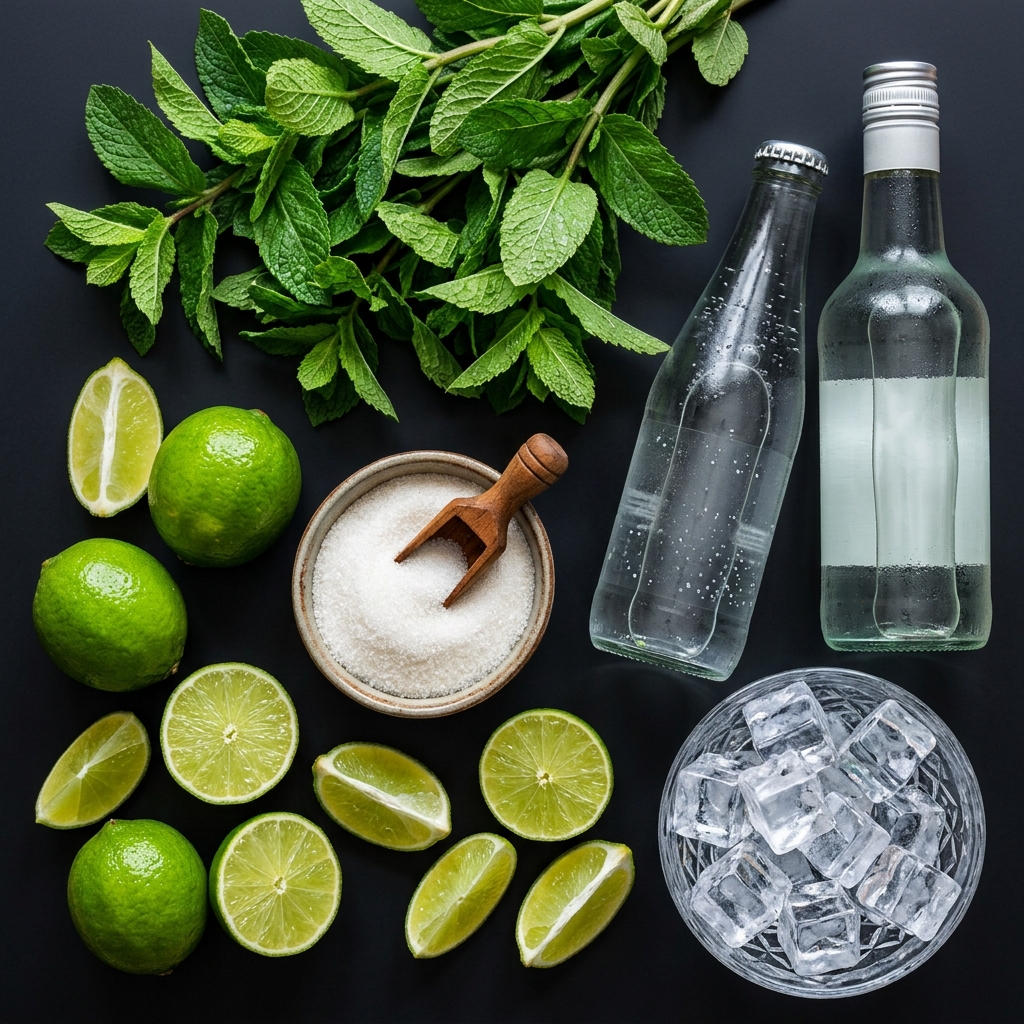
Fresh Mint Leaves
Fresh mint is one of the defining ingredients in a mojito, so quality matters. Look for leaves that are vibrant green, fragrant, and free from dark or wilted spots.
You will use the mint not only for flavor but also for aroma. A gentle muddling technique releases the mint’s oils without destroying the leaves. Avoid aggressively crushing the mint, because excessive muddling can release bitter or grassy flavors.
Fresh Lime
Fresh lime juice gives the mojito its signature citrus brightness. Bottled lime juice can be convenient, but freshly squeezed lime makes a noticeable difference in both flavor and aroma.
Use ripe, juicy limes whenever possible. Before cutting them, gently roll each lime on the countertop with the palm of your hand. This helps loosen the internal membranes and can make squeezing easier.
Fresh lime wedges also make an attractive garnish and add another layer of citrus aroma to the finished drink.
White Rum
A classic mojito traditionally uses white rum because its clean, relatively light character allows the lime and mint to remain prominent.
There is no need to use an expensive aged rum for this particular cocktail. Choose a good-quality white rum with a clean flavor that you enjoy drinking. Since the cocktail contains relatively few ingredients, avoid choosing a rum with a harsh or unpleasant finish.
Granulated Sugar
Sugar balances the acidity of the lime and rounds out the flavor of the rum and mint. Traditional mojitos commonly use granulated sugar, which can be muddled with the lime and mint to help dissolve it.
If your sugar does not dissolve completely, a small amount of the liquid can help incorporate it. The goal is a balanced drink rather than a noticeably sugary one.
Sparkling Water
Sparkling water gives the mojito its refreshing lift and delicate fizz. Use chilled sparkling water or club soda for the best result.
Add it toward the end of preparation so you preserve as much carbonation as possible. Stir gently after adding it rather than vigorously mixing the drink.
Ice
Ice is essential to a good mojito. Plenty of fresh ice keeps the cocktail cold while slightly diluting the mixture, helping bring the flavors into balance.
Crushed ice is traditional and creates a wonderfully chilled, refreshing drink. Cubed ice can also work if that is what you have available.
How to Make a Classic Mojito Cocktail
Step 1: Prepare the Mint
Pick through the mint leaves and discard any wilted or damaged leaves. Rinse them gently under cool water and pat them dry.
Place the mint into a sturdy glass. Give the leaves a very gentle press with a muddler. You are not trying to pulverize them. The purpose is simply to release their fragrant oils.
This small detail makes a major difference. When mint is aggressively smashed, it can produce a muddled, bitter flavor. Gentle pressure gives you the fresh, cooling aroma you want.
Step 2: Add the Lime and Sugar
Add freshly squeezed lime juice and granulated sugar to the glass.
Stir gently to help the sugar begin dissolving into the lime juice. If you are using lime wedges as well, you can add them at this stage and press them lightly to release some additional juice and citrus oils.
Do not completely pulverize the lime peel. Excessive pressure on the peel can introduce too much bitterness.
Step 3: Add the White Rum
Pour the white rum into the glass and stir gently.
At this point, you should already notice the characteristic mojito aroma developing. The fresh lime should provide a lively citrus scent, while the mint adds a cool herbal note behind it.
Give the mixture a taste if desired. If it seems too tart, a little additional sugar can balance it. If it tastes overly sweet, a touch more lime can bring it back into balance.
Step 4: Fill the Glass With Ice
Fill the glass generously with crushed ice.
A well-chilled mojito should have plenty of ice rather than only a few cubes floating in the drink. The cold temperature is an important part of the cocktail’s refreshing character.
If you are using a highball glass, crushed ice also helps distribute the mint and lime throughout the drink while creating an attractive, full appearance.
Step 5: Add the Sparkling Water
Slowly pour chilled sparkling water over the ice.
Leave a little room at the top of the glass so the drink does not overflow and so you can finish it with an attractive garnish.
The sparkling water should be added near the end because vigorous mixing after carbonation has been introduced can cause the drink to lose its lively fizz.
Step 6: Give It a Gentle Stir
Use a long cocktail spoon or similar utensil to gently stir the mojito from the bottom upward.
This helps distribute the lime, sugar, rum, mint, and sparkling water without unnecessarily disturbing the carbonation.
Do not shake a mojito after adding sparkling water. Shaking a carbonated drink can create excessive pressure and will quickly flatten the drink.
Step 7: Garnish and Serve Immediately
Finish the cocktail with fresh mint and a lime wheel or lime wedge.
For the best aroma, gently clap or rub the mint garnish between your palms before placing it near the top of the glass. This releases some of its fragrant oils, allowing the mint aroma to reach your nose before you take your first sip.
Serve immediately while the drink is intensely cold and fizzy.
The Secret to a Better Mojito
The biggest difference between an ordinary mojito and an exceptional one often comes down to balance. It is tempting to think of the recipe as a simple list of ingredients, but a professional approach treats the cocktail as a relationship between sweetness, acidity, alcohol, freshness, dilution, and carbonation.
Start with fresh lime and mint, then adjust the sweetness according to the tartness of your particular limes. Not every lime has exactly the same acidity or amount of juice, so following measurements blindly is not always the best approach. Taste is your final guide. A great mojito should taste refreshing and lively, with no single ingredient overpowering the others.
There is also an important difference between releasing mint flavor and destroying mint leaves. Gentle muddling is enough to awaken the oils. You want the drink to smell beautifully minty without becoming bitter or grassy. This technique may seem like a small detail, but it is one of the easiest ways to make a homemade mojito taste noticeably more refined.
Classic Mojito Variations
The traditional mojito is delicious as written, but the basic formula is flexible enough to inspire several refreshing variations.
Strawberry Mojito
Add fresh strawberries along with the lime and mint for a fruity variation. Gently muddle the strawberries so they release their juices without turning the drink into a completely smooth puree.
The natural sweetness of strawberries pairs beautifully with lime and mint, making this version particularly appealing during warm-weather gatherings.
Pineapple Mojito
Fresh pineapple adds tropical sweetness and acidity. Use small pieces of ripe pineapple or a modest amount of fresh pineapple juice.
Because pineapple is naturally sweet, you may need less added sugar than you would in the classic recipe.
Mango Mojito
Mango creates a richer, fruit-forward mojito with a beautiful golden color. Use ripe mango for the best flavor and blend or muddle it carefully.
Keep the lime prominent so the cocktail does not become overly sweet or heavy.
Cucumber Mojito
For an especially crisp and refreshing variation, add thin slices of fresh cucumber. Cucumber complements both mint and lime and gives the drink a clean, cooling character.
This version is particularly good when you want something lighter and more herbaceous.
Sugar-Free Mojito
If you are trying to reduce added sugar, replace the granulated sugar with a suitable sugar-free sweetener.
Keep in mind that changing the sweetener can alter the texture and flavor of the cocktail. Adjust gradually rather than adding the full amount at once.
Expert Tips for the Best Mojito
Use fresh ingredients whenever possible. Fresh lime juice and fresh mint are not minor upgrades—they are central to the character of the cocktail.
Do not over-muddle the mint. A few gentle presses are enough. Crushing the leaves aggressively can make the drink taste bitter.
Chill your ingredients. Cold sparkling water, chilled rum, and plenty of fresh ice help produce a more refreshing final cocktail.
Taste before serving. Lime varies in acidity, and individual preferences for sweetness differ. Adjust the balance before adding the final garnish.
Add sparkling water last. This preserves the carbonation and keeps the cocktail lively.
Use plenty of ice. A warm, under-iced mojito will not have the same crisp, refreshing quality as one served properly chilled.
Serve immediately. Mojitos are at their best when freshly prepared because the mint is aromatic and the sparkling water is still lively.
Keep the garnish fresh. A bright green mint sprig and fresh lime wedge make the drink look considerably more appealing while contributing to its aroma.
What to Serve With a Classic Mojito Cocktail
A mojito’s bright citrus and mint flavors make it especially versatile alongside food. Its refreshing character works beautifully with dishes that have grilled, spicy, tropical, or savory flavors.
Grilled Foods
Grilled chicken, grilled shrimp, grilled fish, and vegetable skewers are excellent choices. The acidity of the lime helps cut through richer grilled flavors while the mint keeps the pairing refreshing.
Tacos and Mexican-Inspired Foods
Fish tacos, shrimp tacos, chicken tacos, fresh salsa, guacamole, and tortilla chips all pair naturally with a mojito. The citrus and carbonation can help cleanse the palate between bites.
Fresh Salads
A crisp salad with cucumber, avocado, tomatoes, herbs, or citrus-based dressing complements the fresh ingredients in the cocktail.
Spicy Dishes
Mojitos can also be a pleasant match for moderately spicy foods. The cold, fizzy character of the drink provides a refreshing contrast to chili-forward dishes.
Light Appetizers
Fresh bruschetta, shrimp appetizers, fruit platters, vegetable bites, and light cheese boards can all work well when serving mojitos at a gathering.
A Small Detail That Makes a Big Difference
When preparing a mojito for guests, resist the urge to make a large batch too far in advance. The mint, ice, and carbonation are delicate elements, and they are responsible for much of the cocktail’s appeal. Preparing the fresh lime and mint ahead of time is helpful, but the final mixing should happen close to serving time.
For a gathering, you can make the non-carbonated base in advance and keep it chilled. Add fresh ice and sparkling water just before serving. This approach gives you the convenience of preparation without sacrificing the lively character that makes a mojito special.
The same principle applies to individual drinks. Take a few extra seconds to build the cocktail carefully rather than simply pouring everything together. Those small choices—fresh lime, gently handled mint, cold sparkling water, plenty of ice, and proper balance—are what transform a basic rum cocktail into a genuinely memorable Classic Mojito Cocktail.
How to Store a Classic Mojito Cocktail
A Classic Mojito Cocktail is best enjoyed immediately after it is prepared. The combination of fresh mint, lime, ice, and sparkling water is at its peak when freshly assembled. Over time, the ice melts, the carbonation fades, and the mint can become less vibrant.
If you have leftover mojito, transfer the liquid to an airtight container or sealed bottle and refrigerate it. However, remove the ice and fresh mint garnish first. Keeping mint submerged in the cocktail for a long period can cause the flavor to become overly strong or slightly bitter.
For the best quality, consume leftover mojito within a day. Before serving, taste it and adjust with fresh lime, a little sweetener, or fresh sparkling water if necessary. Add fresh ice and a new mint garnish rather than reusing the original garnish.
Can You Freeze Mojito?
It is generally not recommended to freeze a fully prepared mojito because the carbonation will be lost and the texture and flavor can change considerably.
However, you can freeze fresh lime juice in small portions for future cocktails. You can also freeze lime wedges, although freshly cut lime generally provides the best aroma and appearance.
Fresh mint is best used shortly after purchase, but it can be preserved temporarily by wrapping the stems in a damp paper towel and storing the bunch in the refrigerator.
Frequently Asked Questions
What is a Classic Mojito made of?
A traditional mojito is made with white rum, fresh lime juice, fresh mint, sugar, sparkling water, and ice. Lime and mint provide the characteristic fresh flavor, while sugar balances the acidity and white rum supplies the alcoholic base.
Should I use crushed ice or cubed ice for a mojito?
Crushed ice is traditionally preferred because it chills the drink quickly and creates the classic mojito appearance. It also encourages a little dilution, which can help bring the flavors together. However, regular ice cubes work perfectly well if crushed ice is not available.
How do I keep my mojito from becoming too watery?
Start with plenty of cold ice and serve the cocktail soon after preparation. Avoid allowing the drink to sit for an extended period. Using chilled ingredients also helps because the cocktail reaches a refreshing temperature more quickly without relying entirely on melting ice.
Why does my mojito taste bitter?
The most common reason is over-muddling the mint or lime peel. Mint should be gently pressed rather than aggressively crushed. Likewise, avoid grinding the lime peel excessively, because the peel contains bitter compounds that can overpower the bright citrus flavor.
Can I make a mojito without alcohol?
Yes. You can easily turn a mojito into a refreshing mocktail by leaving out the rum. Increase the amount of sparkling water if needed and adjust the lime, mint, and sweetener to taste. This is often called a virgin mojito or mojito mocktail.
Can I make a mojito less sweet?
Absolutely. Start with less sugar than the recipe calls for and add more only if necessary. Because the acidity of fresh limes varies, tasting the mixture before adding the sparkling water is the easiest way to control the sweetness.
What type of rum is best for a mojito?
A clean white rum is the traditional choice. You do not necessarily need a premium or aged rum because the cocktail is designed around fresh lime, mint, sweetness, and carbonation. Choose a white rum with a smooth flavor that you enjoy.
Can I use bottled lime juice?
You can, but fresh lime juice is strongly recommended. Freshly squeezed lime provides brighter acidity and a more natural citrus aroma. Since a mojito contains relatively few ingredients, the difference is particularly noticeable.
Can I prepare mojitos ahead of time for a party?
You can prepare the non-carbonated base ahead of time, but it is better to add sparkling water, ice, and fresh garnish shortly before serving. This preserves the fizz and keeps the mint tasting fresh.
How to Make Mojitos for a Crowd
If you are serving a group, making individual mojitos can become time-consuming. A simple solution is to prepare a larger quantity of the rum, lime, and sweetener mixture in advance.
Combine those ingredients in a chilled pitcher and refrigerate it until your guests arrive. Keep the mint separate if possible. When it is time to serve, add fresh mint to each glass, fill the glasses with ice, pour in the prepared mixture, and finish with chilled sparkling water.
This method gives you much more control over the final drink than preparing the entire batch hours ahead of time.
Another useful approach is to prepare a small amount of mint-infused syrup instead of muddling large quantities of mint individually. This can make service faster, although purists may prefer the freshness and aroma of traditionally muddled mint.
For the most authentic homemade experience, however, freshly muddling the mint in each glass remains hard to beat.
How to Adjust the Mojito to Your Taste
One of the most valuable cocktail skills you can develop is learning how to adjust a drink instead of assuming every recipe must taste exactly the same.
If your mojito tastes too tart, add a small amount of sugar or simple syrup.
If it tastes too sweet, add a little more fresh lime juice.
If it tastes too strong, add a little more sparkling water and ice.
If it tastes too weak, make sure you have not added excessive ice or sparkling water, and check that your rum measurement is accurate.
If it tastes flat, use freshly opened sparkling water and serve the drink immediately.
If the mint flavor is too harsh, you may have muddled the leaves too aggressively. For your next mojito, use much lighter pressure.
This ability to taste and adjust is what separates simply following a recipe from actually understanding how a cocktail works.
Nutrition and Dietary Considerations
A traditional mojito contains carbohydrates primarily from the added sugar and naturally occurring sugars in the lime. The exact nutritional values depend on the quantities of rum, sugar, lime juice, and sparkling water used.
A standard mojito is naturally vegetarian and vegan, assuming the individual ingredients used are compatible with those diets. It is also generally gluten-free, as the traditional ingredients do not inherently contain gluten.
However, a traditional mojito is not generally considered keto-friendly or low-carb because of the added sugar. If you are following a low-carbohydrate or ketogenic eating pattern, you can adapt the recipe by using an appropriate zero-sugar sweetener.
Remember that alcoholic beverages themselves may also be restricted or avoided depending on an individual’s dietary goals, health needs, or personal preferences.
Why Fresh Mint Matters So Much
Mint may look like a simple garnish, but in a mojito it is much more than decoration. Aroma plays a major role in how we perceive flavor, and fresh mint reaches the nose before the drink even touches the palate.
That is why a fresh mint garnish positioned near the top of the glass can make the cocktail seem even more refreshing. Every time you lift the glass, you get a burst of mint aroma that prepares your palate for the drink.
For the best result, choose mint with firm stems and vibrant leaves. Avoid bunches that look wilted, dark, or dry. If you are buying mint specifically for cocktails, fresh and aromatic leaves are far more valuable than a large quantity of tired-looking mint.
Common Mojito Mistakes to Avoid
Using Too Much Sugar
A mojito should be refreshing rather than syrupy. Too much sugar can hide the acidity of the lime and make the drink feel heavy.
Start conservatively and adjust after tasting.
Crushing the Mint
More muddling does not necessarily mean more flavor. Aggressively crushed mint can produce undesirable bitterness.
Gentle pressure is enough.
Using Warm Sparkling Water
Warm soda water will not give you the same crisp, refreshing finish. Keep it refrigerated until you are ready to use it.
Forgetting Dilution
Ice is not simply there to make the cocktail cold. As it melts, it contributes water that helps integrate the rum, lime, sugar, and mint.
Making It Too Far Ahead
The longer a mojito sits, the more carbonation disappears and the more the ice dilutes the drink. Whenever possible, assemble it close to serving time.
Neglecting the Garnish
A garnish is not merely decorative. Fresh mint and lime contribute aroma and reinforce the flavors already present in the drink.
The Best Way to Serve a Mojito
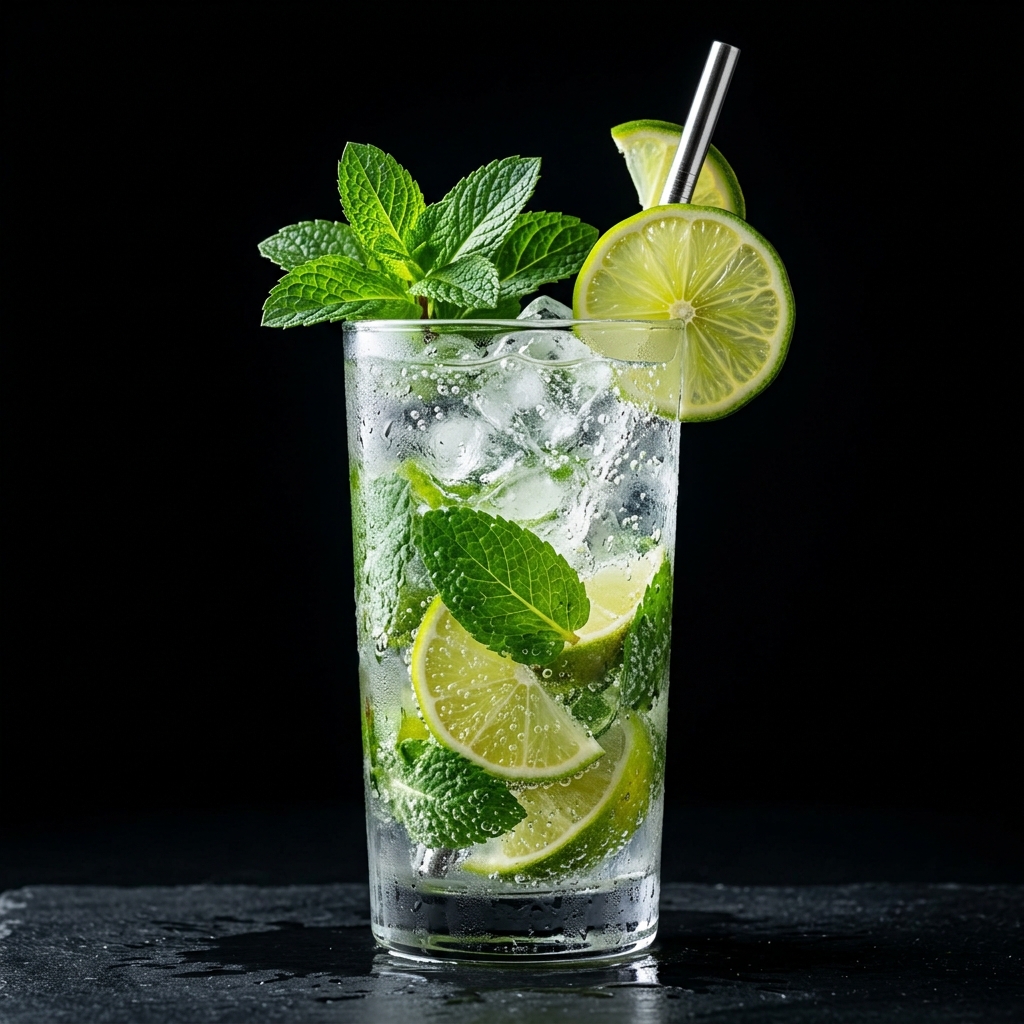
Presentation can make a simple cocktail feel dramatically more special. A modern highball glass gives the mojito plenty of room for crushed ice, mint, lime, and sparkling water while showcasing the drink’s fresh ingredients.
Fill the glass generously with ice and keep the mint garnish vibrant and upright. A lime wheel or wedge adds a bright visual contrast against the green mint and clear, sparkling drink.
For entertaining, serve the cocktails immediately after garnishing. The combination of condensation on the glass, fresh mint, bright lime, and sparkling liquid creates the classic refreshing appearance people associate with a beautifully prepared mojito.
A Simple Formula for Remembering the Recipe
If you make mojitos regularly, you do not always need to memorize every measurement. Think about the cocktail in terms of five essential components:
Rum for the spirit.
Lime for acidity.
Sugar for balance.
Mint for aroma and freshness.
Sparkling water for lift and dilution.
Then add plenty of ice and adjust the proportions according to your taste.
This formula makes it much easier to improvise when you are cooking for friends, preparing drinks at a gathering, or simply making yourself a refreshing cocktail at the end of the day.
Classic Mojito Cocktail
Ingredients
Equipment
Method
- Add the fresh mint leaves and sugar to a sturdy highball glass.
- Pour in the freshly squeezed lime juice and gently muddle the mint for a few seconds. Do not crush the leaves aggressively.
- Add the white rum and stir gently until the sugar is mostly dissolved.
- Fill the glass generously with crushed ice.
- Slowly pour the chilled sparkling water over the ice.
- Gently stir from the bottom upward to combine the ingredients while preserving the carbonation.
- Add a fresh mint sprig and lime wheel or wedge for garnish.
- Serve immediately while the mojito is cold, fresh, and fizzy.
Notes
Muddle the mint gently to release its aromatic oils without creating bitterness.
Adjust the sugar according to the tartness of your limes and your preferred sweetness.
Add sparkling water last and stir gently to preserve the fizz.
Crushed ice is traditional, but regular ice cubes can also be used.
For a lower-carb version, replace the sugar with an appropriate zero-sugar sweetener.
For a non-alcoholic version, omit the rum and add extra sparkling water to taste.
For the best flavor and carbonation, prepare and serve the mojito immediately.

Hi, I’m Clara, the creator of Barakala. I love sharing simple, comforting, and delicious recipes that make everyday cooking easier and more enjoyable for home cooks.