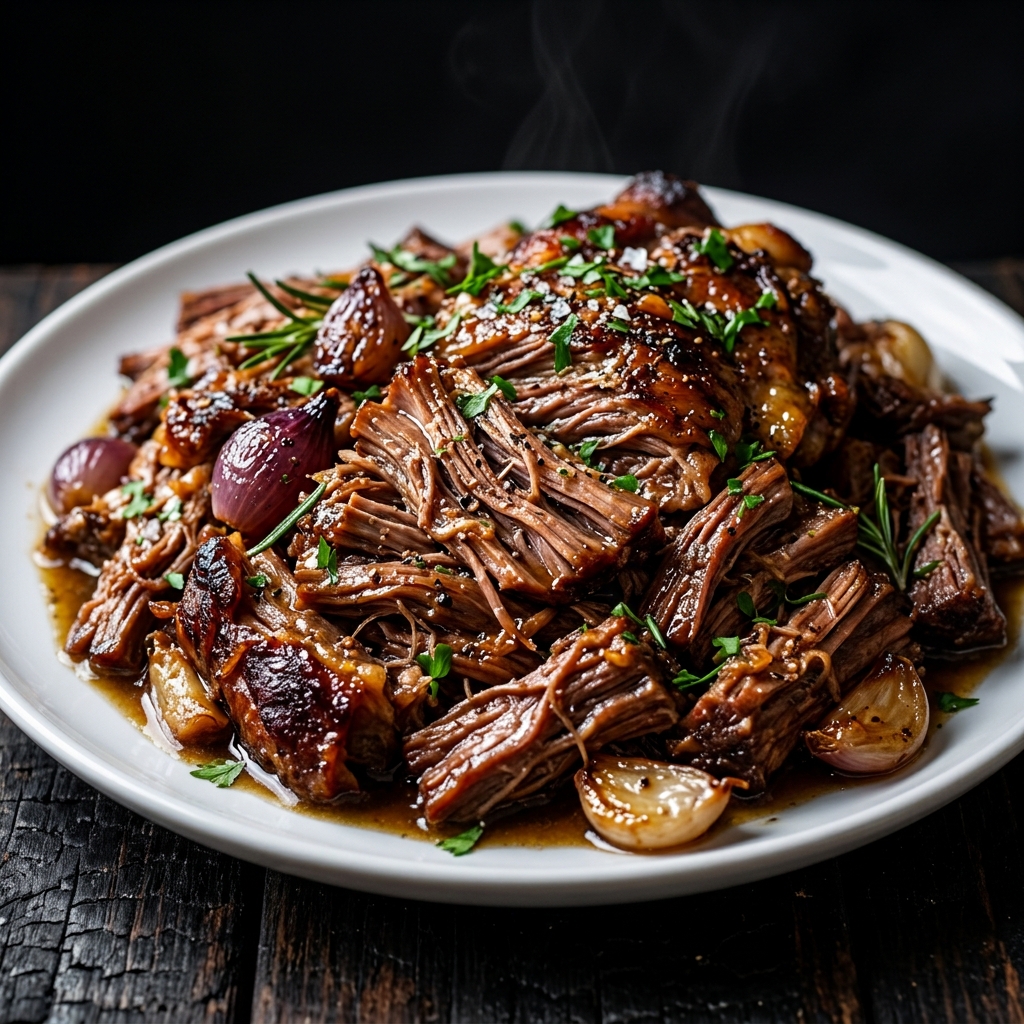
Few things are more satisfying than lifting the lid of a slow cooker to find lamb so tender that it practically falls apart at the touch of a fork. This slow cooker pulled lamb is rich, juicy, deeply savory, and surprisingly simple to make, turning an affordable, hardworking cut of lamb into an unforgettable dinner with very little hands-on effort.
Ingredients You’ll Need
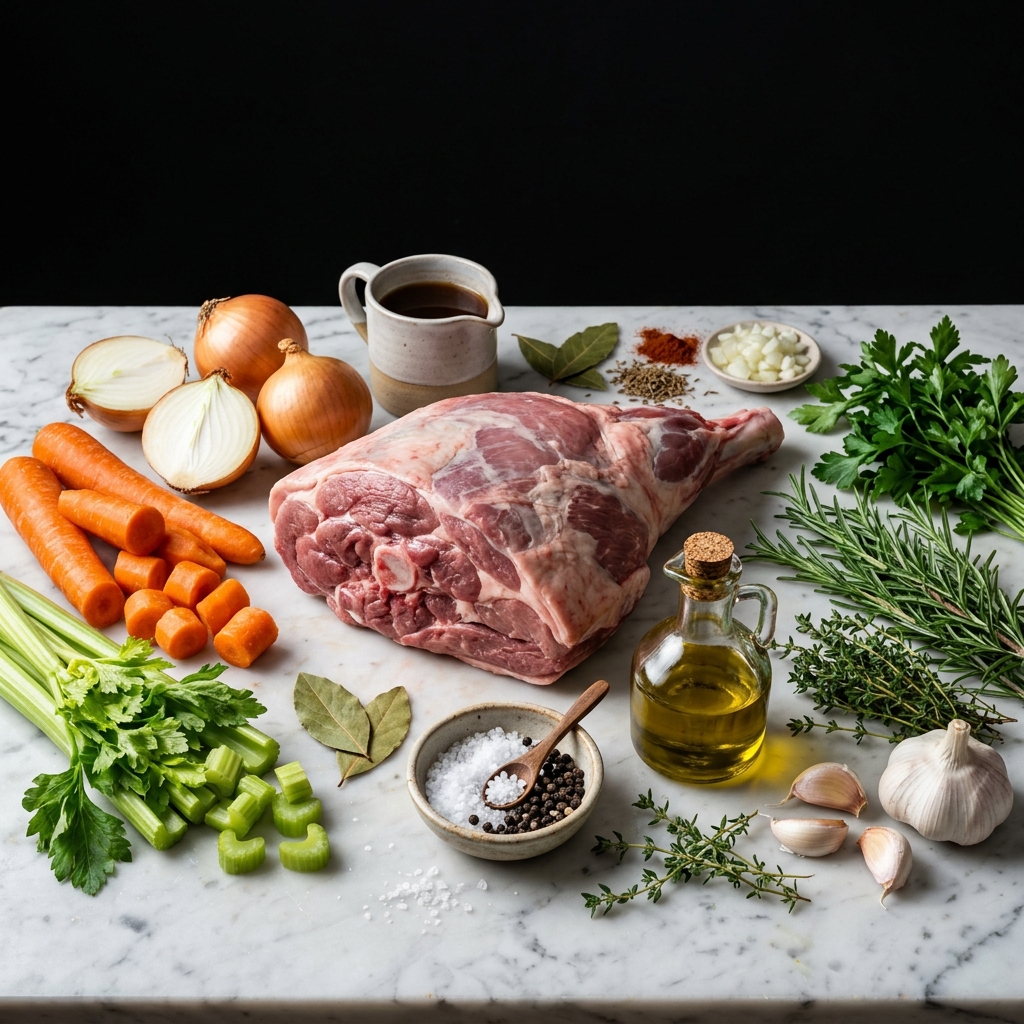
Lamb Shoulder
For the best pulled lamb, choose a boneless or bone-in lamb shoulder with some visible fat. Lamb shoulder is particularly well suited to slow cooking because it contains enough connective tissue and fat to remain juicy during a long cooking period.
A boneless lamb shoulder is convenient because it is easy to portion and shred after cooking. A bone-in shoulder can provide excellent flavor and may become exceptionally tender, although you will need to remove the bone before serving.
Avoid extremely lean cuts if possible. Lean lamb can become dry when cooked for several hours, whereas a well-marbled shoulder has the richness needed for succulent pulled meat.
Garlic
Fresh garlic adds a warm, savory depth that pairs beautifully with lamb. Whole cloves can be crushed or roughly chopped before adding them to the slow cooker.
For a more pronounced garlic flavor, use several fresh cloves rather than relying entirely on garlic powder.
Onion
Yellow or white onion forms part of the aromatic base. As it cooks slowly with the lamb, it softens and releases natural sweetness into the cooking liquid.
You can slice the onion fairly thickly because it will become very soft during the long cooking process.
Fresh Rosemary
Rosemary and lamb are a classic combination for good reason. Its fragrant, slightly pine-like flavor cuts through the richness of the meat and gives the finished dish a distinctly savory character.
Fresh rosemary is ideal, although dried rosemary can work when fresh herbs are unavailable.
Fresh Thyme
Thyme contributes a subtle earthy and herbal note without overpowering the lamb. Fresh thyme works particularly well alongside rosemary and garlic.
Carrots and Celery
Carrots and celery are not absolutely essential, but they make an excellent aromatic foundation. They add depth and subtle sweetness to the cooking liquid while helping create a more flavorful base for the lamb.
Lamb or Beef Stock
A good-quality stock provides moisture and helps create the flavorful juices surrounding the lamb. Lamb stock is an obvious choice, but beef or even chicken stock can also work.
Be careful with heavily salted stock because the amount of salt you need to add separately will depend on the stock you use.
Olive Oil
A small amount of olive oil helps coat the lamb and carries the seasoning across the surface. If your lamb shoulder already has plenty of natural fat, you do not need a large amount.
Salt and Black Pepper
Do not underestimate these simple seasonings. Properly seasoning the lamb before cooking helps bring out its natural flavor.
Freshly ground black pepper is particularly good with rich lamb because its mild heat and aroma balance the meat.
Optional Seasonings
Depending on the flavor profile you want, you can also add smoked paprika, ground cumin, coriander, dried oregano, chili flakes, or a small amount of Worcestershire sauce.
These additions can shift the finished dish from a classic herb-and-garlic lamb toward something warmer, smokier, or more Mediterranean-inspired.
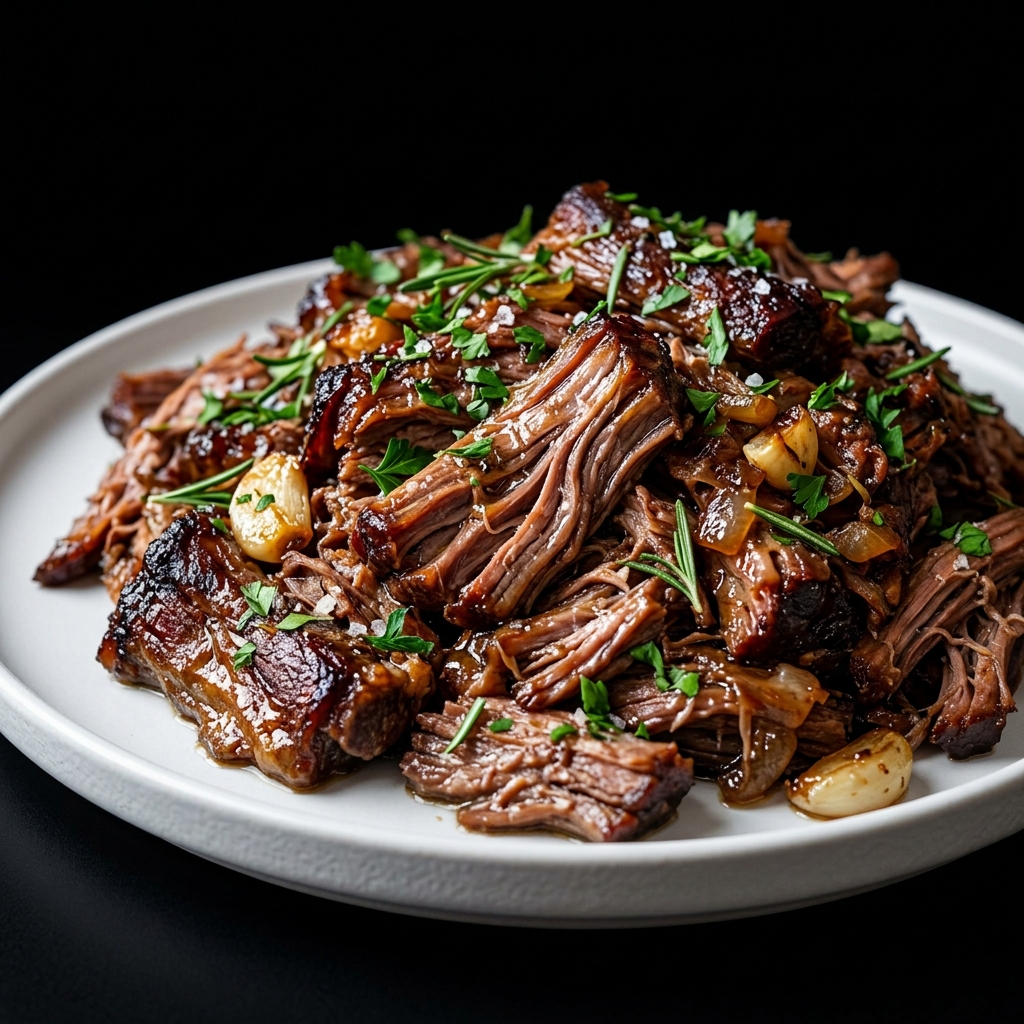
How to Make Slow Cooker Pulled Lamb
1. Prepare the Lamb
Start by taking the lamb shoulder out of the refrigerator and patting it thoroughly dry with paper towels. Removing excess surface moisture helps the seasonings adhere properly and makes it easier to brown the meat if you choose to sear it.
Generously season every side with salt and freshly ground black pepper.
If the lamb has a particularly thick layer of fat, trim away only the excess. You do not need to remove all the fat because some of it will render during cooking and contribute valuable flavor and moisture.
2. Sear the Lamb for Extra Flavor
Although you can put the seasoned lamb directly into the slow cooker, I strongly recommend searing it first when you have the time.
Heat a large skillet or heavy frying pan over medium-high heat and add a small amount of olive oil. Once hot, place the lamb into the pan and brown it on all major sides.
You are not trying to cook the lamb through at this stage. The purpose is to develop a deeply browned exterior.
Those browned bits created during searing are packed with flavor and can make the finished dish taste much more complex. If you are preparing this recipe on a particularly busy day, however, you can skip this step and still achieve tender pulled lamb.
3. Build the Aromatic Base
Place the sliced onion, carrots, celery, garlic, rosemary, and thyme into the bottom of your slow cooker.
Position the lamb shoulder on top of the vegetables.
Keeping the lamb elevated slightly above the vegetables allows the cooking juices to circulate around it while the vegetables slowly soften underneath.
4. Add the Cooking Liquid
Pour the stock around the lamb rather than directly over the top.
This helps preserve some of the seasoning and browned exterior on the surface of the meat while still providing enough moisture for the slow cooking process.
You do not need to completely submerge the lamb. A slow cooker is a moist cooking environment, and the lamb will release additional juices as it cooks.
5. Slow Cook Until Tender
Cover the slow cooker with its lid and cook the lamb on LOW for approximately 8 hours, or until it is exceptionally tender and pulls apart easily with a fork.
Depending on the size and shape of the lamb shoulder, your slow cooker, and the starting temperature of the meat, cooking time can vary.
The most important indicator is tenderness rather than the clock.
If you insert a fork into the thickest part of the lamb and it resists strongly, it needs more time. When the meat is ready, the fibers should separate easily without requiring significant force.
6. Rest the Lamb
Once the lamb is tender, carefully transfer it to a large plate or cutting board.
Let it rest for around 10 to 15 minutes before shredding.
This brief resting period gives the juices an opportunity to settle back into the meat. It also makes the lamb easier and safer to handle.
7. Shred the Lamb
Use two forks to pull the lamb apart into large, tender strands.
Remove any large pieces of excess fat, gristle, bones, or tough connective tissue as you shred.
Do not shred the meat too finely. Leaving some larger pieces gives the finished dish a much more appealing texture and prevents it from becoming mushy.
For especially juicy pulled lamb, return some of the shredded meat to the slow cooker and toss it with the strained cooking juices.
The Secret to Exceptionally Tender Pulled Lamb
The biggest mistake people make with slow-cooked lamb is assuming that a certain number of hours automatically means the meat is finished.
Slow cooking is less about following the clock blindly and more about understanding what is happening inside the meat.
Lamb shoulder contains connective tissue that needs time to break down. As it cooks slowly, that connective tissue gradually softens and transforms, allowing the meat fibers to become tender. If you check the lamb after several hours and it still feels tough, that does not necessarily mean you have ruined it. In many cases, it simply needs more cooking time.
There is also an important difference between cooked and tender enough to pull. Lamb can reach a safe internal temperature before it reaches the soft, shreddable texture you want. For pulled lamb, tenderness is the real goal.
Another secret is resisting the temptation to keep lifting the lid. Every time the lid is removed, heat escapes and the cooking environment changes. Keep the lid closed as much as possible and let the slow cooker maintain a steady temperature.
What Makes the Flavor So Good?
The magic of this recipe comes from layering relatively simple ingredients rather than relying on one overpowering seasoning.
Lamb provides a naturally rich, distinctive flavor. Garlic adds savory intensity, onion contributes sweetness, rosemary and thyme bring freshness, while stock creates a flavorful environment around the meat.
If you sear the lamb first, you also introduce a deeper roasted flavor through browning. As the lamb slowly cooks, its natural juices combine with the aromatics and stock, creating a cooking liquid that can be spooned back over the shredded meat.
This is why the cooking juices should not be treated as an afterthought. Once the lamb has been removed, taste the liquid. If it seems too thin or mild, you can strain it and reduce it in a saucepan to concentrate the flavor. You can then spoon the concentrated juices over the shredded lamb just before serving.
Delicious Variations to Try
One of the best things about pulled lamb is how easily the basic recipe can be adapted.
Mediterranean-Style Pulled Lamb
For a brighter Mediterranean-inspired version, add oregano, lemon zest, garlic, rosemary, and thyme. After shredding, finish the lamb with a little fresh lemon juice and chopped parsley.
Serve it with warm flatbread, cucumber, tomatoes, red onion, and a creamy yogurt sauce.
Smoky Pulled Lamb
For a deeper, barbecue-inspired flavor, season the lamb with smoked paprika, garlic powder, onion powder, black pepper, and a small amount of cumin.
After shredding, toss the lamb with some of its cooking juices and serve it in toasted buns with crunchy slaw.
Spiced Pulled Lamb
If you enjoy warmer flavors, add ground cumin, coriander, paprika, a pinch of cinnamon, and a little chili powder.
This version is especially good served with couscous, rice, flatbreads, roasted vegetables, or a fresh herb salad.
Garlic and Herb Pulled Lamb
Keep things classic by emphasizing fresh garlic, rosemary, thyme, parsley, black pepper, and a little lemon.
This version allows the natural flavor of the lamb to remain the star of the dish and is particularly good for a traditional family dinner.
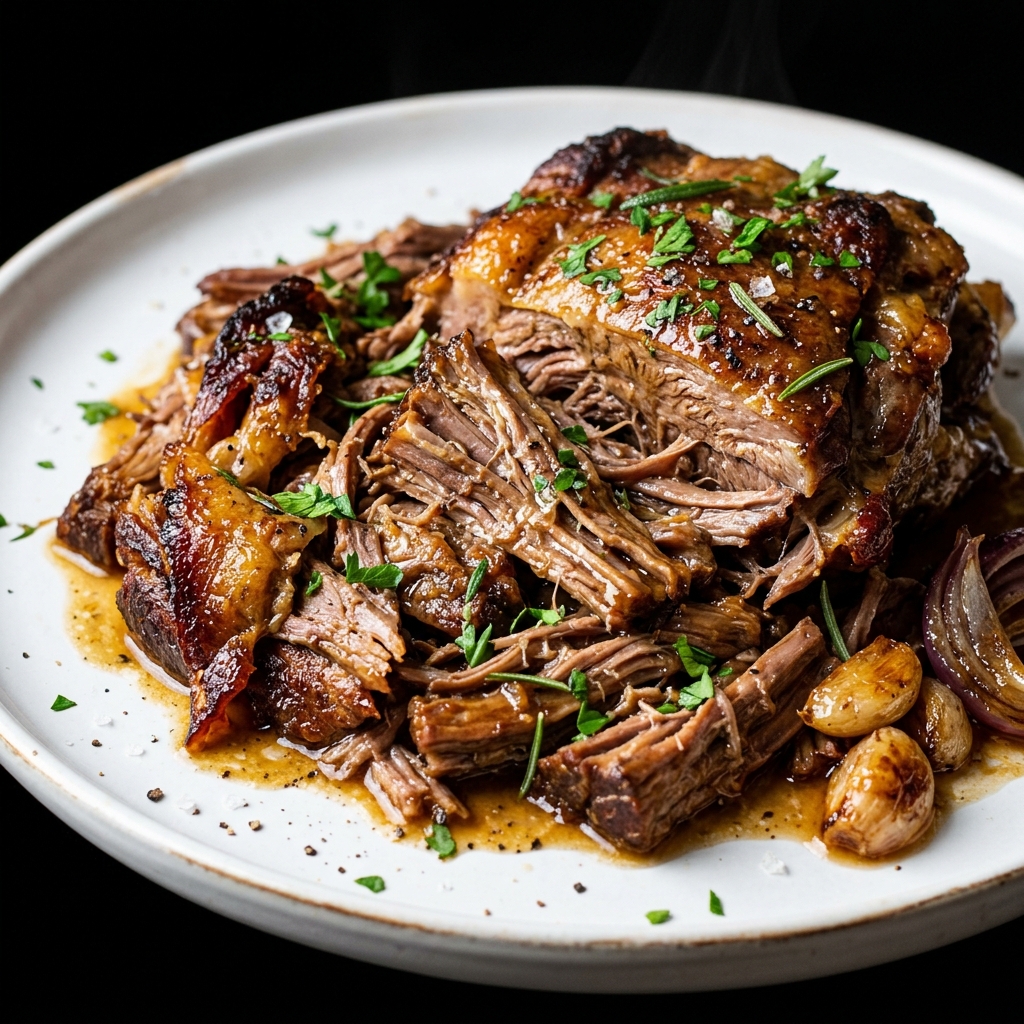
Expert Tips for the Best Slow Cooker Pulled Lamb
Choose the right cut. Lamb shoulder is one of the best choices because its fat and connective tissue are suited to long, slow cooking.
Do not drown the lamb in liquid. A slow cooker traps moisture, and the lamb will release its own juices. Too much liquid can dilute the flavor and leave you with a less concentrated cooking broth.
Sear when possible. Browning the lamb first is an extra step, but it creates a more developed flavor and a beautiful savory crust.
Season generously. A large piece of meat needs enough seasoning to flavor the entire portion, not just its exterior.
Keep the lid closed. Slow cookers depend on maintaining a stable cooking temperature. Repeatedly opening the lid can extend the cooking time.
Let tenderness determine when it is finished. The lamb should pull apart effortlessly. If it is still chewy or resistant, give it more time.
Save the cooking juices. They contain concentrated lamb, herb, garlic, and vegetable flavor. Tossing the shredded meat with some of those juices can take the final dish from good to exceptionally succulent.
Do not shred too early. Allowing the lamb to rest briefly before pulling it apart makes handling easier and helps retain its juices.
Taste before serving. Once the lamb is shredded and mixed with its juices, taste it and adjust the salt, pepper, lemon juice, herbs, or other seasonings as needed.
Think beyond dinner. Leftover pulled lamb can become the starting point for an entirely different meal, which makes this recipe especially useful for meal planning.
The beauty of this recipe is that the same tender lamb can become several completely different meals depending on how you serve it. A simple plate of pulled lamb with mashed potatoes feels like classic comfort food, while the same meat tucked into warm flatbread with fresh vegetables becomes a completely different dining experience.
And there is one more detail that can make a surprisingly big difference: what you do with the cooking juices after the lamb is shredded. Rather than simply discarding them, treating those juices properly can add another layer of concentrated flavor and give the finished lamb that glossy, restaurant-quality finish that keeps everyone reaching for another serving.
How to Get the Most Flavor From the Cooking Juices
Once the lamb is removed from the slow cooker, do not immediately pour those flavorful juices down the sink. They are one of the most valuable parts of the recipe.
Start by carefully straining the cooking liquid to remove the softened vegetables, herb stems, and other solids if you want a smooth finishing sauce. Taste the liquid and determine whether it needs additional seasoning.
If the juices taste rich and flavorful but seem a little thin, transfer them to a saucepan and simmer them over medium heat for several minutes. As some of the water evaporates, the flavor becomes more concentrated.
For an even richer finish, spoon a little of the reduced cooking liquid over the shredded lamb just before serving. You can also toss the lamb gently with some of the juices so every strand becomes lightly coated.
If there is a noticeable layer of fat on the surface, you can skim some of it away. However, do not remove every trace of fat. A small amount can contribute richness and help keep the shredded lamb moist.
Make-Ahead Options
Slow Cooker Pulled Lamb is an excellent make-ahead recipe because its flavor can actually become even more developed after resting in its cooking juices.
You can cook the lamb completely, shred it, and store it together with some of the strained cooking liquid. Refrigerate it in an airtight container and reheat it gently when you are ready to serve.
For entertaining, you can prepare the lamb a day ahead and reheat it shortly before your guests arrive. This takes much of the pressure off the cook because the main dish is already finished.
If you are preparing the lamb for a busy week, divide the leftovers into meal-sized portions before refrigerating. That makes it much easier to reheat only what you need.
You can also freeze cooked pulled lamb for longer storage. Allow it to cool properly, package it in airtight freezer-safe containers or bags, and include some of the cooking juices with each portion. The extra liquid helps protect the meat from drying out during freezing and reheating.
What to Serve With Slow Cooker Pulled Lamb
There are countless ways to serve pulled lamb, and the best side dishes depend on the flavor profile you have chosen.
Creamy Mashed Potatoes
Mashed potatoes are a natural partner for tender pulled lamb. The creamy potatoes provide a mild base that allows the rich meat and savory juices to stand out.
For an extra-special dinner, spoon the lamb and some of its cooking juices directly over the mashed potatoes.
Roasted Vegetables
Roasted carrots, potatoes, parsnips, Brussels sprouts, zucchini, or bell peppers can add color and texture to the meal.
The caramelized edges of roasted vegetables also complement the rich flavor of slow-cooked lamb.
Rice
Steamed white rice, basmati rice, brown rice, or herbed rice can turn pulled lamb into a filling and simple bowl-style meal.
Spoon some of the lamb’s juices over the rice for additional flavor.
Warm Flatbread
Warm pita, naan, or another soft flatbread is an excellent option if you want a more casual meal.
Fill the bread with pulled lamb and add fresh herbs, sliced cucumber, tomatoes, pickled onions, or a creamy yogurt-based sauce.
Fresh Salad
A crisp salad provides contrast to the richness of the lamb.
Try a simple combination of lettuce, cucumber, tomatoes, red onion, parsley, and a bright lemon-based dressing.
Coleslaw
For barbecue-style pulled lamb, creamy or vinegar-based coleslaw adds freshness and crunch.
The contrast between cool, crisp cabbage and warm, tender lamb makes every bite more interesting.
Roasted or Crispy Potatoes
Crispy roasted potatoes are another excellent choice. Their crunchy exterior and fluffy center provide a texture that contrasts beautifully with the soft pulled lamb.
Couscous
Couscous is especially good with herb- or spice-forward versions of the recipe. Add fresh parsley, lemon zest, toasted nuts, or dried fruit for a more elaborate side dish.
How to Serve Pulled Lamb for a Crowd
Pulled lamb is particularly useful when you’re feeding several people because it can be prepared in a large batch and kept warm until serving.
For a casual gathering, arrange the shredded lamb in a large serving dish and place the toppings and sides around it. Guests can build their own sandwiches, flatbreads, bowls, or plates.
For a more traditional dinner, serve the lamb family-style alongside mashed potatoes, roasted vegetables, salad, and a bowl of the warm cooking juices.
If you’re serving the lamb as sandwiches, toast the buns lightly before assembling them. A toasted surface provides a little structure and prevents the bread from becoming soggy too quickly when it comes into contact with the juicy meat.
For an attractive presentation, finish the platter with freshly chopped parsley or rosemary and a few thin slices of lemon. These simple additions add color and make the rich lamb look fresher and more inviting.
How to Store Slow Cooker Pulled Lamb
Allow leftover lamb to cool before transferring it to an airtight container.
Store the lamb in the refrigerator for approximately 3 to 4 days. Keep some of the cooking juices with the meat rather than storing the lamb completely dry.
For longer storage, freeze the pulled lamb in airtight freezer-safe containers or heavy-duty freezer bags. Portioning it before freezing makes future meals much easier.
When freezing in bags, press out as much excess air as practical before sealing. Label the container with the date so you can keep track of how long it has been stored.
How to Reheat Pulled Lamb Without Drying It Out
The biggest challenge when reheating pulled lamb is preventing the meat from becoming dry.
The easiest method is to place the desired amount of lamb in a saucepan or skillet with a few spoonfuls of its reserved cooking juices. Cover and warm gently over low to medium-low heat, stirring occasionally.
Avoid blasting the lamb over high heat. It is already cooked, so the goal is simply to bring it back to serving temperature while retaining its moisture.
You can also reheat it in the oven. Place the lamb in a covered oven-safe dish with some cooking juices and warm it gently until heated through.
For a larger batch, a slow cooker can also be used to reheat the meat on a gentle setting. Add some broth or reserved juices and stir occasionally.
Can You Freeze Pulled Lamb?
Yes, pulled lamb freezes very well when properly packaged.
For the best texture, freeze the meat with some of its cooking liquid. This helps preserve moisture and makes reheating easier.
Allow freshly cooked lamb to cool appropriately before freezing. Divide it into practical portions so you do not have to thaw the entire batch when you only need enough for one meal.
When you’re ready to use frozen pulled lamb, thaw it safely in the refrigerator and then reheat it gently with some reserved cooking liquid.
Common Mistakes to Avoid
Using a Lean Cut of Lamb
A very lean cut may not provide the same tender, juicy result as lamb shoulder. Pulled lamb benefits from a cut with enough fat and connective tissue to withstand several hours of cooking.
Adding Too Much Liquid
More liquid does not necessarily mean more moisture in the finished meat. A slow cooker naturally traps steam, and the lamb releases juices as it cooks.
Too much stock can dilute the flavors and leave you with a watery cooking liquid.
Cooking on High When You Don’t Need To
While high-temperature slow cooking can be useful in some situations, the low-and-slow method is particularly well suited to lamb shoulder when your goal is exceptionally tender meat.
Shredding Before the Lamb Is Tender
If the lamb does not pull apart easily, it probably needs more time.
Do not force the meat into shreds simply because the scheduled cooking time has passed. Put the lid back on and continue cooking until the connective tissue has softened.
Throwing Away the Juices
The cooking liquid contains valuable flavor. Even if you do not use all of it, taste it before discarding it.
Overloading the Slow Cooker
Leave enough space for heat to circulate around the ingredients. If you significantly increase the quantity of lamb, you may need to adjust the cooking time.
Frequently Asked Questions
Can I make pulled lamb without searing the meat first?
Yes. Searing is optional rather than mandatory. It adds another layer of roasted flavor and helps develop a browned exterior, but the slow cooker can still produce tender and flavorful lamb without it.
If you are short on time, season the lamb well and place it directly into the slow cooker with the aromatics and cooking liquid.
Why is my slow cooker lamb still tough?
If your lamb is cooked but still tough, it may simply need more time.
Lamb shoulder contains connective tissue that needs sufficient time to soften. Continue cooking until a fork can easily pierce and separate the meat.
Trying to pull the lamb apart before it has reached this stage will often result in chewy strands rather than tender pulled meat.
Should the lamb be completely covered with liquid?
No. The lamb does not need to be submerged.
A slow cooker traps moisture, and the lamb releases additional juices during cooking. Adding enough stock to create a flavorful cooking environment is generally sufficient.
Can I use lamb leg instead of lamb shoulder?
You can, but the result may be different.
Lamb leg is generally leaner than shoulder, while shoulder has more fat and connective tissue and is particularly suited to long, slow cooking. If you use lamb leg, pay closer attention to the texture and avoid unnecessarily overcooking it.
How do I know when pulled lamb is ready?
The best indication is tenderness.
The lamb should be easy to pierce with a fork and should separate into soft strands with very little effort. If it remains firm or chewy, continue cooking.
Can I make this recipe spicy?
Absolutely. Add chili flakes, cayenne pepper, smoked paprika, fresh chili, or another preferred chili seasoning.
For a more balanced spicy version, combine the heat with garlic, cumin, coriander, and a little acidity from lemon juice or vinegar.
What can I do with leftover pulled lamb?
Leftover pulled lamb is extremely versatile.
Use it in sandwiches, wraps, tacos, flatbreads, rice bowls, loaded potatoes, salads, pasta dishes, shepherd’s-pie-style bakes, or alongside eggs for a hearty breakfast.
You can also crisp portions of the shredded lamb in a hot skillet before serving. The crispy edges provide a fantastic contrast to the tender interior.
A Simple Way to Transform Leftovers
One of my favorite things about making a large batch of pulled lamb is that the second meal does not have to taste like a repeat of the first.
On the first night, serve the lamb with mashed potatoes and roasted vegetables for a classic comfort-food dinner.
The next day, warm some of the leftovers in a skillet until the edges become slightly crisp. Place the lamb inside warm flatbread with cucumber, tomato, herbs, pickled onions, and a creamy sauce.
Another day, serve it over rice with roasted vegetables and a fresh herb garnish.
This approach turns one slow-cooked meal into several different dishes without requiring you to start from scratch each evening.
Chef’s Final Tips for Perfect Pulled Lamb
If you want to consistently produce excellent slow cooker pulled lamb, focus on a few fundamentals rather than complicated techniques.
Start with a suitable cut, season the lamb generously, and sear it when time allows. Use enough aromatics to build a flavorful base, but avoid drowning the meat in stock.
Most importantly, give the lamb enough time to become genuinely tender. Slow cooking rewards patience.
Once the meat is ready, let it rest briefly before shredding it. Keep the cooking juices, taste them, and use them to restore moisture and flavor to the shredded lamb.
And remember that presentation matters. Even a simple homemade meal becomes more inviting when the lamb is arranged generously on a serving platter, finished with fresh herbs, and accompanied by colorful vegetables or vibrant side dishes.
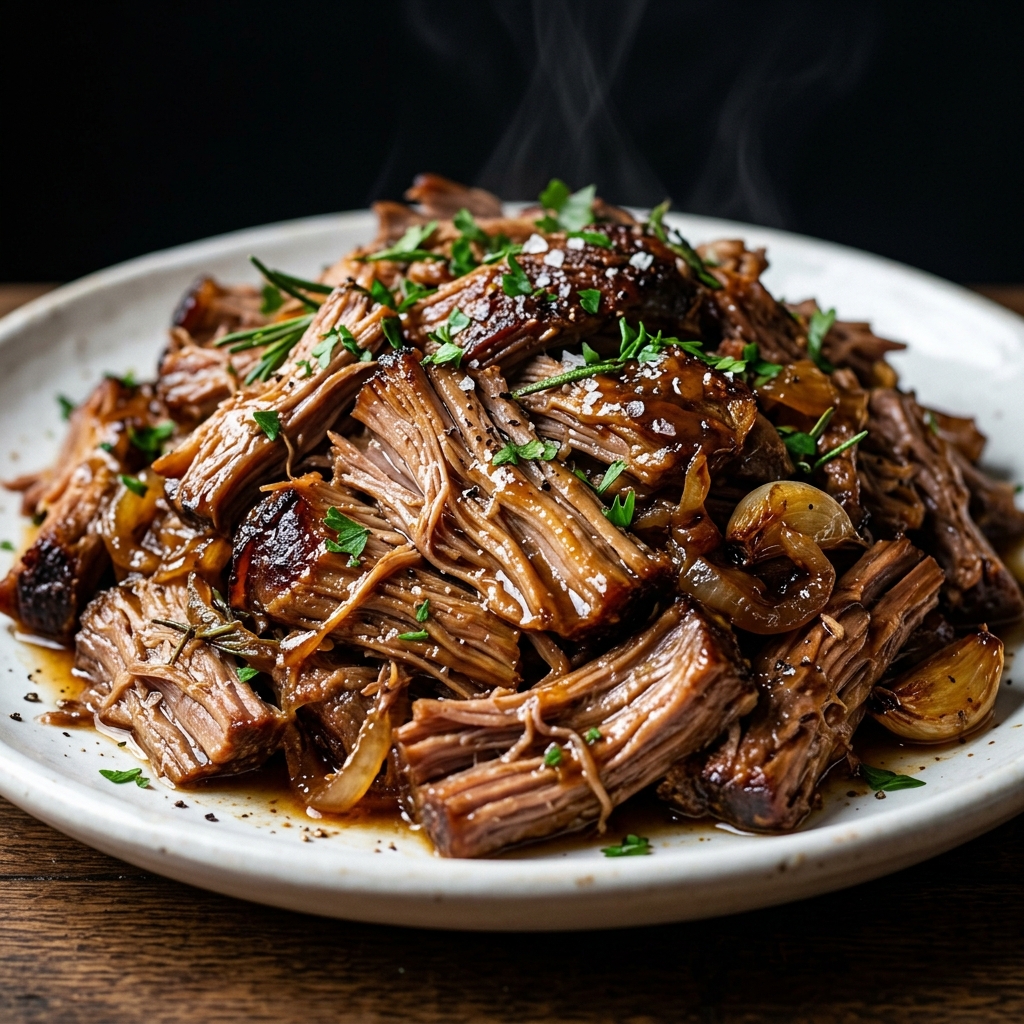
Slow Cooker Pulled Lamb Recipe
Ingredients
Equipment
Method
- Pat the lamb shoulder dry with paper towels. Trim away any excessive surface fat, but leave some fat intact to help keep the meat rich and flavorful during slow cooking.
- Season all sides generously with salt and freshly ground black pepper.
- Heat the olive oil in a large skillet over medium-high heat.
- Place the seasoned lamb shoulder in the skillet and sear it on all major sides until nicely browned. This should take approximately 8–10 minutes in total, depending on the size of the lamb.
- Searing is optional, but it adds a deeper, more savory flavor to the finished dish.
- Arrange the sliced onion, chopped carrots, celery, garlic, rosemary, and thyme in the bottom of the slow cooker.
- Place the seared lamb shoulder on top of the vegetables.
- Pour the lamb or beef stock around the lamb rather than directly over the top.
- Add the Worcestershire sauce, if using, along with the smoked paprika and oregano.
- The lamb does not need to be completely submerged in liquid. The slow cooker will retain moisture, and the lamb will release additional juices as it cooks.
- Cover the slow cooker with its lid.
- Cook on LOW for approximately 8 hours, or until the lamb is exceptionally tender and pulls apart easily with a fork.
- Cooking time may vary depending on the size of the lamb, whether it is bone-in or boneless, and the performance of your slow cooker.
- The lamb is ready when it shreds easily without significant resistance.
- Carefully transfer the cooked lamb to a large plate or cutting board.
- Allow it to rest for approximately 10–15 minutes before shredding.
- This makes the meat easier to handle and helps preserve its juices.
- Use two forks to pull the lamb apart into tender strands.
- Remove any bones, large pieces of excess fat, or tough connective tissue.
- Avoid shredding the meat too finely; slightly larger strands provide a more satisfying texture.
- If desired, strain the cooking liquid to remove the vegetables and herb stems.
- Taste the juices and adjust the seasoning as needed.
- For a richer sauce, transfer the liquid to a saucepan and simmer it for several minutes to concentrate the flavor.
- Return some of the shredded lamb to the slow cooker or a serving dish.
- Toss it gently with a little of the reserved cooking liquid to keep the meat moist and flavorful.
- Garnish with fresh parsley, rosemary, or thyme, and serve warm with your favorite side dishes.
Notes
Searing: Browning the lamb before slow cooking adds depth of flavor but can be skipped when you are short on time.
Cooking time: Use tenderness as your guide. If the lamb is still tough, continue cooking until it pulls apart easily.
Cooking liquid: Avoid adding excessive stock. The lamb will release its own juices during cooking.
Flavor adjustment: Add lemon juice just before serving for a brighter flavor that balances the richness of the lamb.
Storage: Refrigerate leftovers in an airtight container for 3–4 days. Store the lamb with some of its cooking juices to help retain moisture.
Freezing: Freeze in airtight, freezer-safe containers with some cooking liquid for up to approximately 2–3 months for best quality.
Serving ideas: Enjoy with mashed potatoes, roasted vegetables, rice, couscous, warm flatbread, fresh salad, or coleslaw.
Gluten-free option: Use certified gluten-free stock and check the label of any Worcestershire sauce or prepared seasoning blends.
Low-carb and keto option: Serve with cauliflower mash, roasted low-carb vegetables, or a fresh green salad instead of potatoes, rice, or bread.

Hi, I’m Clara, the creator of Barakala. I love sharing simple, comforting, and delicious recipes that make everyday cooking easier and more enjoyable for home cooks.