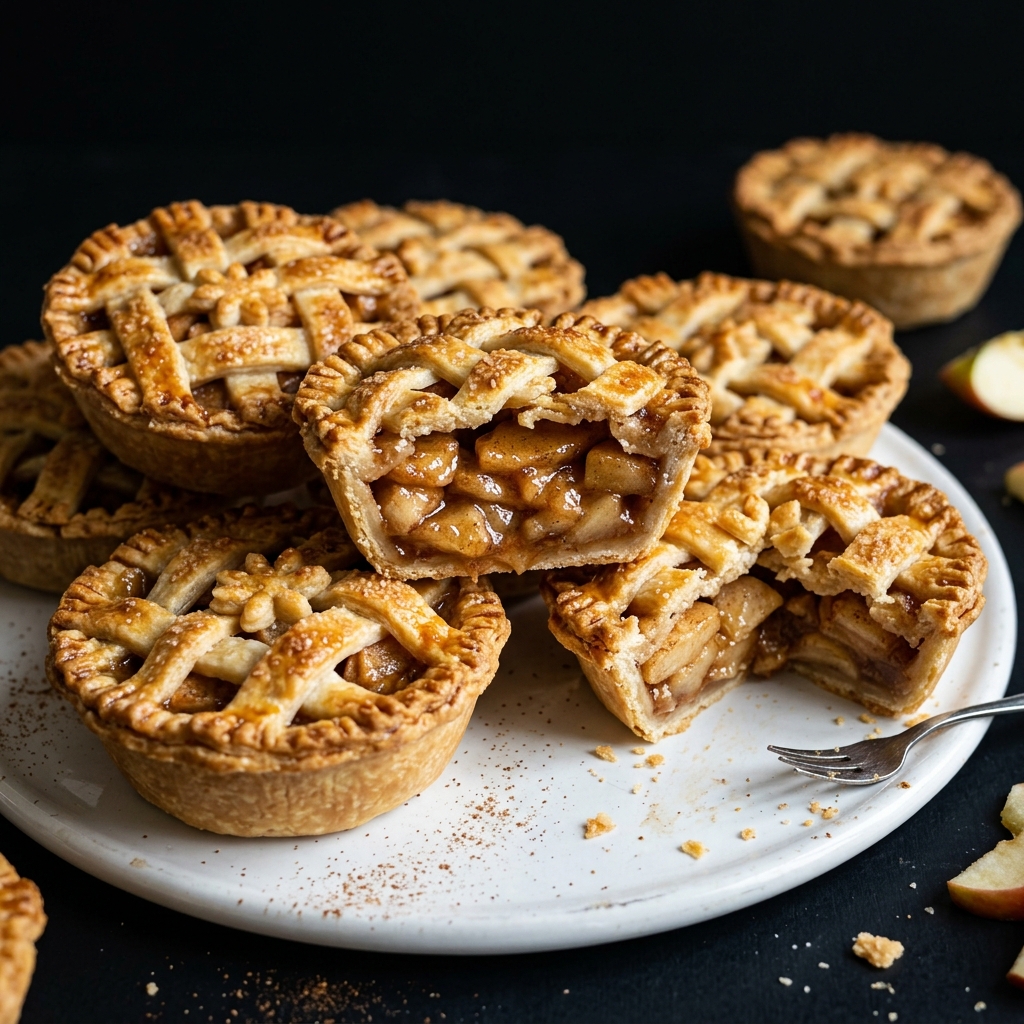

There is something irresistible about a biscuit that looks perfectly golden on the outside but hides a warm, melty cheese center inside. These Cheese Stuffed Biscuits are buttery, flaky, tender, and wonderfully savory, making them an easy homemade treat for breakfast, brunch, snacks, or a comforting side dish.
Ingredients You’ll Need

The beauty of these Cheese Stuffed Biscuits is that most of the ingredients are simple pantry and refrigerator staples. Each one has a particular job, so using the right ingredients and understanding how they work will help you get better results.
All-Purpose Flour
All-purpose flour provides the structure for the biscuits. Measure it carefully because too much flour can produce dry, heavy biscuits.
For the most accurate measurement, spoon the flour into your measuring cup and level the top rather than scooping directly from the flour container. Scooping can compact the flour and result in using more than the recipe requires.
Baking Powder
Baking powder is responsible for helping the biscuits rise and become light and tender. Make sure your baking powder is reasonably fresh. An old leavening agent may not provide enough lift, leaving your biscuits flatter and denser than expected.
Salt
Salt balances the richness of the butter and cheese and gives the biscuit dough a more developed flavor. Because cheese can already contain a fair amount of salt, avoid adding more than the recipe calls for.
Cold Butter
Cold butter is one of the most important ingredients for flaky biscuits.
When cold pieces of butter are distributed throughout the dough, they create little pockets of fat. As the biscuits bake, the butter melts and releases moisture, helping create separation between the layers.
For the best texture, cut the butter into small cubes before adding it to the flour. Keep it cold until you’re ready to use it.
Cheese
Cheese is the star of this recipe. Sharp cheddar provides a bold, familiar flavor, while mozzarella gives you that particularly satisfying stretch of melted cheese. You can use one or combine different cheeses depending on the flavor and texture you want.
For a stronger cheese flavor, sharp cheddar works beautifully. For maximum melt and stretch, mozzarella is an excellent choice. A cheddar-mozzarella combination gives you a balance of flavor and gooey texture.
Freshly shredded cheese generally melts more smoothly than many pre-shredded varieties because packaged shredded cheese may contain anti-caking ingredients.
Cold Milk or Buttermilk
Milk brings the dough together and provides the moisture needed for tender biscuits. Buttermilk can add a subtle tanginess and make the biscuits taste especially rich and flavorful.
Whatever liquid you choose, keeping it cold is helpful when making flaky biscuits.
Fresh Herbs
Fresh parsley or chives are optional, but they can add a pleasant pop of color and a light savory note. They also make the biscuits look more attractive when served.
You don’t need a large amount. A small handful finely chopped and incorporated into the dough is enough.
How to Make Cheese Stuffed Biscuits
The preparation is straightforward, but a few details make a major difference in the finished texture.
Step 1: Prepare the Oven and Baking Surface
Begin by preheating your oven to about 425°F (220°C).
A properly preheated oven is important because biscuits benefit from an immediate burst of high heat. If the oven is still warming when the biscuits go inside, the butter may melt before the biscuits have enough heat to rise properly.
Line a baking sheet with parchment paper or lightly grease it. Set it aside while you prepare the dough.
Step 2: Combine the Dry Ingredients
Add the all-purpose flour, baking powder, and salt to a large mixing bowl.
Whisk them together thoroughly so the baking powder and salt are evenly distributed throughout the flour.
This simple step is worth doing carefully. You don’t want some biscuits receiving more leavening than others.
Step 3: Work in the Cold Butter
Add the cold cubed butter to the flour mixture.
Using a pastry cutter, fork, or your fingertips, work the butter into the flour until the mixture resembles coarse crumbs with some small pieces of butter still visible.
Don’t try to make every piece of butter disappear.
Those small pieces are valuable. They are part of what gives biscuits their flaky texture.
If your kitchen is particularly warm or you notice the butter becoming soft, place the bowl in the refrigerator for several minutes before continuing.
Step 4: Add the Cold Milk
Gradually add the cold milk or buttermilk to the flour and butter mixture.
Use a wooden spoon or spatula to gently mix until the dough begins to come together.
The dough should look slightly shaggy rather than perfectly smooth. If you mix until it becomes completely uniform and elastic, you may be developing too much gluten.
If the dough seems excessively dry, add a small amount of additional milk. Add it gradually rather than pouring in a lot at once.
Step 5: Add the Herbs
If you’re using fresh parsley or chives, gently fold them into the dough.
This is also the point where you can add a small amount of finely grated cheese to the dough itself if you want an extra cheesy biscuit. However, keeping most of the cheese for the center creates the most noticeable stuffed-cheese effect.
Step 6: Bring the Dough Together
Lightly flour your work surface and transfer the dough onto it.
Gently press the dough together with your hands.
Avoid kneading it like bread dough. Biscuits don’t need extensive kneading. The goal is simply to bring the ingredients together while keeping the dough tender.
Pat or gently roll the dough into a thick rectangle or round, depending on the shape you prefer.
Step 7: Portion the Dough
Divide the dough into equal portions.
You can use a biscuit cutter if you’re making traditional round biscuits, or simply divide the dough into portions and shape them by hand.
Try to keep the pieces relatively uniform in size so they bake at the same rate.
Step 8: Add the Cheese Filling
Take one portion of dough and gently flatten it in your palm.
Place a generous amount of shredded cheese in the center, leaving enough space around the edges to seal the biscuit.
Fold the dough around the cheese and gently pinch the seams closed.
This step is important. If the dough isn’t properly sealed, the cheese can escape during baking.
Don’t worry if the biscuits aren’t perfectly shaped. A rustic homemade appearance is part of their charm.
Step 9: Seal and Shape
Once the cheese is enclosed, gently roll or cup the dough between your hands to create a rounded biscuit.
Check the bottom and sides for any obvious openings.
If you see a thin spot or crack, gently pinch it closed.
The cheese needs to remain enclosed long enough to melt inside the biscuit. A small opening can turn into a large escape route once the butter and cheese begin melting in the oven.
Step 10: Arrange the Biscuits
Place the stuffed biscuits on the prepared baking sheet.
For softer sides, position them relatively close together. For more browned edges, leave a little space between each biscuit.
If desired, lightly brush the tops with melted butter before baking. This encourages a beautiful golden finish and adds extra buttery flavor.
Step 11: Bake Until Golden
Place the biscuits in the fully preheated oven and bake until they are puffed and beautifully golden brown, usually around 12–16 minutes, depending on their size and your oven.
Keep an eye on them toward the end of baking.
The tops should look golden, the edges should be set, and the biscuits should feel lightly firm rather than doughy.
Step 12: Let Them Rest Briefly
Once baked, remove the biscuits from the oven and allow them to rest for a few minutes.
This short resting period gives the molten cheese time to settle slightly, making the biscuits easier to handle.
Then serve them while they’re still warm.
The Secret to Getting Gooey Cheese Without Losing It
One of the biggest challenges when making stuffed biscuits is keeping the cheese inside.
It is tempting to add as much cheese as possible because more cheese sounds better—and from a flavor perspective, it certainly can be. But an overloaded filling can make sealing the dough difficult.
Instead, focus on creating a concentrated pocket of cheese.
Choose cheese that melts well, place it in the center, and leave a clean border of dough around the filling. Press the edges firmly together before shaping the biscuit.
Another useful trick is to chill the assembled biscuits briefly before baking if the dough has become warm. Cold dough gives the butter a better chance of staying solid until it reaches the hot oven, while the cheese remains enclosed as the biscuit begins to set.
The result is exactly what you’re looking for: a golden biscuit exterior that gives way to a soft interior and a warm, creamy cheese center.
Variations to Try
Once you’ve mastered the basic recipe, Cheese Stuffed Biscuits are incredibly easy to customize.
Garlic Butter Cheese Biscuits
Brush the freshly baked biscuits with melted butter mixed with minced garlic and a little chopped parsley.
The buttery garlic topping soaks into the warm biscuit surface and adds an irresistible savory aroma.
Cheddar and Jalapeño Biscuits
For a little heat, add finely chopped jalapeños to the dough and use sharp cheddar for the filling.
The spicy peppers cut through the richness of the cheese and butter, creating a more exciting flavor combination.
Bacon and Cheese Biscuits
Cooked, crumbled bacon can be added alongside the cheese filling.
Use crispy bacon rather than soft bacon so the filling doesn’t become excessively greasy.
Mozzarella and Herb Biscuits
Use mozzarella as the main filling and add fresh parsley, chives, or Italian herbs to the dough.
This version has a milder cheese flavor and particularly appealing cheese stretch when served warm.
Pepper Jack Stuffed Biscuits
Pepper Jack brings both creaminess and gentle heat. It’s an excellent choice when you want something more flavorful without making the biscuits overwhelmingly spicy.
Expert Tips for Better Cheese Stuffed Biscuits
Keep everything cold. Cold butter and cold liquid are among the most reliable ways to encourage flaky biscuit layers.
Don’t overmix. Stop mixing as soon as the dough comes together. A slightly rough-looking dough is preferable to a smooth, heavily worked dough.
Don’t flatten the dough too much. Give your biscuits enough thickness to create a soft interior and accommodate the cheese filling.
Seal the filling carefully. Check for cracks and openings before baking. This is especially important around the bottom seam.
Use freshly shredded cheese. It usually melts more smoothly and gives the filling a better texture.
Bake immediately after shaping when possible. Once the biscuits are assembled, getting them into the hot oven helps preserve the cold butter and gives you better lift.
Don’t overcrowd the filling. A generous but manageable amount of cheese will produce a better result than stuffing the biscuit so full that it cannot close properly.
Serve them warm. The cheese is at its most appealing when warm and melted, while the biscuit itself is still tender and fragrant.
What Makes These Biscuits So Special?
The real magic happens inside the oven. What begins as a simple combination of flour, butter, milk, and cheese transforms into something completely different: crisp golden surfaces, tender layers, rich buttery flavor, and a melted cheese center hidden inside.
That contrast is what makes these biscuits so satisfying. The outside has enough structure to provide a pleasant bite, while the inside remains soft and delicate. Then you reach the cheese center, where the texture changes again into something creamy, stretchy, and rich.
And that first moment when you break one open while it’s still warm is exactly why these biscuits are worth making from scratch.
Make-Ahead Options
Cheese Stuffed Biscuits are best enjoyed fresh and warm, but they can also be prepared ahead when you want to save time.
Prepare the Biscuits Ahead
You can assemble the stuffed biscuits, arrange them on a parchment-lined baking sheet, cover them well, and refrigerate them for several hours before baking. This is particularly convenient when preparing breakfast or brunch for guests.
When you’re ready to bake, place the chilled biscuits directly into the preheated oven. You may need to add a couple of minutes to the baking time because the dough will be cold.
For the best texture, avoid leaving unbaked biscuit dough refrigerated for an unnecessarily long period. The sooner you bake it after preparation, the better the rise and texture will generally be.
Freeze Unbaked Biscuits
Freezing is another excellent option. Assemble and seal the cheese-filled biscuits, then place them in a single layer on a baking sheet and freeze until firm. Once frozen, transfer them to an airtight freezer-safe container or bag.
This allows you to bake only as many biscuits as you need.
Bake them from frozen rather than thawing them first, adding a few extra minutes to the baking time. Keep an eye on the tops and edges as they approach doneness.
What to Serve With Cheese Stuffed Biscuits
These biscuits are versatile enough to work as a breakfast item, snack, side dish, or party appetizer. Their buttery, cheesy flavor pairs especially well with foods that add freshness, acidity, or extra savory flavor.
For Breakfast
Serve warm Cheese Stuffed Biscuits alongside:
- Scrambled or fried eggs
- Crispy breakfast potatoes
- Turkey or chicken sausage
- Fresh fruit
- Yogurt and berries
- Avocado
- A simple breakfast salad
The combination of eggs and warm cheesy biscuits makes a particularly satisfying breakfast.
For Brunch
For a more complete brunch spread, serve them with fresh fruit, eggs, roasted vegetables, a light salad, and your favorite breakfast beverages.
Because the biscuits are rich, including something fresh or slightly acidic helps balance the meal.
With Soups
Cheese Stuffed Biscuits make an excellent alternative to bread or dinner rolls.
Try serving them with:
- Tomato soup
- Creamy chicken soup
- Vegetable soup
- Potato soup
- Broccoli cheese soup
- Chicken noodle soup
- Hearty bean soup
The biscuit can be used for dipping, making every spoonful of soup even more enjoyable.
With Main Courses
They also work beautifully beside roasted chicken, baked chicken, grilled meats, roasted vegetables, mashed potatoes, or a simple green salad.
If you’re serving them as a dinner side, a little fresh parsley or chives sprinkled over the top can add color and freshness.
As an Appetizer or Snack
For entertaining, serve smaller Cheese Stuffed Biscuits on a platter with dipping sauces.
Good options include:
- Garlic butter
- Marinara sauce
- Ranch dressing
- Honey mustard
- Spicy tomato sauce
- Herbed cream cheese
- Warm cheese sauce
A variety of dips allows guests to customize each bite.
How to Store Cheese Stuffed Biscuits
If you have leftovers, allow the biscuits to cool before storing them.
Place them in an airtight container and keep them refrigerated. Properly stored biscuits are generally best consumed within a few days for the best quality.
Avoid leaving cooked biscuits uncovered in the refrigerator because they can quickly lose moisture and become dry.
For longer storage, freezing is the better option.
How to Freeze Baked Biscuits
Allow the biscuits to cool completely. Wrap them individually or place them in a freezer-safe container with parchment paper between layers.
Store them in the freezer until you’re ready to enjoy them.
How to Reheat Them
The oven is usually the best way to restore the texture of refrigerated or frozen biscuits.
For refrigerated biscuits, warm them in a preheated oven until heated through. For frozen biscuits, allow additional time.
You can also use an air fryer for quick reheating. The circulating heat helps restore some of the crispness to the exterior while warming the cheesy center.
A microwave can be used when convenience matters most, but it may soften the biscuit exterior. If you use a microwave, heat the biscuit in short intervals rather than heating it for a long period at once.
Troubleshooting Common Problems
Even a simple biscuit recipe can occasionally produce unexpected results. Understanding what went wrong makes it much easier to improve your next batch.
Why Are My Biscuits Dense?
The most common causes are overmixing, using too much flour, or insufficient leavening.
When biscuit dough is worked excessively, gluten develops and the biscuits can become tougher. Mix only until the ingredients come together.
Also make sure your baking powder is fresh and that your flour is measured accurately.
Why Did the Cheese Leak Out?
Cheese can escape when the dough isn’t sealed properly or when too much filling is used.
Leave enough dough around the cheese so the edges can be firmly pinched together. Check each biscuit for cracks before placing it on the baking sheet.
Don’t be discouraged if a little cheese escapes during baking. Some melted cheese that caramelizes against the baking sheet can actually become deliciously crisp.
Why Didn’t My Biscuits Rise?
Your butter may have been too warm, the dough may have been overworked, or your baking powder may not be active enough.
A properly heated oven is also essential.
For particularly flaky biscuits, work efficiently so the butter stays cold from the moment you begin mixing until the biscuits go into the oven.
Why Are My Biscuits Dry?
Dry biscuits usually indicate too much flour, too little liquid, or overbaking.
The dough should not be excessively dry before baking. It should come together into a soft, slightly shaggy dough.
Remember that ovens vary, so start checking the biscuits toward the earlier end of the suggested baking time.
Why Is the Bottom Too Brown?
The baking sheet’s position and the type of pan can affect browning.
If your biscuits consistently brown too quickly underneath, try moving the baking rack slightly higher in the oven or using a lighter-colored baking sheet.
Frequently Asked Questions
Can I Use Different Types of Cheese?
Absolutely. Cheddar, mozzarella, Monterey Jack, Colby, Pepper Jack, and other good-melting cheeses can work well.
You can also combine cheeses. A sharp cheese gives stronger flavor, while mozzarella or Monterey Jack can provide a softer, stretchier melt.
Can I Make These Biscuits Without Buttermilk?
Yes. Regular cold milk can be used if you don’t have buttermilk.
Buttermilk contributes a pleasant tang and can make the biscuits especially flavorful, but it isn’t essential for making delicious stuffed biscuits.
Can I Add Garlic to the Recipe?
Yes. Garlic is an excellent addition.
You can add a small amount of garlic powder to the dough or brush the baked biscuits with garlic butter. Fresh garlic can also be incorporated carefully, although garlic butter applied after baking gives you a particularly fragrant finish.
Can I Make Smaller Cheese Stuffed Biscuits?
Yes. Smaller biscuits are perfect for appetizers, lunch boxes, brunch platters, or party snacks.
Just remember that smaller biscuits will bake faster, so begin checking them earlier than you would larger biscuits.
Can I Use Pre-Shredded Cheese?
You can, although freshly shredded cheese is generally preferable when you want a smooth, creamy melt.
Pre-shredded cheese can still work perfectly well when that’s what you have available.
Can I Add Meat to the Filling?
Yes. Cooked bacon, sausage, shredded chicken, or finely chopped ham can be paired with the cheese.
Make sure any meat added to the filling is fully cooked and cooled before assembling the biscuits. Avoid adding an excessive amount because a very full biscuit can be difficult to seal.
Can I Make These Biscuits Spicy?
Definitely. Jalapeños, crushed red pepper, cayenne pepper, or Pepper Jack cheese can add heat.
For a balanced spicy version, combine sharp cheddar with finely diced jalapeño and a small amount of cayenne.
How Do I Get Taller, Flakier Biscuits?
Keep your butter cold, avoid overmixing, don’t press the dough excessively, and bake in a fully preheated oven.
Another useful technique is to gently fold the dough over itself once or twice before cutting. This can create additional layers without requiring extensive kneading.
How Do I Know When the Biscuits Are Done?
Look for a puffed appearance and golden-brown tops and edges.
The center should no longer look wet or raw. Because the exact baking time depends on biscuit size and oven performance, visual cues are more useful than relying solely on the clock.
A Few Final Chef Tips
If you want your Cheese Stuffed Biscuits to taste and look their best, focus on three things: cold ingredients, gentle handling, and proper sealing.
Cold butter creates the foundation for flaky layers. Gentle handling keeps the dough tender. Careful sealing keeps that delicious cheese where it belongs—in the center of the biscuit.
Don’t worry about making every biscuit perfectly identical. Homemade biscuits are at their most appealing when they have a slightly rustic appearance. What matters most is a golden exterior, tender interior, and a generous pocket of melted cheese waiting inside.
And don’t underestimate the importance of serving temperature. These biscuits are at their most irresistible when served warm, when the butter is fragrant and the cheese is soft and gooey. Break one open at the table and you’ll immediately see why a simple biscuit becomes something special when cheese is tucked inside.

Cheese Stuffed Biscuits
Ingredients
Equipment
Method
- Preheat the oven: Preheat your oven to 425°F (220°C). Line a baking sheet with parchment paper and set aside.
- Mix the dry ingredients: In a large bowl, whisk together the flour, baking powder, and salt until evenly combined.
- Cut in the butter: Add the cold cubed butter. Use a pastry cutter, fork, or your fingertips to work the butter into the flour until the mixture resembles coarse crumbs, leaving a few small pieces of butter visible.
- Add the milk: Gradually pour in the cold milk or buttermilk, gently stirring with a wooden spoon or spatula until a soft, slightly shaggy dough forms. Do not overmix.
- Add the herbs: If using parsley or chives, gently fold them into the dough.
- Form the dough: Transfer the dough to a lightly floured surface. Gently press or roll it into a thick layer. Avoid kneading the dough heavily, as overworking can make the biscuits tough.
- Divide the dough: Divide the dough into 8 portions. Flatten each portion gently into a small round.
- Fill with cheese: Place a mixture of cheddar and mozzarella in the center of each piece of dough, leaving a border around the edges.
- Seal the biscuits: Fold the dough around the cheese and firmly pinch the edges together to completely enclose the filling. Gently shape each biscuit into a round, checking for any cracks or openings.
- Optional chilling: If the dough has become warm or soft, refrigerate the assembled biscuits for about 10 minutes. This helps keep the butter firm and encourages a flakier texture.
- Arrange and brush: Place the biscuits on the prepared baking sheet. For softer sides, place them fairly close together; for more browned edges, leave a little space between them. Brush the tops lightly with melted butter if desired.
- Bake: Bake for 12–16 minutes, or until the biscuits are puffed and golden brown and the centers are fully baked.
- Rest and serve: Remove from the oven and allow the biscuits to rest for 3–5 minutes before serving. Serve warm while the cheese is still melted and gooey.
Notes
Don't overmix: Mix only until the dough comes together. A slightly shaggy dough is better than a heavily worked dough.
Seal the cheese well: Leave enough dough around the filling to pinch the edges completely closed and prevent excessive cheese leakage.
Cheese options: Sharp cheddar provides a stronger flavor, while mozzarella gives the biscuits a softer, stretchier cheese center. Monterey Jack, Colby, or Pepper Jack can also be used.
Freshly shredded cheese: Freshly shredded cheese generally melts more smoothly than many pre-shredded varieties.
For extra flavor: Brush the hot biscuits with garlic butter and sprinkle with fresh parsley immediately after baking.
Storage: Store cooled biscuits in an airtight container in the refrigerator for up to 3 days. Reheat in the oven or air fryer for the best texture.
Freezing: Assemble and freeze unbaked biscuits on a tray until firm, then transfer them to a freezer-safe container. Bake from frozen, adding a few extra minutes to the cooking time.
Best served warm: The cheese filling is at its most delicious when the biscuits are freshly baked and warm.

Hi, I’m Clara, the creator of Barakala. I love sharing simple, comforting, and delicious recipes that make everyday cooking easier and more enjoyable for home cooks.