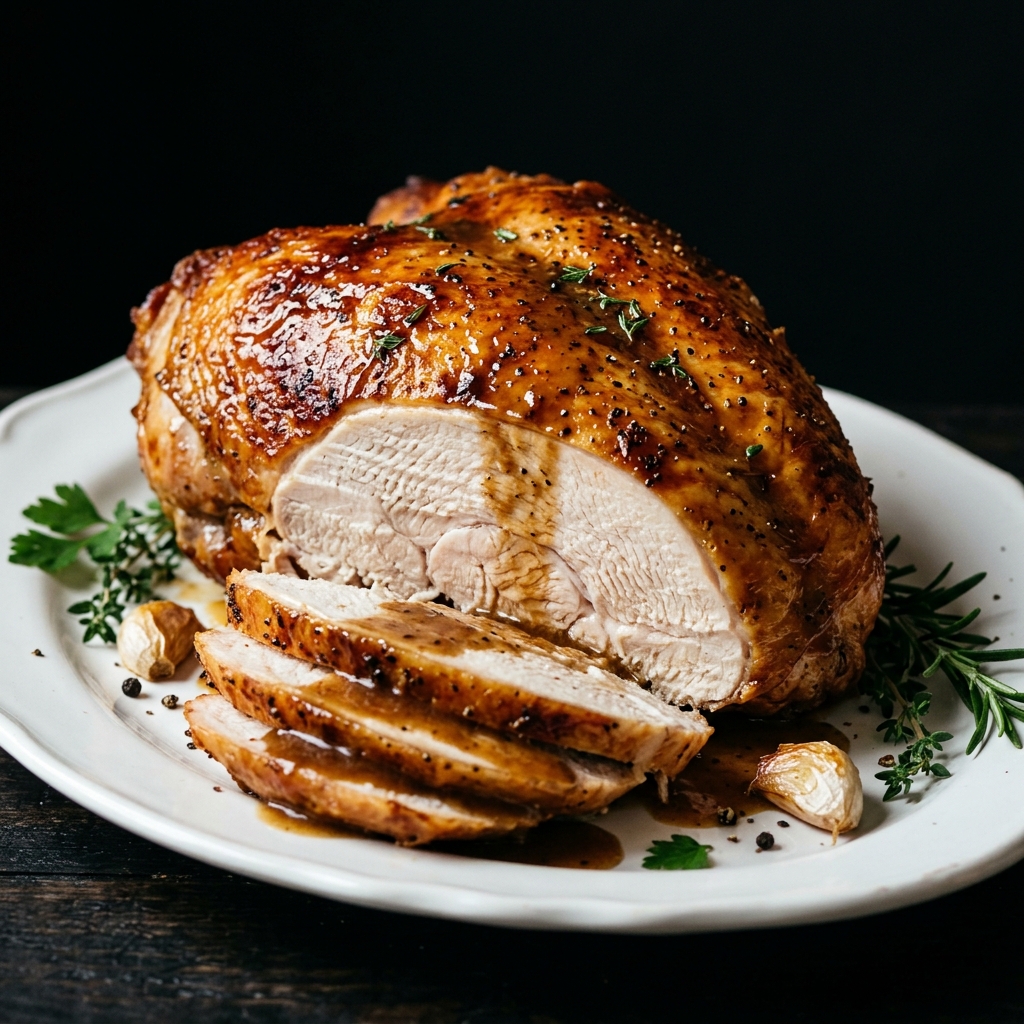
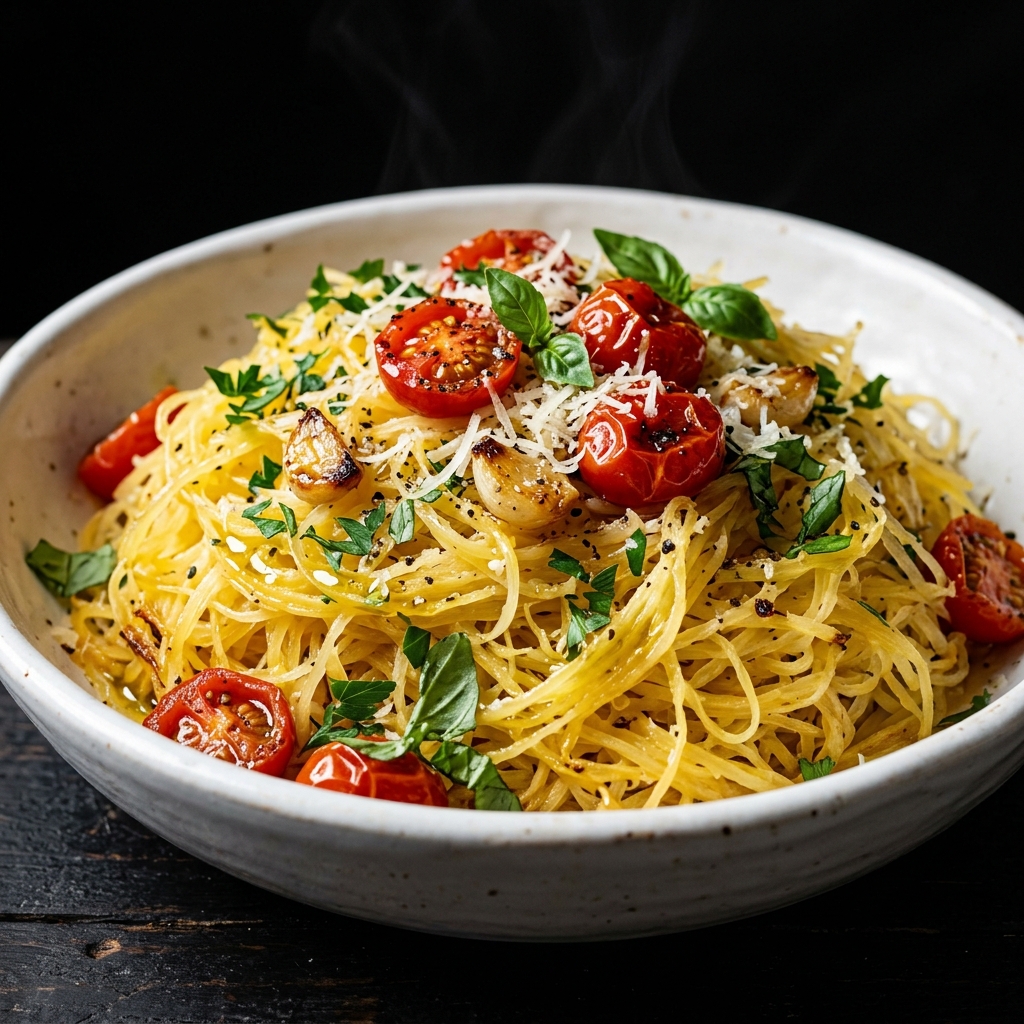
Looking for a delicious way to enjoy comfort food without relying on traditional pasta? Spaghetti squash is about to become one of your favorite kitchen staples. When roasted properly, its tender golden flesh separates into delicate, spaghetti-like strands that are naturally flavorful, satisfying, and incredibly versatile. Whether you want a quick weeknight dinner, a lighter lunch, or a colorful vegetable-based meal, these easy spaghetti squash recipes are a wonderful place to start.
Ingredients You’ll Need
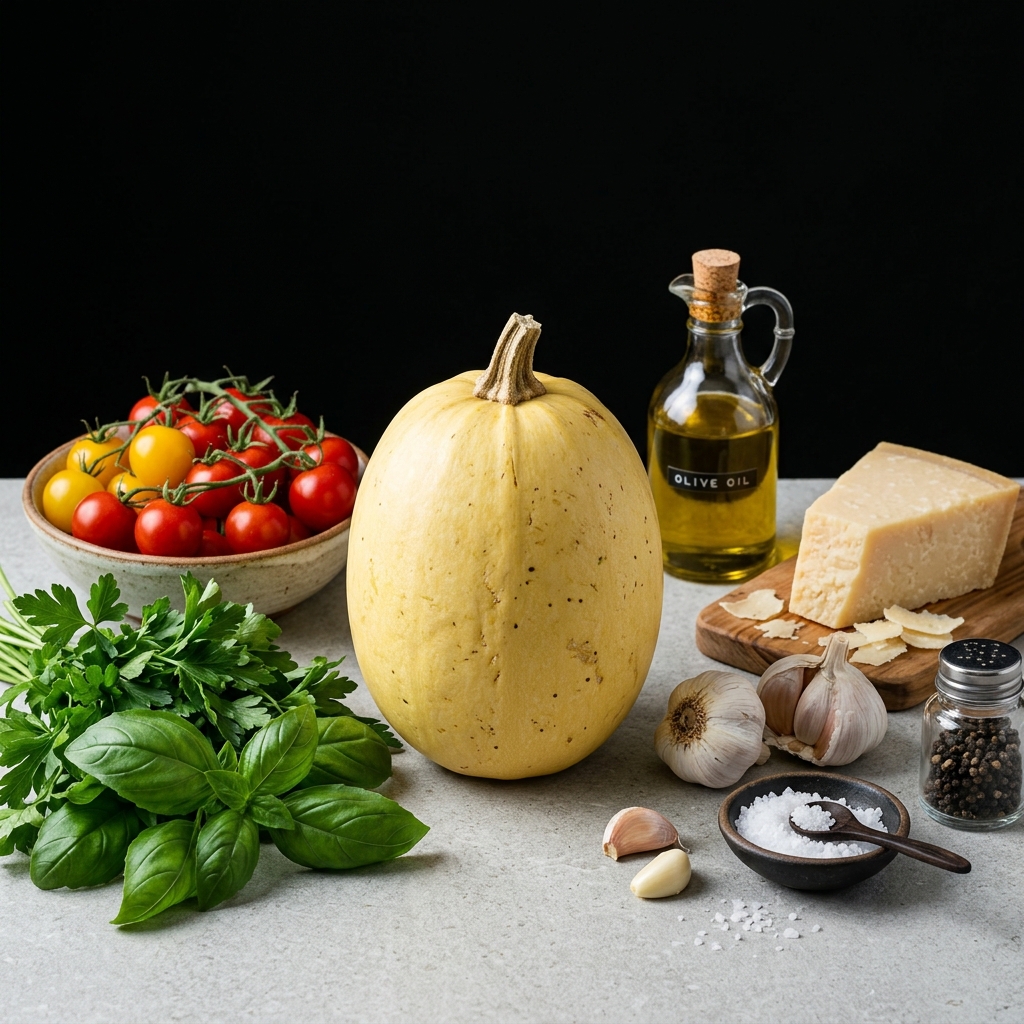
For this simple roasted spaghetti squash recipe, you only need a handful of everyday ingredients. The combination below creates a flavorful foundation that can be enjoyed on its own or customized with your favorite toppings.
Main Ingredients
- 1 medium spaghetti squash – Choose one that feels firm and heavy for its size, with smooth, intact skin. Avoid squash with soft spots or significant bruising.
- 2 tablespoons olive oil – Olive oil helps the squash roast beautifully while adding richness and helping the seasonings cling to the flesh.
- 3–4 cloves garlic, minced – Garlic gives the mild squash a savory depth and pairs especially well with roasted vegetables.
- 1 cup cherry tomatoes – These add sweetness, acidity, moisture, and beautiful color to the finished dish.
- ¼ cup freshly grated Parmesan cheese – Parmesan adds a salty, nutty richness. For a dairy-free or vegan version, use a suitable plant-based alternative or leave it out.
- 2 tablespoons fresh parsley, chopped – Fresh parsley brings brightness and balances the richer ingredients.
- A few fresh basil leaves – Basil adds an aromatic, fresh flavor that works particularly well with tomatoes and garlic.
- ½ teaspoon salt, or to taste – Salt enhances the natural sweetness of the squash and brings the other flavors together.
- ¼ teaspoon freshly ground black pepper – Pepper provides a gentle bite and makes the savory flavors more noticeable.
- ½ teaspoon Italian seasoning – A blend of dried herbs adds extra flavor without requiring a long ingredient list.
Optional Ingredients for Extra Flavor
You can also keep a few optional ingredients nearby if you want to personalize your spaghetti squash. Red pepper flakes are excellent if you enjoy heat, while a little lemon juice can brighten the finished dish. You can add sautéed mushrooms, spinach, roasted bell peppers, onions, zucchini, or cooked chicken if you want to turn the squash into a more substantial meal.
For the best flavor, use freshly grated Parmesan rather than pre-shredded cheese when possible. Freshly grated cheese melts more smoothly and tends to have a more pronounced savory flavor.
How to Prepare Spaghetti Squash Step by Step
Step 1: Choose and Prepare the Squash
Start by washing and drying the spaghetti squash thoroughly. Because the squash has a tough outer skin, cutting it safely is important.
Place the squash on a sturdy cutting board. Using a sharp chef’s knife, carefully cut it in half lengthwise. If the squash is particularly difficult to cut, you can microwave the whole squash for a few minutes first to soften the exterior slightly. Always use caution when handling a hot squash.
Once cut, use a large spoon to scoop out the seeds and stringy fibers from the center. Do not worry about scraping away the actual flesh—you want to preserve as much of the squash as possible.
Step 2: Season the Squash
Preheat your oven to 400°F (200°C).
Brush the cut sides of the squash with olive oil. Sprinkle them with salt, black pepper, and Italian seasoning.
For additional flavor, rub a little minced garlic over the flesh, reserving some garlic for the tomatoes later.
Place the squash halves cut-side down on a baking sheet lined with parchment paper. Roasting the squash cut-side down helps trap some of the moisture while allowing the flesh to steam and soften.
Step 3: Roast Until Tender
Place the squash in the preheated oven and roast for approximately 35–45 minutes, depending on its size.
The squash is ready when you can easily pierce the skin with a fork and the flesh feels tender. Avoid automatically roasting it for an extremely long time. Overcooking can make the strands soft and watery rather than pleasantly tender.
One of the best chef’s tests is simple: insert a fork into the flesh and gently pull sideways. If the flesh separates into strands with reasonable resistance, it is ready.
Step 4: Prepare the Tomatoes and Garlic
While the squash is roasting, prepare the tomato topping.
Toss the cherry tomatoes with a small amount of olive oil, minced garlic, a pinch of salt, and black pepper. You can roast them alongside the squash during the final portion of cooking or sauté them briefly in a skillet.
Roasting the tomatoes concentrates their natural sweetness and causes their skins to become slightly blistered. This creates a wonderful contrast with the delicate spaghetti squash strands.
Step 5: Create the Spaghetti-Like Strands
Once the squash has finished roasting, allow it to cool for several minutes. This makes it easier and safer to handle.
Turn each half cut-side up. Using a fork, gently scrape the flesh from one side to the other. The strands should begin separating naturally.
This is where the transformation becomes especially satisfying. Instead of digging straight down into the squash, use long, gentle strokes with your fork. Continue scraping until most of the flesh has been removed from the shell.
Transfer the strands to a large bowl.
Step 6: Bring Everything Together
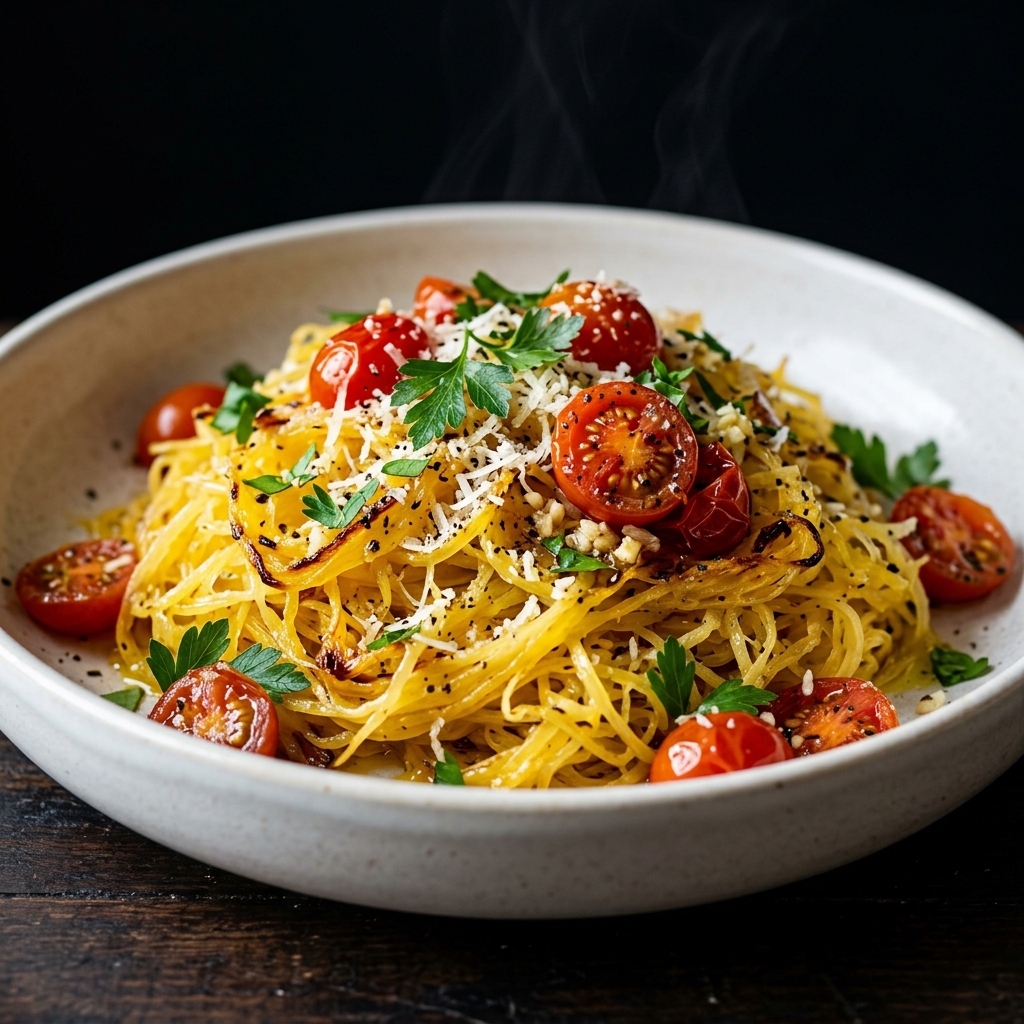
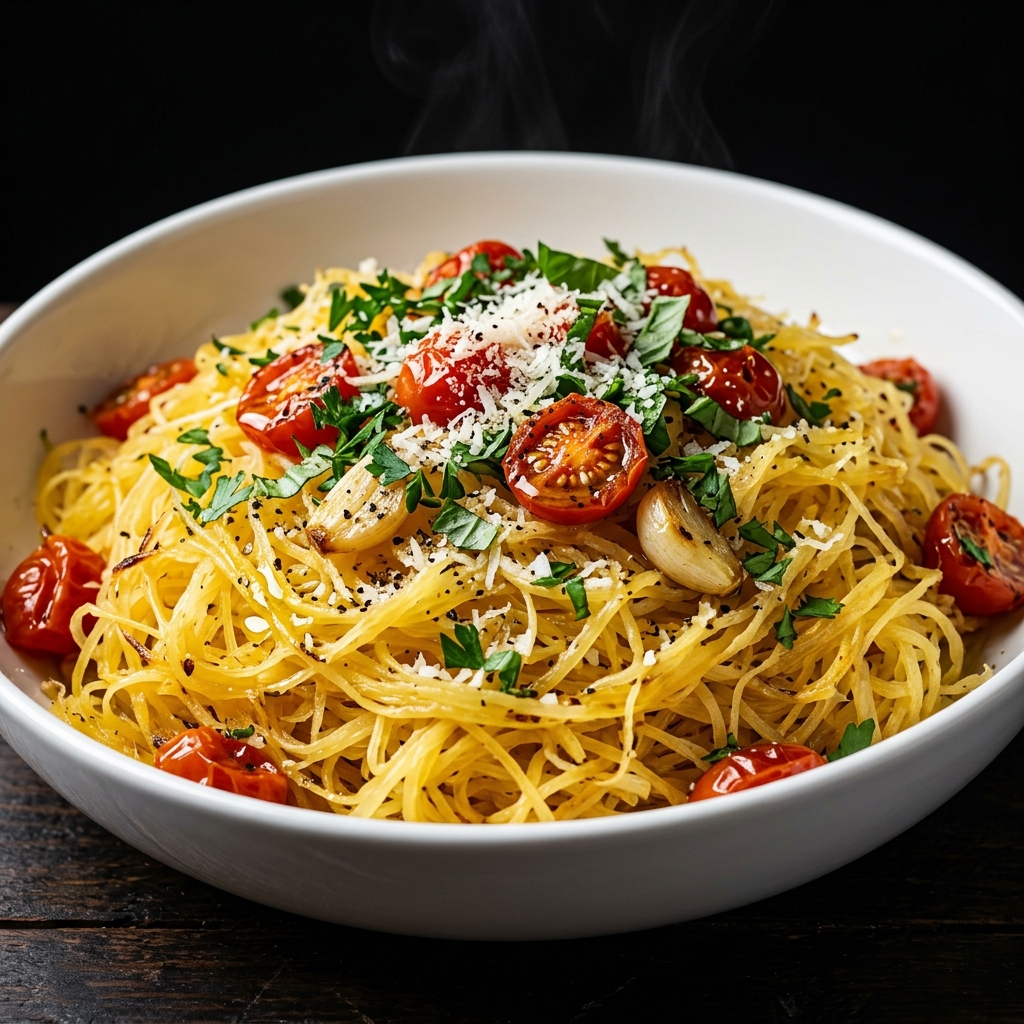
Add the roasted tomatoes and garlic to the warm spaghetti squash. Toss gently so you do not crush the strands.
Add freshly grated Parmesan, chopped parsley, and fresh basil. Taste and adjust the seasoning with additional salt, black pepper, or olive oil as needed.
If the squash seems slightly dry, add another small drizzle of olive oil. If the flavors seem heavy, a squeeze of fresh lemon juice can instantly brighten the dish.
Serve immediately while warm.
The Secret to Delicious Spaghetti Squash Isn’t What You Think
Many people try spaghetti squash once and decide they do not like it because the result is watery, mushy, or bland. In most cases, the problem is not the squash—it is the cooking technique.
The biggest secret is controlling moisture. Spaghetti squash naturally contains a significant amount of water, so roasting it properly is essential. Cooking it until just tender rather than excessively soft helps preserve the strand-like texture. Allowing the cooked squash to release excess moisture before loading it with sauce also makes a major difference.
Another secret is seasoning. Because spaghetti squash has a naturally mild flavor, it needs complementary ingredients. Garlic, herbs, Parmesan, roasted tomatoes, olive oil, lemon, and spices can turn an otherwise plain vegetable into a genuinely satisfying meal.
Once you understand those two principles—texture and flavor balance—spaghetti squash becomes remarkably easy to work with.
Delicious Variations to Try
One of the best things about spaghetti squash is how easily you can change the flavor profile. The basic roasting method can stay the same while the toppings transform the entire meal.
Garlic Butter Spaghetti Squash
For a richer comfort-food version, replace some of the olive oil with butter. Toss the warm squash strands with melted butter, roasted garlic, Parmesan, parsley, and black pepper. The result is simple, creamy-tasting, and incredibly comforting.
Mediterranean Spaghetti Squash
Give the dish a Mediterranean-inspired twist by adding chopped cherry tomatoes, spinach, Kalamata olives, crumbled feta, fresh parsley, and a squeeze of lemon. The salty, tangy ingredients work beautifully against the mild sweetness of the squash.
Spicy Spaghetti Squash
If you prefer bold flavors, add red pepper flakes, smoked paprika, garlic, and a little freshly grated Parmesan. You can also add sautéed onions and peppers for additional texture.
Creamy Spaghetti Squash
For a richer dinner, toss the cooked strands with a light cream sauce made from garlic, Parmesan, black pepper, and a small amount of cream or milk. Add cooked mushrooms or spinach for an even more satisfying meal.
Vegan Spaghetti Squash
Making a vegan version is easy. Simply leave out the Parmesan and use extra roasted vegetables, nutritional yeast, fresh herbs, or a plant-based Parmesan alternative. A drizzle of good-quality olive oil and fresh lemon juice can provide plenty of flavor without dairy.
Expert Tips for Perfect Spaghetti Squash Every Time
Do not overcook it. Tender is the goal. If the squash becomes extremely soft, the strands can lose their structure and become mushy.
Use enough seasoning. Mild vegetables need thoughtful seasoning. Salt, pepper, garlic, herbs, and acidity can make a remarkable difference.
Roast rather than boil when possible. Roasting encourages deeper flavor and helps prevent the squash from absorbing additional water.
Let the squash rest briefly. A few minutes of cooling makes it easier to handle and gives excess steam a chance to escape.
Scrape gently. Long strokes with a fork encourage attractive strands. Aggressive scraping can break them into short pieces.
Taste before serving. This is one of the most important professional cooking habits. Taste the finished squash and adjust salt, pepper, acidity, or richness before bringing it to the table.
Do not drown it in sauce. Spaghetti squash has delicate strands. Too much sauce can overpower its texture and make the dish watery. Start with a modest amount and add more only if necessary.
Finish with something fresh. Fresh herbs, lemon juice, basil, or a drizzle of olive oil can make the final dish taste brighter and more balanced.
What Makes This Recipe So Useful for Busy Days?
The beauty of spaghetti squash is that it can fit into many different kinds of meals. You can keep the basic roasted squash simple and change the toppings depending on what you already have in your refrigerator.
Have leftover vegetables? Add them. Have fresh herbs that need to be used? Toss them in. Need more protein? Add grilled chicken, shrimp, beans, or another protein that complements the seasoning. Want something lighter? Keep the toppings focused on vegetables and herbs.
That flexibility means you do not need to prepare exactly the same spaghetti squash dish every time. The basic technique becomes a foundation for dozens of easy dinners.
And once you learn how to roast one properly, you may find yourself buying spaghetti squash more often—not because you are trying to replace pasta, but because it is simply a delicious vegetable worth eating.
Make-Ahead Options
Spaghetti squash is an excellent make-ahead ingredient because the cooked strands can be prepared before you are ready to assemble the final meal.
You can roast the squash, separate the strands, and allow them to cool completely. Store the plain cooked squash in an airtight container in the refrigerator, then add your preferred sauce, vegetables, cheese, or herbs when you are ready to serve. Keeping the squash separate from wet sauces helps preserve its texture and prevents the strands from becoming excessively soft.
For busy weeknights, you can also prepare the toppings ahead of time. Wash and chop the herbs, mince the garlic, grate the Parmesan, and portion the tomatoes. When dinner time arrives, you only need to warm the squash and combine everything.
For the best texture, try to use refrigerated cooked spaghetti squash within a few days. Freshly prepared toppings and herbs can be added immediately before serving to give the dish a brighter, fresher flavor.
What to Serve With Spaghetti Squash
Although spaghetti squash can absolutely stand on its own as a light meal, it becomes even more satisfying when paired with the right side dishes or protein.
Grilled Chicken
Tender grilled chicken is one of the easiest ways to turn spaghetti squash into a complete dinner. Season the chicken simply with garlic, Italian herbs, black pepper, and a little olive oil so that it complements rather than overwhelms the squash.
Garlic Shrimp
Garlic shrimp cooks quickly and pairs beautifully with the mild sweetness of spaghetti squash. Sauté shrimp with garlic, olive oil, black pepper, and a touch of lemon, then spoon it over the warm squash strands.
Roasted Vegetables
For a vegetable-forward meal, serve spaghetti squash with roasted broccoli, zucchini, bell peppers, mushrooms, or asparagus. The combination provides different textures and brings plenty of color to the plate.
Fresh Green Salad
A crisp salad provides a refreshing contrast to warm roasted squash. Try mixed greens with cucumber, tomatoes, red onion, and a simple lemon vinaigrette.
Crusty Garlic Bread
If you are not specifically avoiding additional carbohydrates, warm garlic bread makes a wonderful accompaniment. The crisp, buttery texture contrasts nicely with the tender squash.
Italian-Style Meatballs
For a heartier dinner, serve the squash with homemade meatballs and a flavorful tomato sauce. The squash strands work particularly well underneath the meatballs, allowing them to catch some of the sauce without requiring traditional pasta.
Simple Soup
A light tomato, vegetable, or chicken soup can turn spaghetti squash into part of a comforting dinner spread, especially during cooler weather.
How to Store Spaghetti Squash
Proper storage is important if you have leftovers.
Allow the cooked spaghetti squash to cool before transferring it to an airtight container. Refrigerate it promptly rather than leaving it at room temperature for an extended period.
For the best quality, use refrigerated cooked spaghetti squash within 3–4 days. Keep sauces and toppings separate when practical, particularly if they contain a lot of liquid.
When reheating, use the microwave in short intervals, stirring gently between intervals, or warm the squash in a skillet over medium-low heat. If it seems dry, add a small drizzle of olive oil or a tablespoon of your chosen sauce.
Avoid repeatedly reheating and cooling the same portion. Instead, warm only the amount you intend to eat.
You can also freeze cooked spaghetti squash, although the texture may become somewhat softer after thawing because of its water content. If freezing, cool it completely, portion it into freezer-safe containers or bags, remove as much excess air as possible, and label it with the date. Thaw it in the refrigerator before reheating.
Common Mistakes to Avoid
Even a simple spaghetti squash recipe can go wrong if a few basic details are overlooked.
Cutting the Squash Unsafely
Spaghetti squash has a very tough exterior, so never force a dull knife through it. Use a stable cutting board and a sharp knife. If it feels dangerously difficult to cut, soften the squash slightly before attempting to slice it.
Cooking Until Mushy
More cooking does not necessarily mean better cooking. Once the flesh is tender enough to separate into strands, it is ready. Overcooking can produce soft, watery strands.
Using Too Much Liquid
Because spaghetti squash already contains moisture, adding a large amount of watery sauce can quickly turn the dish soggy. Start with a small quantity of sauce and increase it gradually.
Forgetting to Taste
A beautifully plated dish can still taste flat if it lacks seasoning. Always taste the finished squash before serving. A little additional salt, pepper, lemon juice, Parmesan, or fresh herbs may be all it needs.
Expecting Pasta Texture
Spaghetti squash is not wheat pasta, and it should not be judged as though it were. Its texture is lighter and more vegetable-like. Once you appreciate it on its own terms, its versatility becomes much easier to enjoy.
Frequently Asked Questions
Is spaghetti squash healthier than regular pasta?
It depends on your nutritional goals and the overall meal. Spaghetti squash is a vegetable and generally provides fewer calories and carbohydrates per serving than traditional wheat pasta. It also contributes nutrients and fiber. However, nutritional needs vary from person to person, so it is best to consider the complete meal rather than labeling one food universally “healthier.”
How do I know when spaghetti squash is cooked?
The skin should be tender enough to pierce with a fork, and the flesh should separate into strands when scraped with a fork. If the flesh is difficult to remove and feels firm, it needs more cooking. If it falls apart into very soft, wet pieces, it may have been cooked too long.
Why is my spaghetti squash watery?
Spaghetti squash naturally contains a lot of moisture. It can become especially watery when it is overcooked or cooked in a way that adds additional water. Roasting rather than boiling can help, and allowing the cooked strands to release excess steam before adding sauce can improve the final texture.
Can I eat the seeds from spaghetti squash?
Yes. The seeds can be cleaned, seasoned, and roasted similarly to pumpkin seeds. They become crisp and nutty and can make a tasty snack or crunchy topping. If you are using them, clean them thoroughly and roast them separately from the squash.
Can I make spaghetti squash without an oven?
Yes. An oven is excellent for developing roasted flavor, but spaghetti squash can also be cooked using other methods, including a microwave or pressure cooker. The exact cooking time will depend on the method and size of the squash.
Can spaghetti squash replace pasta in every recipe?
Not necessarily. It works particularly well with tomato-based sauces, garlic and herb combinations, pesto, cheese, roasted vegetables, and lighter sauces. Very heavy sauces can overwhelm its delicate strands, so recipes with balanced sauces usually produce the best results.
Is spaghetti squash gluten-free?
Plain spaghetti squash is naturally gluten-free. However, if you are preparing a complete dish for someone who must avoid gluten, check every additional ingredient, sauce, seasoning blend, and packaged topping to ensure it is appropriate.
Is spaghetti squash keto-friendly?
Spaghetti squash is often used in lower-carbohydrate recipes and can fit into some ketogenic meal plans depending on portion size and the rest of the ingredients. However, it is not carbohydrate-free. Anyone following a strict ketogenic diet should calculate the carbohydrates in the complete serving.
How can I make spaghetti squash more flavorful?
Start with proper seasoning, then build layers of flavor. Garlic, olive oil, Parmesan, fresh herbs, roasted tomatoes, lemon juice, chili flakes, pesto, mushrooms, and sautéed onions are all excellent choices. The goal is to create a balance of savory, salty, fresh, rich, and slightly acidic flavors.
How to Turn One Spaghetti Squash Into Several Meals
One of the smartest ways to cook spaghetti squash is to prepare a whole squash at once and transform the leftovers into different meals throughout the week.
For your first meal, keep things simple with roasted garlic, tomatoes, Parmesan, and fresh herbs. The next day, add pesto and roasted vegetables. Another serving can become the base for a protein-packed dinner with grilled chicken or shrimp.
You can even use leftover squash in a skillet meal. Add sautéed vegetables, a little garlic, and your favorite protein, then season everything with herbs and spices. This approach keeps leftovers from feeling repetitive.
The important thing is to cook the squash as a neutral foundation and vary the toppings. That single strategy can save time, reduce food waste, and make meal preparation considerably easier.
A Chef’s Final Advice
If this is your first time cooking spaghetti squash, do not worry about making it perfect. Focus on three things: roast it until tender, control the moisture, and season it confidently.
The squash itself provides a mild, naturally sweet foundation. Your job is to give it character. Garlic adds warmth, tomatoes bring acidity and sweetness, Parmesan adds savory richness, herbs contribute freshness, and olive oil ties everything together.
And remember that good cooking is not always about adding more ingredients. Sometimes the best dish is the one where every ingredient has a purpose. A handful of quality ingredients, properly cooked and thoughtfully seasoned, can be far more satisfying than a complicated recipe with too many competing flavors.
Once you master the basic method, you can start experimenting. Try different herbs, sauces, vegetables, cheeses, proteins, and spice combinations. Spaghetti squash is remarkably forgiving and can adapt to whatever flavors you enjoy most.
Easy Spaghetti Squash Recipes to Cook Today
Ingredients
Equipment
Method
- Prepare the oven: Preheat the oven to 400°F (200°C). Line a baking sheet with parchment paper.
- Cut the squash: Wash and dry the spaghetti squash. Carefully cut it in half lengthwise using a sharp chef’s knife. Scoop out the seeds and stringy center with a spoon.
- Season: Brush the cut sides with olive oil and season with salt, black pepper, and Italian seasoning. Rub some of the minced garlic over the flesh, reserving the remainder for the tomatoes.
- Roast: Place the squash halves cut-side down on the prepared baking sheet. Roast for 35–45 minutes, depending on the size of the squash, until the flesh is tender and can easily be pierced with a fork.
- Prepare the tomatoes: Toss the cherry tomatoes with a little olive oil, the remaining minced garlic, salt, and black pepper. Roast them during the final portion of the squash's cooking time, or sauté them in a skillet until softened and lightly blistered.
- Make the strands: Remove the cooked squash from the oven and let it cool for several minutes. Turn the halves cut-side up and gently scrape the flesh lengthwise with a fork to separate it into spaghetti-like strands.
- Combine: Transfer the squash strands to a large bowl. Add the roasted tomatoes and garlic, then gently toss everything together.
- Finish: Add Parmesan cheese, fresh parsley, and basil. Drizzle with the remaining olive oil and add lemon juice or red pepper flakes if desired.
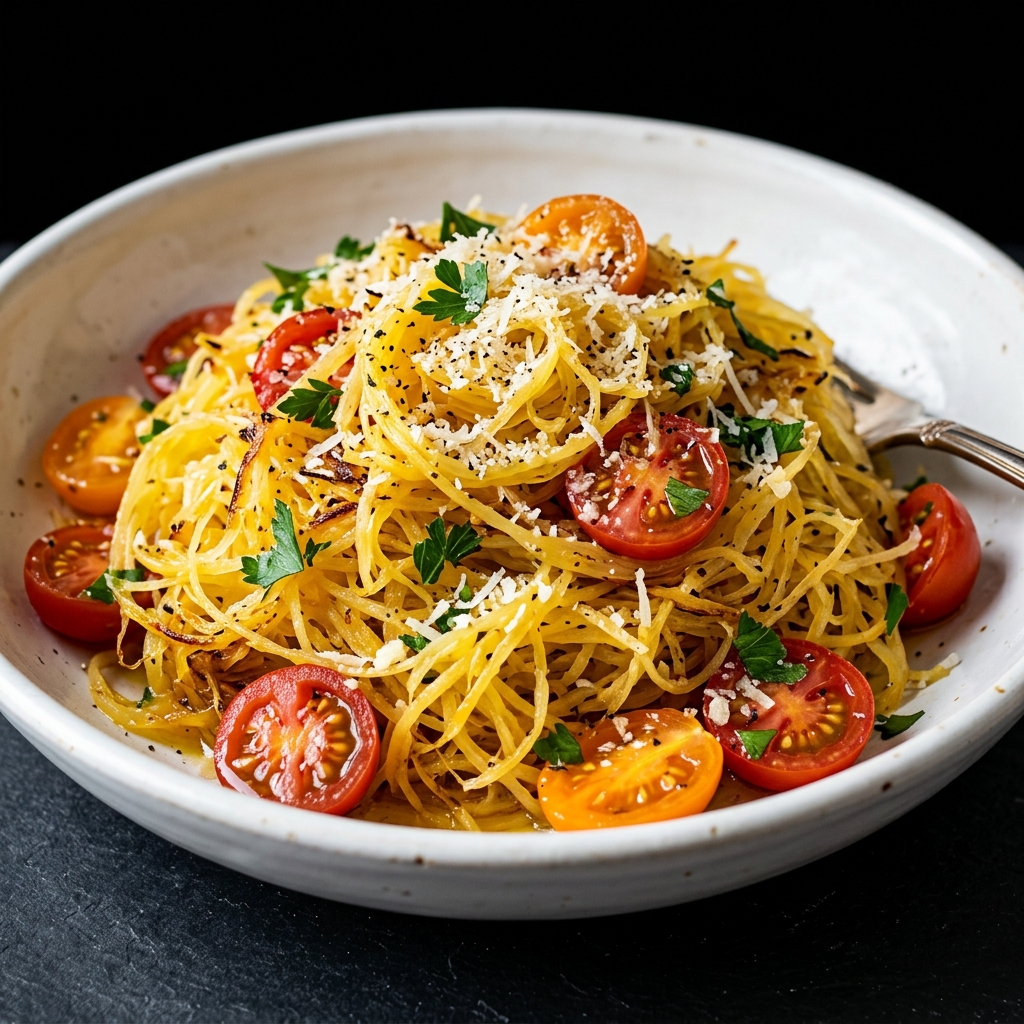
- Taste and serve: Taste and adjust the salt and pepper as needed. Serve warm with additional Parmesan and fresh herbs on top.
Notes
Do not overcook the squash. It should be tender enough to scrape into strands but not so soft that the strands become mushy.
Roasting helps develop a deeper, sweeter flavor and generally produces a better texture than boiling.
For a vegan version, omit the Parmesan or replace it with a vegan Parmesan alternative or nutritional yeast.
For extra protein, serve with grilled chicken, shrimp, beans, or your preferred protein.
Add red pepper flakes for a spicy variation or fresh lemon juice for a brighter finish.
Store leftovers in an airtight container in the refrigerator for up to 3–4 days.
For the best texture, store the cooked squash separately from particularly watery sauces or toppings.

Hi, I’m Clara, the creator of Barakala. I love sharing simple, comforting, and delicious recipes that make everyday cooking easier and more enjoyable for home cooks.