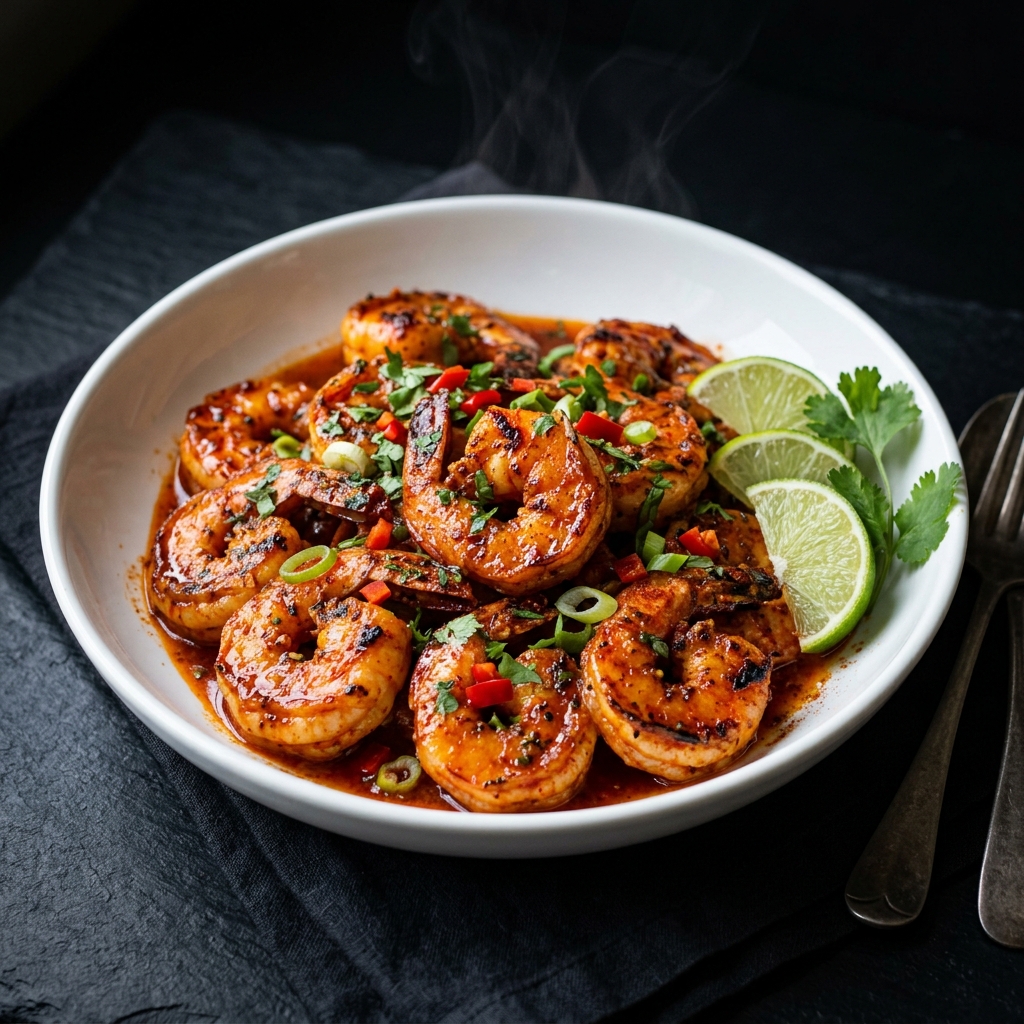
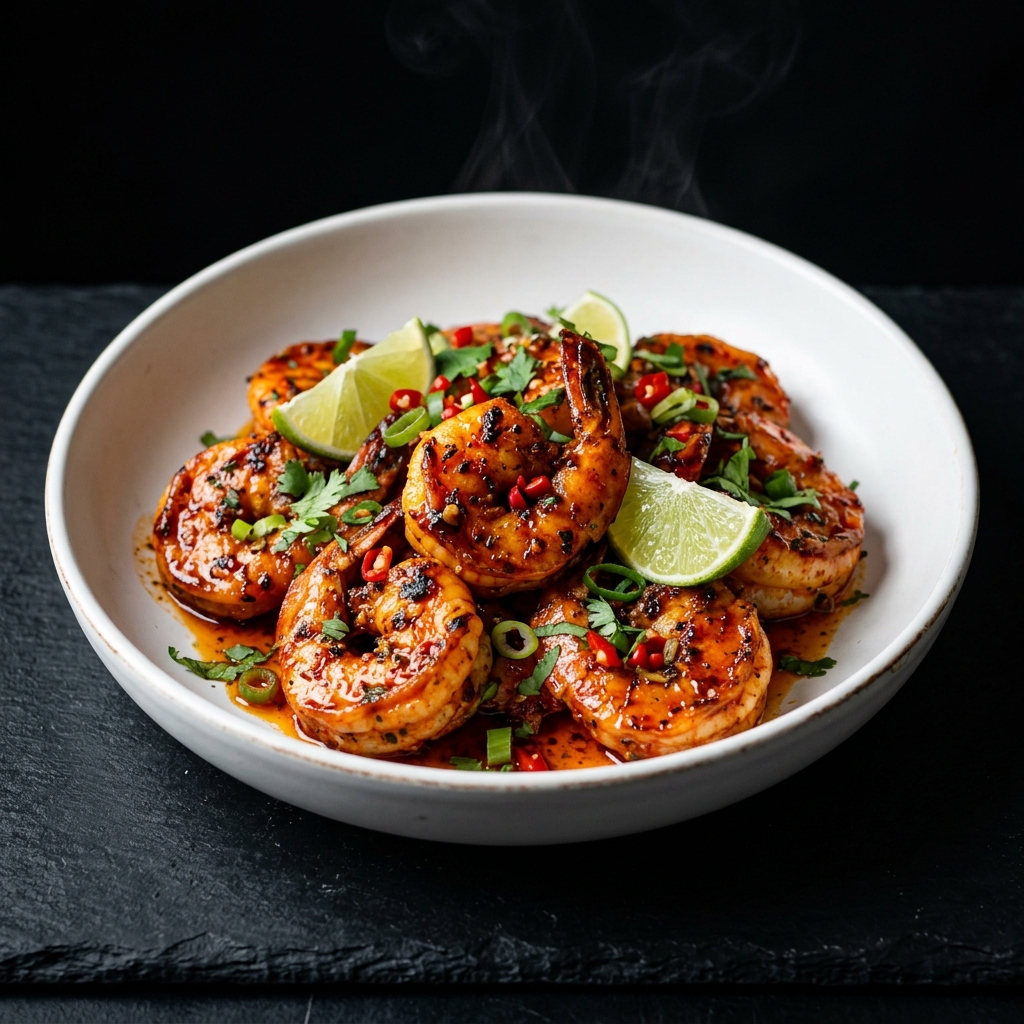
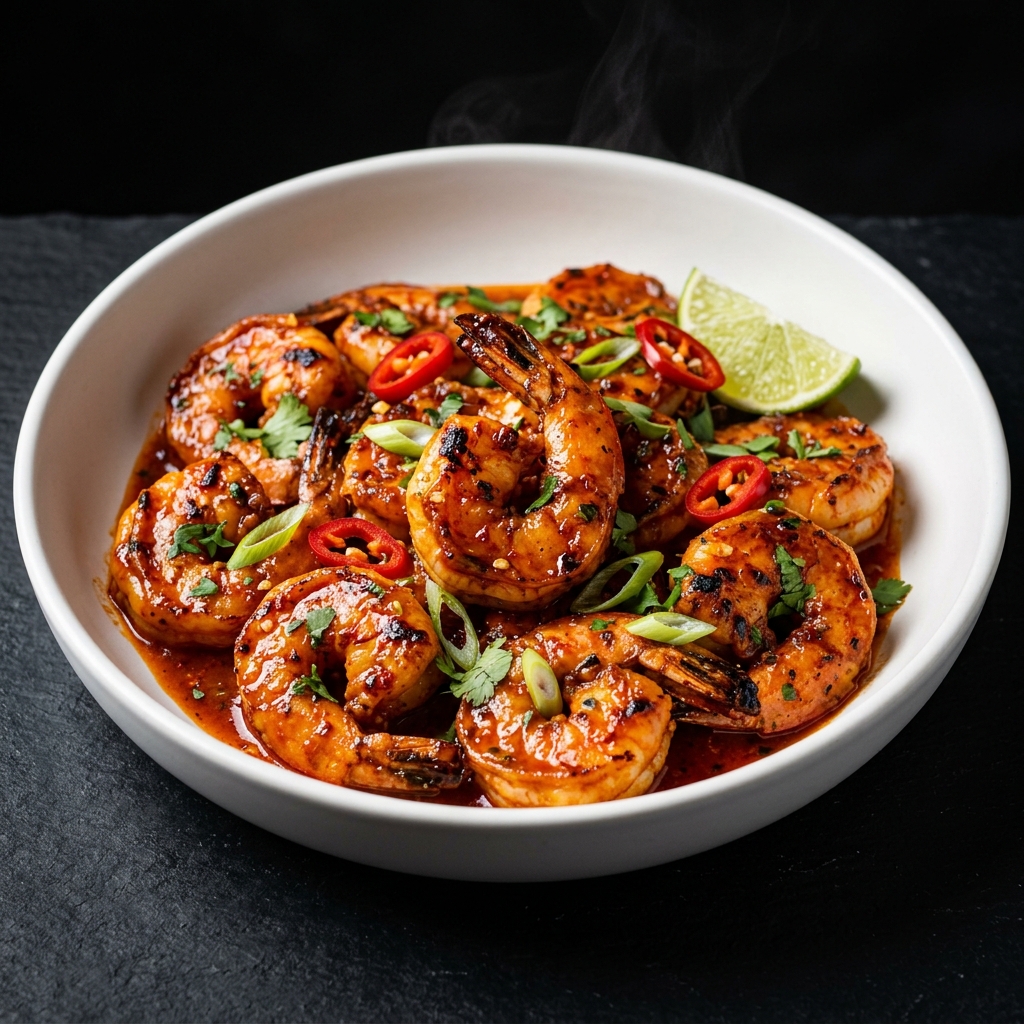
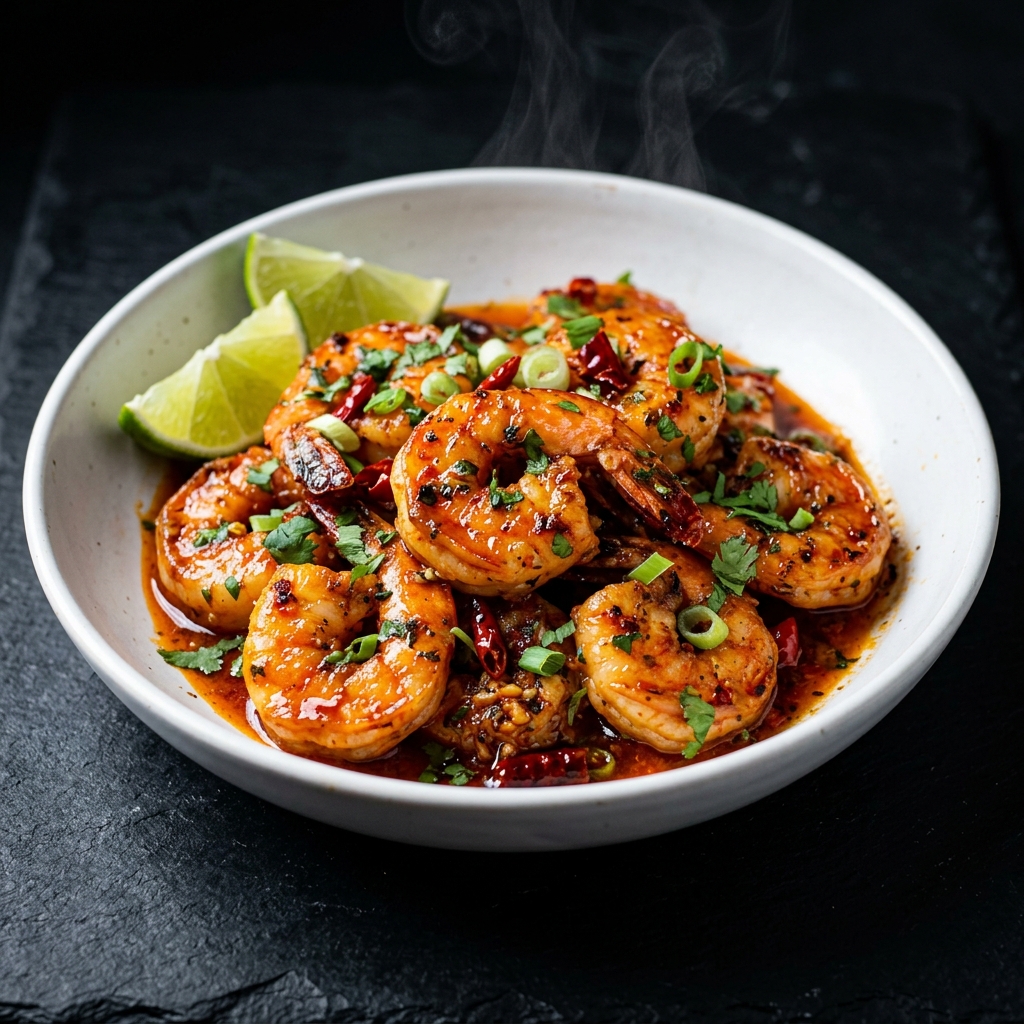
If you love bold flavors, juicy seafood, and a sauce with just the right amount of fiery heat, these Spicy Mexican Diablo Shrimp are about to become a favorite. Plump shrimp are quickly cooked and coated in a rich, vibrant chile-garlic sauce that is smoky, tangy, savory, and irresistibly glossy.
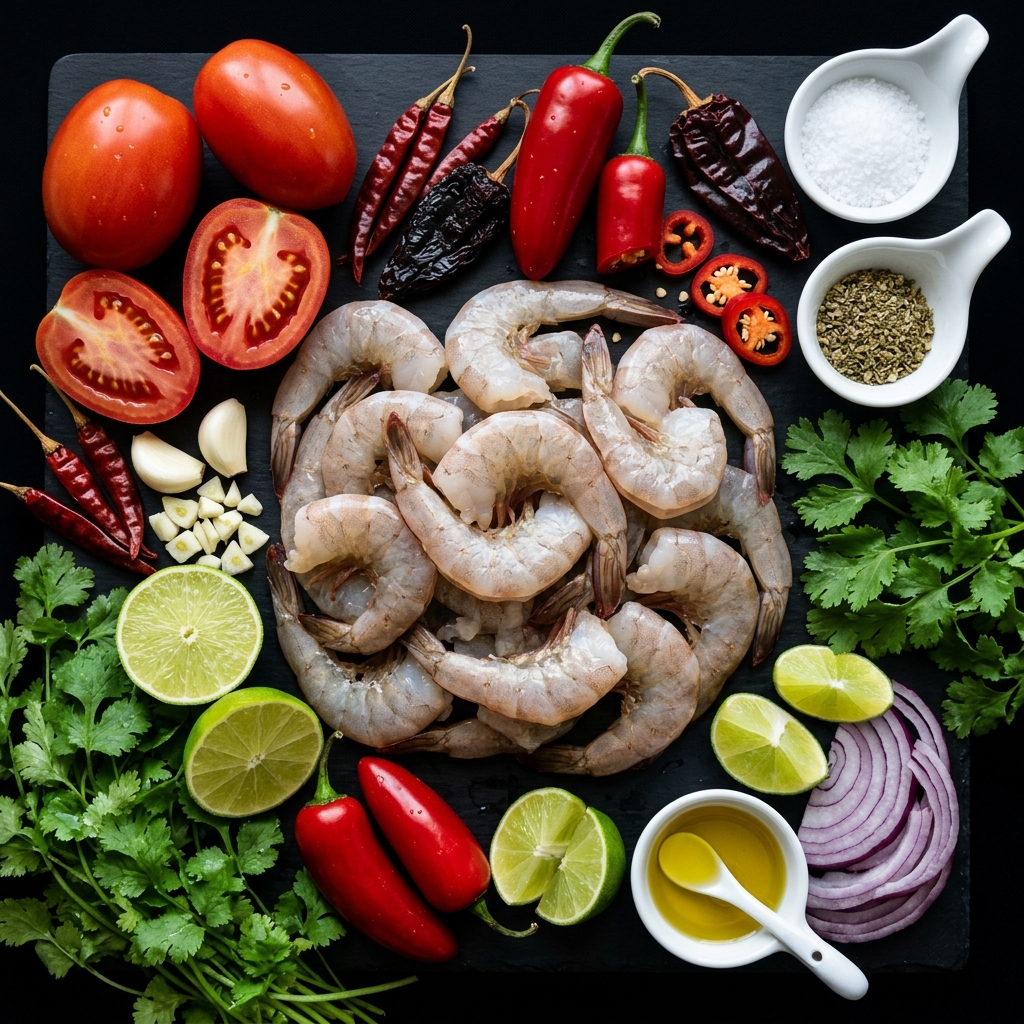
Ingredients You’ll Need
The ingredient list for Diablo shrimp is relatively simple, but each component has an important job. Fresh ingredients and properly prepared chiles will make a noticeable difference in the final flavor.
For the Shrimp
- 1 ½ pounds large or jumbo shrimp, peeled and deveined – Fresh shrimp are ideal, but high-quality frozen shrimp work very well too. If using frozen shrimp, thaw them completely and pat them thoroughly dry before cooking.
- 1 tablespoon olive oil – Helps the shrimp sear properly while adding a subtle richness.
- ½ teaspoon salt – Enhances the natural flavor of the shrimp.
- ¼ teaspoon freshly ground black pepper – Adds a gentle savory bite.
For the Diablo Sauce
- 3 medium ripe tomatoes – Tomatoes provide body, moisture, natural sweetness, and acidity to the sauce.
- 3–5 dried red chiles, such as guajillo, chile de árbol, or a combination – This is where much of the signature flavor and heat comes from. Use fewer chile de árbol peppers if you prefer moderate heat.
- 2–3 fresh red chili peppers, optional – These can be added for extra heat and a brighter chile flavor.
- 4 garlic cloves – Fresh garlic gives the sauce a deep aromatic foundation.
- ¼ small red onion – Adds sweetness and savory depth.
- 1 tablespoon olive oil – Helps sauté the aromatics and brings the sauce together.
- 1 tablespoon fresh lime juice – Brightens the sauce and cuts through its richness.
- ½ teaspoon ground cumin – Adds warm, earthy notes.
- ½ teaspoon Mexican oregano – Provides a distinctive herbal flavor.
- ½ teaspoon smoked paprika, optional – Adds subtle smokiness and deeper color.
- ½ teaspoon salt, or to taste – Adjust after blending because the intensity of the chiles can vary.
- ¼ cup water or low-sodium chicken/vegetable broth – Helps create the right sauce consistency.
For Garnishing
- Fresh cilantro, roughly chopped
- Fresh lime wedges
- Thinly sliced green onions or fresh chili slices, optional
The garnish is not merely decorative. Fresh cilantro and lime introduce bright flavors that contrast beautifully with the rich, spicy sauce.
Choosing the Best Shrimp
Shrimp are the star of this dish, so choosing and preparing them correctly matters.
For a main-course serving, large or jumbo shrimp are particularly good because they remain juicy and meaty after cooking. Smaller shrimp can certainly be used, but they cook faster and can become overdone more easily.
Look for shrimp that have a clean, mild ocean-like smell rather than a strong fishy odor. The flesh should be firm and slightly translucent when raw.
If using frozen shrimp, thaw them in the refrigerator overnight whenever possible. For a faster method, place the sealed shrimp in cold water until thawed. Avoid warm water because it can encourage uneven thawing and affect the texture.
Most importantly, dry the shrimp thoroughly before seasoning. Excess moisture can cause the shrimp to steam instead of sear, making it harder to develop that beautiful golden exterior.
How to Make Spicy Mexican Diablo Shrimp
Step 1: Prepare the Shrimp
Peel and devein the shrimp if necessary, leaving the tails on or removing them according to your preference.
Pat the shrimp completely dry with paper towels. Season lightly with salt and black pepper.
Do not heavily season the shrimp at this stage. The Diablo sauce carries a significant amount of flavor, so the shrimp only need enough seasoning to complement it.
Step 2: Prepare the Dried Chiles
Remove the stems from the dried chiles. If you want a milder sauce, shake out or remove some of the seeds and inner membranes.
Heat a dry skillet over medium-low heat and briefly toast the dried chiles for about 20–30 seconds per side.
Be careful here. Chiles can burn quickly, and burnt chiles develop a harsh, bitter flavor that can ruin the sauce.
Once fragrant, transfer the chiles to a bowl and cover them with hot water. Let them soften for approximately 10–15 minutes.
Drain them before blending.
Step 3: Roast or Sauté the Sauce Ingredients
For deeper flavor, lightly roast the tomatoes, garlic, and onion in a dry skillet until they develop some browned or charred spots.
You do not need to completely blacken the vegetables. The goal is simply to encourage caramelization and bring out their natural sweetness.
If your tomatoes are very juicy, roasting them also concentrates their flavor.
Step 4: Blend the Diablo Sauce
Add the softened dried chiles, tomatoes, garlic, onion, lime juice, cumin, Mexican oregano, smoked paprika, salt, and water or broth to a blender.
Blend until completely smooth.
Take a moment to taste the sauce.
This is one of the most important stages of the recipe because you can still control the flavor before it reaches the shrimp. If it is too spicy, add another tomato or a little more water. If it tastes flat, add a little more salt or lime juice. If you want more heat, add another chile.
A perfectly balanced sauce should taste bold and spicy but not one-dimensional.
Step 5: Strain the Sauce for a Silky Finish
For an especially smooth, restaurant-style sauce, pour the blended mixture through a fine-mesh strainer into a bowl.
Press the sauce through using the back of a spoon or ladle.
This removes tough chile skins and seeds while leaving you with a beautifully smooth sauce.
This step is optional, but it is worth doing if you want an elegant finished dish.
Step 6: Sauté the Diablo Sauce
Heat 1 tablespoon of olive oil in a large skillet over medium heat.
Pour in the blended sauce carefully. It may splatter slightly as it hits the hot oil.
Reduce the heat to medium-low and simmer the sauce for approximately 8–12 minutes, stirring occasionally.
The sauce should become slightly thicker, darker, and more aromatic.
This simmering stage is where the ingredients stop tasting like separate components and begin tasting like one cohesive Diablo sauce.
If the sauce becomes too thick, add a splash of water or broth.
Step 7: Cook the Shrimp
Increase the heat to medium.
Add the seasoned shrimp directly into the simmering Diablo sauce, arranging them in a relatively even layer.
Cook for approximately 2–3 minutes on the first side, depending on their size.
Turn each shrimp and cook for another 1–2 minutes, just until they become opaque and curl into a loose “C” shape.
Avoid cooking them until they curl tightly into an “O.” That is often a sign that shrimp have been cooked too long and may become rubbery.
Step 8: Finish With Fresh Lime
Turn off the heat and squeeze fresh lime juice over the shrimp.
Taste the sauce one final time and adjust the seasoning if necessary.
A small amount of lime at the end can completely transform the dish. It lifts the rich chile sauce and gives the shrimp a fresh, vibrant finish.
Step 9: Garnish and Serve
Transfer the Diablo shrimp to a modern serving dish or shallow bowl.
Spoon plenty of the sauce over and around the shrimp.
Finish with freshly chopped cilantro, lime wedges, and a few thin slices of fresh chili or green onion if desired.
Serve immediately while the shrimp are hot and juicy.
The Secret to a Truly Great Diablo Sauce
Here is where this recipe gets particularly interesting: heat alone does not make a great Diablo sauce.
A sauce that is simply overloaded with hot peppers can be painful to eat without being particularly flavorful. The best version builds heat alongside sweetness, acidity, smokiness, and savory depth.
That is why roasting the tomatoes and aromatics is so useful. It creates complexity before the chiles even enter the picture. The dried chiles then contribute their characteristic earthy, fruity, and smoky qualities, while lime keeps everything from becoming too heavy.
Another important secret is to cook the sauce before adding the shrimp. Shrimp need only a few minutes to cook. If you put raw shrimp into a watery, freshly blended sauce and wait for everything to finish simultaneously, you risk either underdeveloping the sauce or overcooking the seafood. Developing the sauce first allows you to concentrate the flavor while keeping the shrimp tender.
Variations to Try
One of the best things about Diablo shrimp is how adaptable the recipe can be.
Mild Diablo Shrimp
For a milder version, reduce the chile de árbol and use more guajillo chiles. Guajillo chiles provide beautiful color and a fruity, slightly smoky flavor without the same level of heat.
You can also increase the tomatoes slightly to soften the overall intensity.
Extra-Spicy Diablo Shrimp
If you genuinely enjoy fiery food, add additional chile de árbol or fresh red chiles.
For the best result, increase the heat gradually rather than adding a huge amount at once. Different batches of chiles can vary significantly in heat level.
Creamy Diablo Shrimp
For a richer variation, stir a small amount of heavy cream into the finished sauce just before adding the shrimp.
The cream softens the chile heat and creates a luxurious sauce that pairs particularly well with rice or pasta.
Garlic-Forward Diablo Shrimp
If garlic is your favorite part of a savory sauce, increase the fresh garlic slightly and sauté it gently before adding the blended chile mixture.
Be careful not to burn it. Burnt garlic becomes bitter very quickly.
Vegetable-Packed Diablo Shrimp
Turn the recipe into a more substantial dinner by adding sautéed bell peppers, zucchini, mushrooms, or spinach.
Cook firm vegetables before adding the sauce so they retain some texture rather than becoming mushy.
Expert Tips for Juicy, Flavorful Shrimp
Dry the shrimp before cooking. This simple step makes a major difference in texture and browning.
Do not burn the dried chiles. Briefly toast them until fragrant. If they become black and bitter, start again with fresh chiles.
Taste the sauce before adding the shrimp. Once the shrimp are cooked, you have less flexibility to make major flavor adjustments.
Keep the sauce simmering gently. A violent boil is unnecessary and can cause the sauce to splatter while making the texture less refined.
Do not overcrowd the pan. If you’re using a particularly large batch of shrimp, cook them in batches or use a wide skillet.
Watch the shrimp carefully. Shrimp go from perfectly tender to overcooked surprisingly quickly.
Use fresh lime at the end. The bright acidity is especially noticeable when added after cooking rather than relying entirely on lime juice that has been simmering in the sauce.
Balance the heat. If the sauce is too spicy, don’t automatically add sugar. Increasing the tomato content, adding a little broth, or introducing a small amount of dairy can help mellow the heat while preserving the character of the sauce.
What Makes This Recipe Worth Coming Back To?
The beauty of these Spicy Mexican Diablo Shrimp is that they sit right at the intersection of speed and serious flavor. You can have an impressive seafood dinner on the table without spending an entire afternoon in the kitchen.
But there is another reason this recipe deserves a place in your regular dinner rotation: the sauce is incredibly versatile. Once you understand how the chile, tomato, garlic, lime, and seasoning work together, you can adjust the recipe to suit your preferred heat level and turn it into something uniquely your own.
And when that glossy red sauce clings to every juicy shrimp, served alongside something that can soak up every last drop, you’ll understand why this isn’t just another quick shrimp dinner. It’s the kind of meal that makes people pause after the first bite and ask, “What did you put in this sauce?”