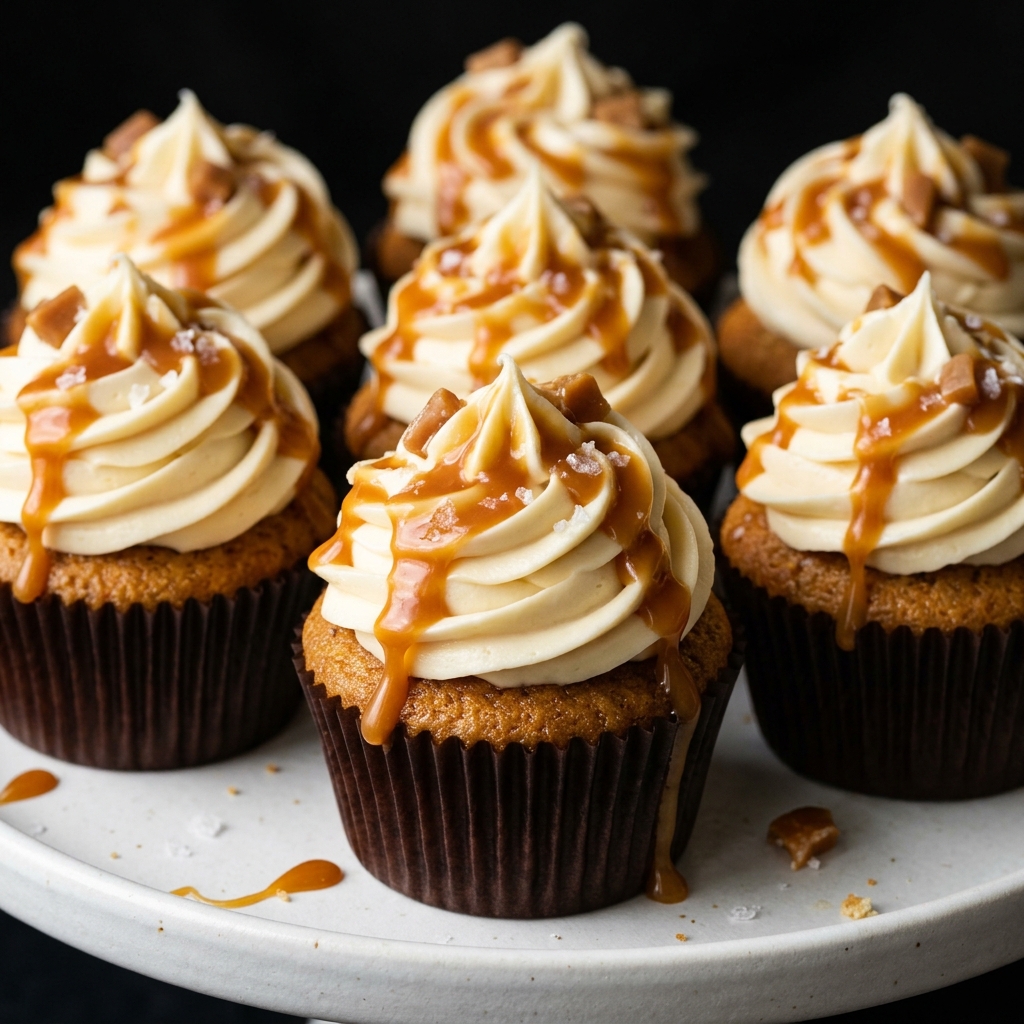
There is something irresistible about the combination of fluffy cupcakes, tangy cream cheese frosting, buttery caramel, and a tiny touch of sea salt. These Salted Caramel Cream Cheese Cupcakes bring all of those flavors together in one beautiful bakery-style dessert that looks impressive but is surprisingly approachable to make at home.
Ingredients You’ll Need
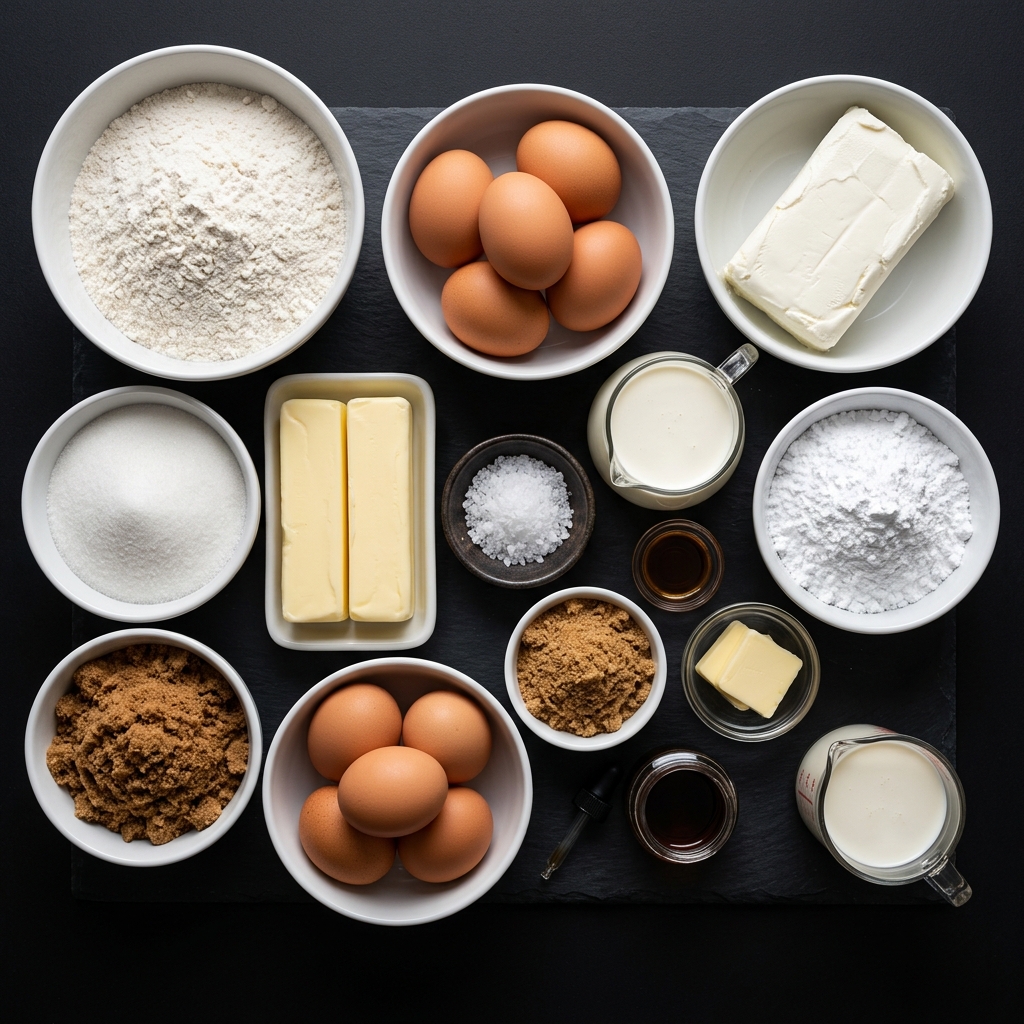
For the Cupcakes
All-purpose flour: This forms the structure of the cupcakes. Measure it carefully by spooning it into your measuring cup and leveling the top rather than scooping directly from the flour container. Too much flour can make the cupcakes dense.
Baking powder: This helps the cupcakes rise and gives them a light, tender texture.
Salt: A small amount enhances the vanilla and buttery flavors in the cake. Because the finished cupcakes also contain salted caramel, use regular fine salt in the batter and reserve flaky sea salt for the topping.
Unsalted butter: Butter provides richness and a soft crumb. Using unsalted butter gives you better control over the overall salt level.
Granulated sugar: This sweetens the cupcakes while helping create a tender texture.
Eggs: Eggs provide structure, moisture, and richness. Allow them to come close to room temperature before mixing for a smoother batter.
Vanilla extract: Vanilla gives the cupcakes a warm, aromatic flavor that pairs beautifully with caramel and cream cheese.
Milk: Milk adds moisture and helps create a soft, delicate crumb. Whole milk is ideal, although another regular dairy milk can work.
For the Cream Cheese Frosting
Cream cheese: This is the star of the frosting. Use full-fat block-style cream cheese rather than a soft tub-style spread whenever possible. Block cream cheese generally produces a thicker, more stable frosting.
Unsalted butter: Butter gives the frosting structure and makes it smoother and richer.
Powdered sugar: Powdered sugar sweetens and thickens the frosting without leaving a grainy texture.
Vanilla extract: A little vanilla rounds out the tanginess of the cream cheese.
Heavy cream: A small amount can help loosen the frosting and make it exceptionally smooth and pipeable. Add it gradually because you do not want to make the frosting too soft.
For the Salted Caramel
Brown sugar: Brown sugar provides the deep molasses-like flavor that makes homemade caramel especially rich.
Unsalted butter: Butter gives the caramel its smooth, luxurious texture.
Heavy cream: Cream transforms the cooked sugar and butter into a thick, pourable caramel sauce.
Sea salt: Salt is what turns ordinary caramel into the more complex salted caramel flavor. Flaky sea salt is particularly attractive when sprinkled over the finished cupcakes.
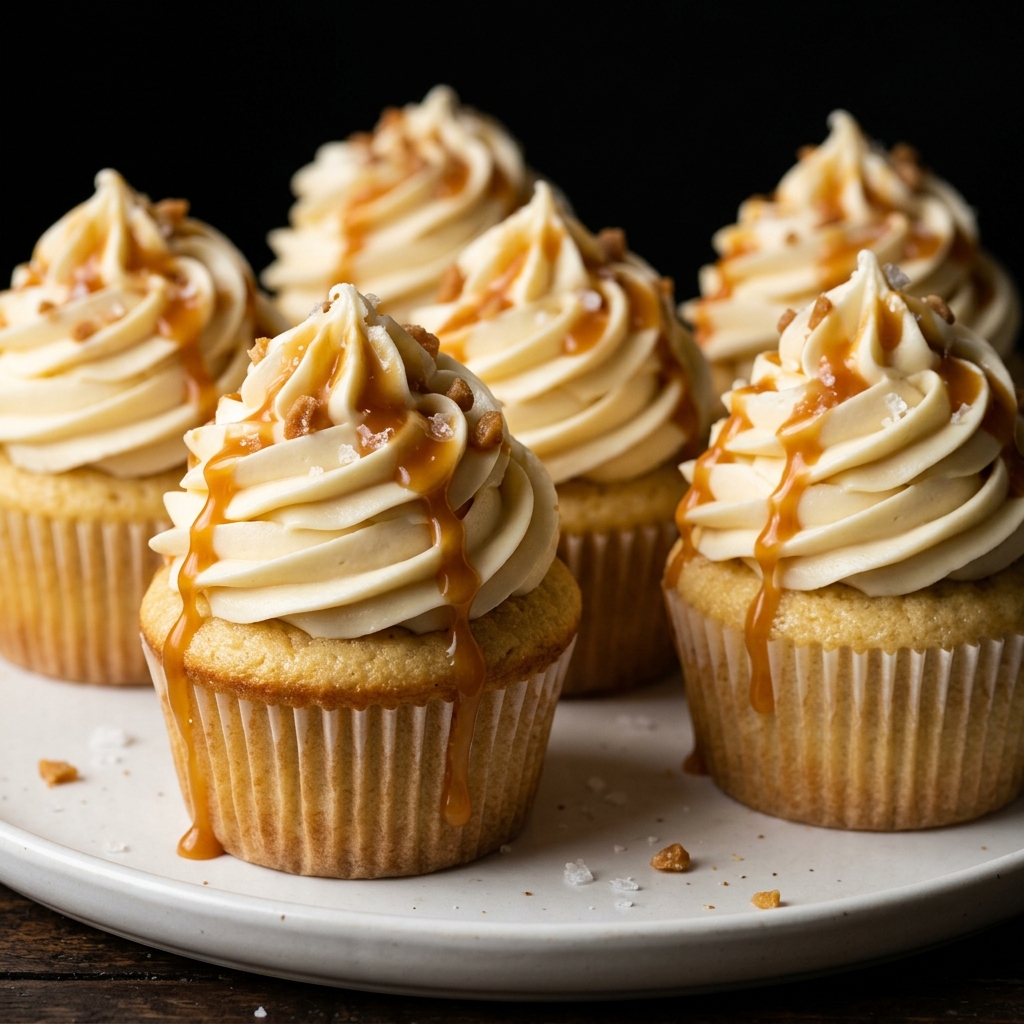
How to Make Salted Caramel Cream Cheese Cupcakes
Step 1: Prepare the Oven and Cupcake Pan
Begin by preheating your oven to 350°F (175°C). Line a standard 12-cup muffin pan with cupcake liners.
Preparing the pan before making the batter is a small step that makes the entire process smoother. Once the batter is mixed, you want to get it into the oven fairly quickly rather than leaving it sitting while you search for liners or prepare the pan.
Step 2: Combine the Dry Ingredients
In a medium bowl, whisk together the all-purpose flour, baking powder, and salt.
Whisking is preferable to simply stirring with a spoon because it distributes the baking powder and salt throughout the flour. This helps ensure that every cupcake rises evenly.
Set the bowl aside while you prepare the wet ingredients.
Step 3: Cream the Butter and Sugar
In a large mixing bowl, beat the softened unsalted butter and granulated sugar together until the mixture becomes noticeably lighter, fluffy, and creamy.
This step deserves your attention because it contributes to the final texture of the cupcakes. Properly creamed butter incorporates tiny air pockets into the mixture, which can help produce a lighter crumb.
Avoid using butter that is completely melted. Softened butter should be cool to the touch but yield easily when pressed with a finger.
Step 4: Add the Eggs and Vanilla
Add the eggs one at a time, mixing well after each addition. Then mix in the vanilla extract.
If the mixture looks slightly curdled at this point, do not panic. This can happen when ingredients are at different temperatures. Once the flour is incorporated, the batter should come together.
Step 5: Add the Dry Ingredients and Milk
Add the dry ingredients in portions, alternating with the milk. Begin and end with the dry ingredients.
Mix only until the ingredients are combined.
This is one of the most important rules for tender cupcakes: do not overmix the batter. Once flour becomes hydrated, gluten begins developing. Too much mixing can result in cupcakes that are chewy or dense rather than soft and delicate.
Scrape down the sides and bottom of the bowl once with a spatula to make sure no pockets of flour remain.
Step 6: Fill the Cupcake Liners
Divide the batter evenly among the prepared cupcake liners, filling each approximately two-thirds full.
Try to distribute the batter as evenly as possible. A cookie scoop or ice cream scoop makes this much easier and helps produce cupcakes of similar size.
Avoid filling the liners all the way to the top. The cupcakes need room to rise without spilling over the sides.
Step 7: Bake Until Light and Springy
Place the pan in the preheated oven and bake for approximately 18–22 minutes, or until the cupcake centers spring back lightly when touched and a toothpick inserted into the center comes out clean or with a few moist crumbs.
Avoid relying entirely on the color of the cupcakes. A pale cupcake can be completely baked, while a darker cupcake can still be dry inside.
Once baked, allow the cupcakes to cool in the pan for a few minutes before transferring them to a wire rack.
They must be completely cool before frosting. Even slightly warm cupcakes can melt cream cheese frosting and cause it to slide.
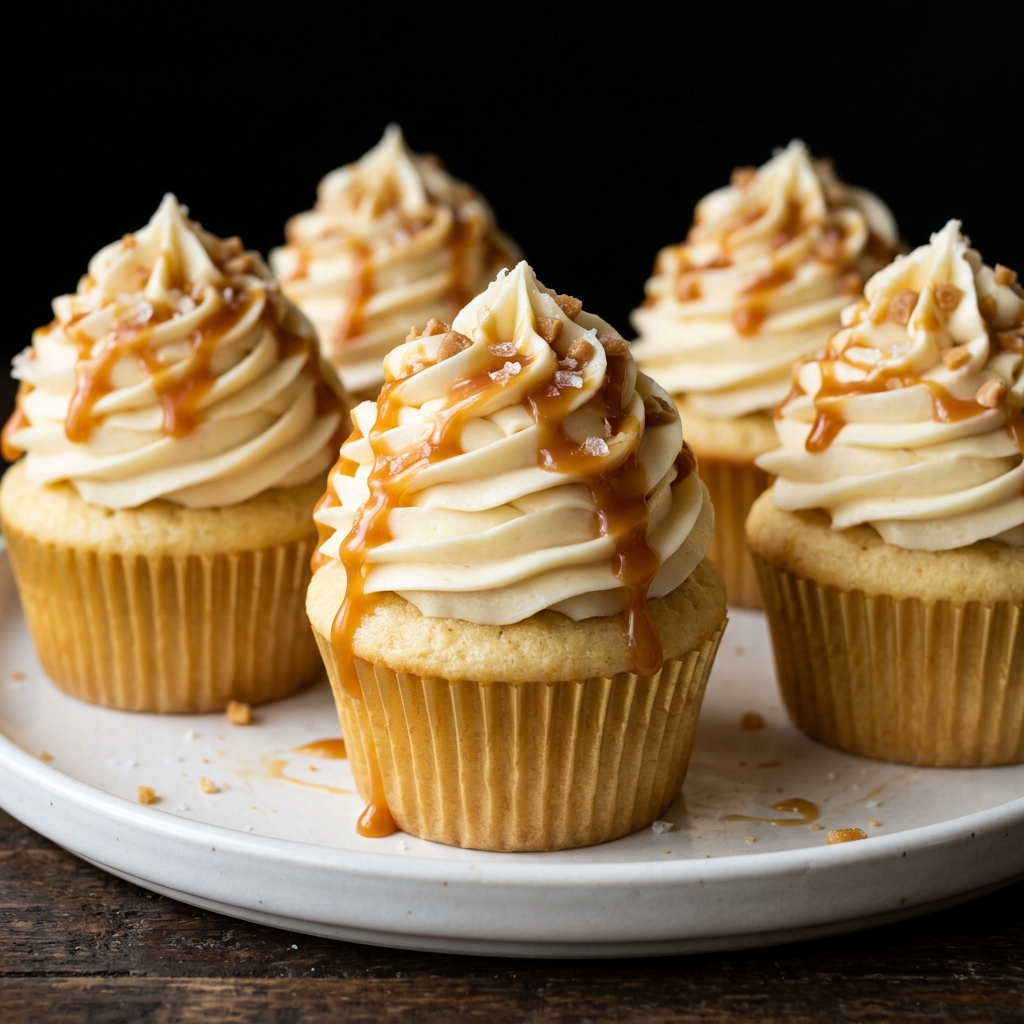
How to Make the Cream Cheese Frosting
Step 1: Beat the Butter and Cream Cheese
Place the softened butter and cream cheese in a large mixing bowl. Beat until smooth and creamy.
The ingredients should be softened but not warm or melted. If the cream cheese becomes excessively warm, the frosting can become loose and difficult to pipe.
Step 2: Add Powdered Sugar
Gradually add the powdered sugar while mixing on low speed.
Adding it slowly helps prevent a cloud of powdered sugar from covering your kitchen and allows the frosting to incorporate evenly.
Once the sugar is incorporated, add the vanilla extract and beat until the frosting is smooth.
If necessary, add a small amount of heavy cream to achieve your preferred consistency. Add it one teaspoon at a time rather than pouring in a large amount at once.
Step 3: Check the Consistency
The finished frosting should be creamy, smooth, and thick enough to hold a decorative swirl.
If it appears too soft, refrigerate it briefly and then mix again. If it is too stiff, a tiny amount of heavy cream can loosen it.
For these cupcakes, a sturdy frosting is especially useful because the caramel drizzle will add additional moisture and weight to the topping.
How to Make the Salted Caramel Sauce
Place the brown sugar and butter in a saucepan over medium heat. Stir as the butter melts and the sugar begins dissolving.
Add the heavy cream gradually while stirring carefully. The mixture may bubble vigorously, so keep your hands and face away from the steam.
Continue cooking until the caramel becomes smooth, glossy, and slightly thickened. Stir in the sea salt.
Remove the caramel from the heat and allow it to cool until it is warm or completely cool but still pourable.
This temperature is important. Hot caramel can melt the cream cheese frosting almost immediately. You want the caramel fluid enough to drizzle but cool enough that it does not destroy the beautiful frosting swirl.
Assembling the Cupcakes
Once the cupcakes are completely cool, pipe the cream cheese frosting generously over each one.
For a bakery-style appearance, use a large star piping tip and pipe the frosting in a tall spiral. The higher frosting creates a beautiful surface for the caramel drizzle.
Next, drizzle the cooled salted caramel over the frosting. Let some caramel gently run down the sides of the frosting rather than covering the entire cupcake.
Finish with a very small pinch of flaky sea salt.
Do not underestimate that final sprinkle. Salted caramel is about balance, not simply adding more salt. A few visible flakes are enough to provide both visual appeal and a subtle savory contrast.
The Little Detail That Makes These Cupcakes Taste Bakery-Style
The biggest difference between an ordinary caramel cupcake and an exceptional salted caramel cupcake is not necessarily an expensive ingredient. It is balance.
If the cupcake, frosting, and caramel are all intensely sweet, the flavors can become tiring after a few bites. The tanginess of cream cheese creates contrast, while salt amplifies the perception of sweetness and gives the caramel a deeper flavor.
Texture matters just as much. You want three distinct experiences: a soft cupcake underneath, smooth and creamy frosting in the middle, and glossy caramel with delicate salt crystals on top.
That contrast is what makes the dessert feel luxurious rather than simply sugary.
There is also an important visual trick: do not completely hide the caramel inside the frosting. Let the caramel remain visible. A few dramatic golden drips against pale cream cheese frosting immediately communicate what the cupcake tastes like and make the dessert especially appealing when photographed for a recipe blog or Pinterest.
Recipe Variations to Try
Chocolate Salted Caramel Cupcakes
For a richer dessert, replace part of the flour with unsweetened cocoa powder. The combination of chocolate, caramel, cream cheese frosting, and sea salt creates a deeper flavor profile.
Chocolate cupcakes also provide a beautiful contrast beneath the pale frosting and golden caramel.
Salted Caramel Pecan Cupcakes
Add finely chopped toasted pecans to the cupcake batter or sprinkle them over the frosting.
The toasted nuts provide crunch and a naturally buttery flavor that works exceptionally well with caramel. If using pecans as a topping, add them after the caramel drizzle so they remain visible.
Apple Caramel Cupcakes
Fold finely diced, lightly sautéed apples into the cupcake batter and pair them with the same cream cheese frosting and salted caramel.
This variation is particularly appealing during fall and holiday baking season.
Caramel-Filled Cupcakes
For an extra indulgent version, remove a small portion from the center of each cooled cupcake and fill it with a spoonful of thick salted caramel before frosting.
This creates a surprise caramel center that makes each cupcake even more decadent.
Cinnamon Salted Caramel Cupcakes
Add a modest amount of ground cinnamon to the cupcake batter for a warmer, spiced flavor. Cinnamon pairs naturally with brown sugar and caramel and gives the cupcakes a cozy homemade character.
Expert Tips for Perfect Cupcakes Every Time
Use room-temperature ingredients. Room-temperature eggs, butter, cream cheese, and milk generally combine more smoothly and help produce a more consistent batter and frosting.
Do not overmix the cupcake batter. Once the flour disappears, stop mixing. A few gentle folds with a spatula are preferable to several minutes of beating.
Use block cream cheese for frosting. Tub-style cream cheese often contains additional moisture, which can make the frosting softer than desired.
Cool everything before assembly. The cupcakes should be completely cool, and the caramel should be cool enough that it does not melt the frosting.
Taste your caramel. Salt levels vary depending on the type of salt you use. Add gradually and taste before adding more.
Do not drown the cupcakes in caramel. A generous drizzle is attractive, but too much sauce can overpower the cream cheese frosting and make the cupcake messy to eat.
Pipe the frosting generously. The creamy frosting is an important part of the flavor balance, so do not treat it as merely decoration.
Use flaky sea salt for finishing. Its delicate texture and larger crystals create a more refined appearance and provide little bursts of salt rather than making the entire dessert taste salty.
Let the cupcakes rest briefly before serving. If they have been refrigerated, allowing them to sit for a short time at room temperature helps the cupcake and frosting soften slightly, making the flavors more pronounced.
Make-Ahead Options
These cupcakes are excellent for preparing ahead of time, particularly when you are baking for a celebration.
The cupcakes can be baked a day ahead, cooled completely, and stored in an airtight container. The salted caramel can also be prepared ahead and refrigerated in a sealed container.
The cream cheese frosting can be made ahead as well. Keep it refrigerated and allow it to soften slightly before piping, mixing briefly if necessary to restore a smooth consistency.
For the best presentation, assemble the cupcakes relatively close to serving time. This keeps the frosting looking fresh and prevents the caramel from gradually soaking too deeply into the frosting.
What to Serve With Salted Caramel Cream Cheese Cupcakes
These cupcakes are rich enough to stand alone, but they pair beautifully with simple drinks and lighter accompaniments.
- Freshly brewed coffee: The bitterness of coffee balances the sweetness of caramel.
- Espresso: A small, strong espresso makes an elegant pairing with the rich frosting.
- Black tea: English breakfast or another robust black tea provides a pleasant contrast.
- Chai tea: Warm spices complement the brown sugar, vanilla, and caramel flavors.
- Cold milk: A classic pairing that works particularly well with children and casual gatherings.
- Fresh berries: Strawberries, raspberries, or blueberries provide acidity and freshness alongside the rich cupcakes.
- Vanilla ice cream: For an especially indulgent dessert, serve a cupcake with a small scoop of vanilla ice cream and an additional drizzle of salted caramel.
How to Store Salted Caramel Cream Cheese Cupcakes
Because the frosting contains cream cheese, these cupcakes should be stored in the refrigerator.
Place the finished cupcakes in an airtight cupcake container or another covered container that protects the frosting. Refrigerate them for up to 3–4 days for the best quality.
If possible, keep the cupcakes away from strongly scented foods in the refrigerator because cream cheese frosting can absorb surrounding odors.
Before serving, allow refrigerated cupcakes to sit at room temperature briefly. This takes the chill off the cake and allows the frosting to become creamy again.
If you are storing cupcakes for several days, it is also helpful to keep additional caramel sauce separately and add a fresh drizzle shortly before serving. This can make the cupcakes look freshly assembled rather than stored.
Frequently Asked Questions
Can I use store-bought caramel sauce?
Yes. A good-quality store-bought caramel sauce can save time and works perfectly well when you want a quicker version. Choose a thick caramel sauce with a buttery flavor, then add a small amount of flaky sea salt if it is not already salted.
Why is my cream cheese frosting too runny?
The most common reasons are overly soft cream cheese, warm butter, too much liquid, or excessive mixing. Chill the frosting for a short period and check its consistency again. For future batches, use full-fat block cream cheese and add heavy cream very gradually.
How do I keep the caramel from melting the frosting?
Allow the caramel to cool until it is no longer hot but remains fluid enough to drizzle. Applying hot caramel directly to cream cheese frosting can cause the frosting to soften or slide.
Can I make these cupcakes without a piping bag?
Absolutely. You can spread the frosting over the cupcakes using an offset spatula or the back of a spoon. For a rustic homemade appearance, a generous swoop of frosting followed by caramel drizzle can look just as appealing as piped frosting.
Why did my cupcakes turn out dense?
Overmixing the batter, using too much flour, or using baking powder that has lost its effectiveness can all contribute to dense cupcakes. Measure flour accurately, mix only until combined, and make sure your leavening ingredients are fresh.
Can I freeze the cupcakes?
The unfrosted cupcakes can generally be frozen successfully when wrapped tightly and stored in a freezer-safe container. Thaw them completely before decorating. Because cream cheese frosting and caramel can change texture when frozen and thawed, the best presentation usually comes from preparing the frosting and caramel separately and decorating after the cupcakes have thawed.
How much salted caramel should I put on each cupcake?
Start with a modest drizzle and add more if desired. The goal is to complement the cream cheese frosting rather than completely cover it. Remember that the caramel contributes both sweetness and richness, so a little can have a significant impact.
Can I make mini salted caramel cupcakes?
Yes. Use a mini muffin pan and adjust the baking time downward, checking them early because smaller cupcakes bake much faster than standard-size cupcakes. They are especially convenient for parties, dessert tables, and gatherings where guests may want a smaller portion.
What type of salt should I use?
For the cupcake batter and frosting, ordinary fine salt works well. For the caramel and final garnish, flaky sea salt is an excellent choice because it provides a delicate texture and attractive visible crystals. Avoid adding large amounts of coarse salt directly to the batter.
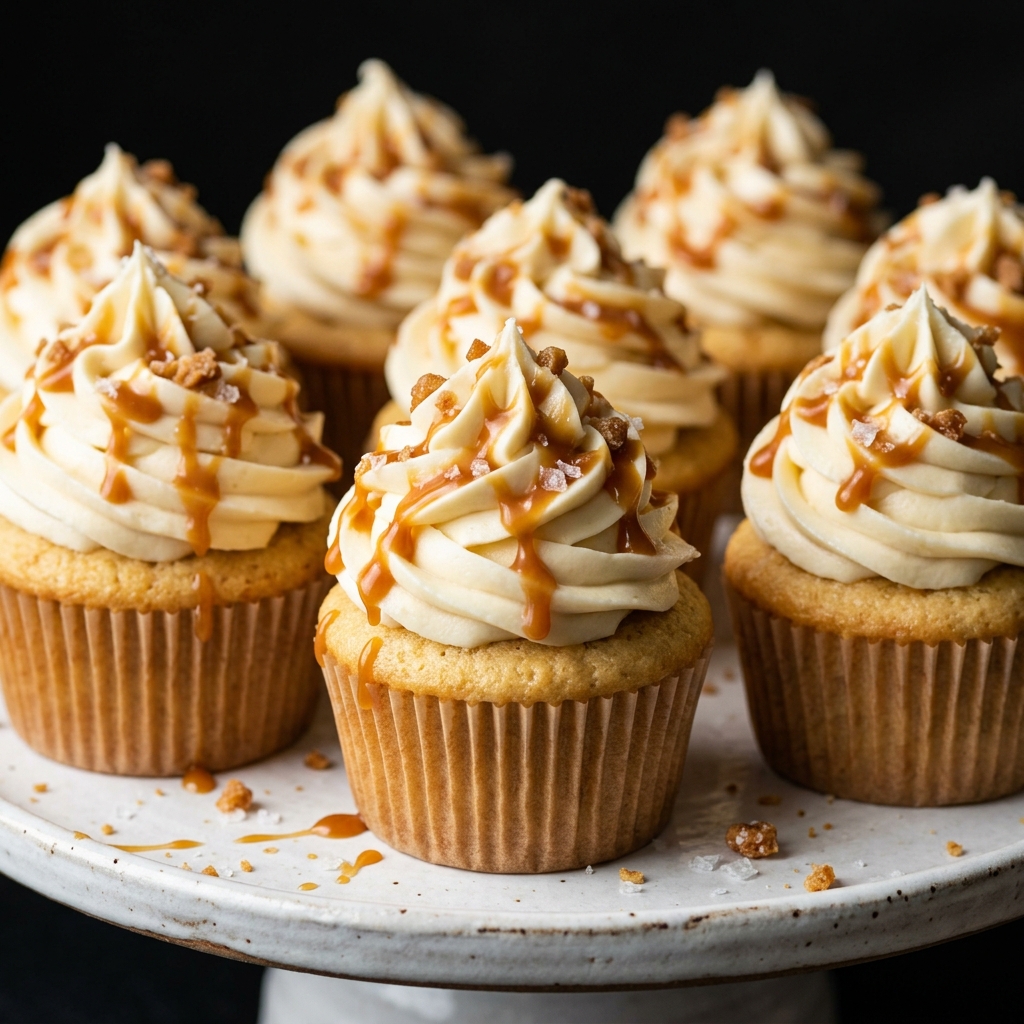
Salted Caramel Cream Cheese Cupcakes
Ingredients
Equipment
Method
- Prepare the oven: Preheat the oven to 350°F (175°C). Line a 12-cup muffin pan with cupcake liners.
- Mix the dry ingredients: Whisk together the flour, baking powder, and salt in a medium bowl. Set aside.
- Cream the butter and sugar: In a large bowl, beat the softened butter and granulated sugar until light, fluffy, and creamy.
- Add eggs and vanilla: Beat in the eggs one at a time, mixing well after each addition. Add the vanilla extract and mix until combined.
- Combine the batter: Add the dry ingredients in alternating portions with the milk, beginning and ending with the dry ingredients. Mix just until combined. Do not overmix.
- Fill the liners: Divide the batter evenly among the cupcake liners, filling each about two-thirds full.
- Bake: Bake for 18–22 minutes, or until the tops spring back lightly and a toothpick inserted into the center comes out clean or with a few moist crumbs.
- Cool: Let the cupcakes cool in the pan for several minutes, then transfer them to a wire rack. Cool completely before decorating.
- Make the frosting: Beat the softened cream cheese and butter until smooth and creamy. Gradually beat in the powdered sugar, followed by the vanilla extract. Add heavy cream a teaspoon at a time if needed until the frosting reaches a thick, smooth, pipeable consistency.
- Prepare the caramel: Add the brown sugar and butter to a small saucepan over medium heat. Stir until the butter melts and the sugar begins to dissolve. Gradually add the heavy cream while stirring carefully.
- Finish the caramel: Continue cooking until the mixture becomes smooth, glossy, and slightly thickened. Stir in the sea salt, then remove from the heat. Allow the caramel to cool until it is warm or completely cool but still pourable.
- Frost the cupcakes: Pipe the cream cheese frosting generously onto the completely cooled cupcakes using a large star piping tip.
- Add the caramel: Drizzle the cooled salted caramel over the frosting, allowing some of it to gently cascade down the sides.
- Garnish and serve: Finish each cupcake with a small pinch of flaky sea salt. Serve immediately or refrigerate until ready to enjoy.
Notes
Make sure the cupcakes are completely cool before frosting.
Allow the caramel to cool before drizzling so it does not melt the cream cheese frosting.
For the best flavor and appearance, use flaky sea salt as the final garnish.
Avoid overmixing the cupcake batter, as this can produce dense cupcakes.
Store finished cupcakes covered in the refrigerator for up to 3–4 days.
For an extra-indulgent version, hollow out the center of each cupcake and fill it with additional salted caramel before frosting.
Let refrigerated cupcakes sit at room temperature briefly before serving for the best texture and flavor.

Hi, I’m Clara, the creator of Barakala. I love sharing simple, comforting, and delicious recipes that make everyday cooking easier and more enjoyable for home cooks.