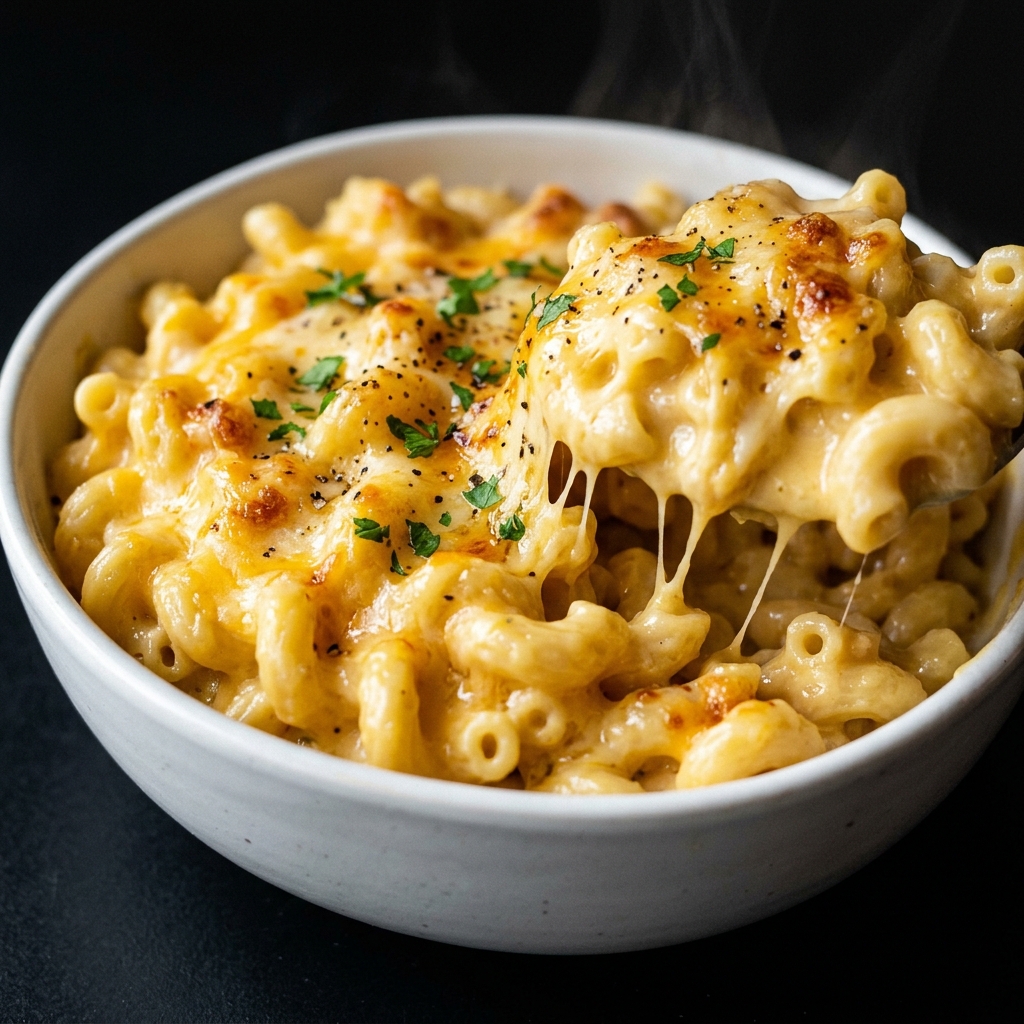
There is something irresistible about a bowl of homemade mac and cheese when the pasta is tender, the sauce is silky, and every bite is coated in rich, melted cheese. This Slow Cooker Mac and Cheese brings that classic comfort-food experience to the table with wonderfully little hands-on work, making it an excellent choice for family dinners, holidays, potlucks, and cozy weekends.
Ingredients You’ll Need
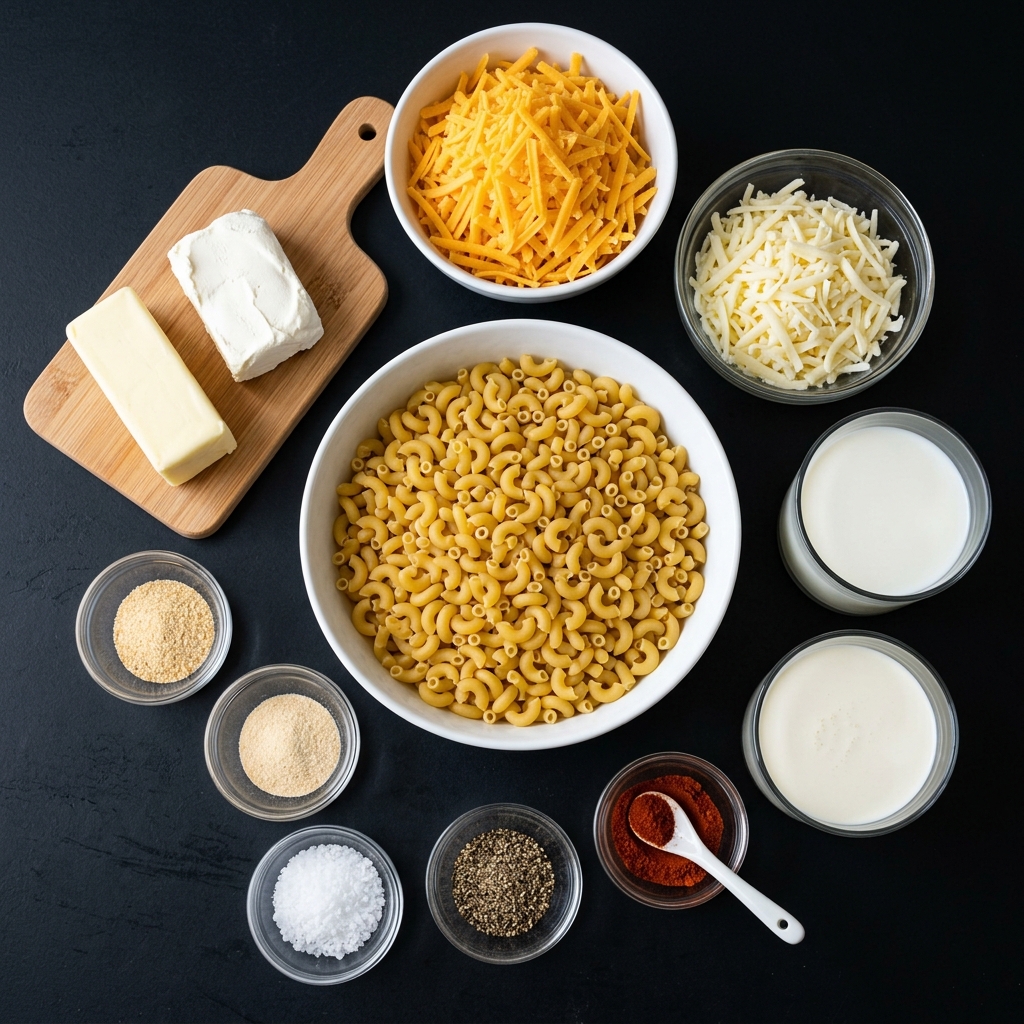
Elbow Macaroni
Dry elbow macaroni is the classic choice because its curved shape catches and holds onto the cheese sauce. Use a standard-quality pasta rather than an unusually thin or delicate variety, as the pasta needs to maintain its structure during slow cooking.
Sharp Cheddar Cheese
Sharp cheddar is the primary flavor builder in this recipe. Freshly shredding the cheese from a block is preferable because it generally melts more smoothly than many pre-shredded cheeses, which can contain anti-caking ingredients that affect texture.
For a stronger cheese flavor, you can use extra-sharp cheddar. If you prefer a gentler, creamier flavor, regular or mild cheddar works well.
Mozzarella Cheese
Mozzarella gives the mac and cheese a beautifully smooth, stretchy quality. It is not intended to overpower the cheddar; instead, it helps create that appealing melted-cheese texture.
Low-moisture mozzarella is particularly convenient for this recipe because it melts well without adding excessive water.
Whole Milk
Whole milk provides moisture while contributing richness to the sauce. Its fat content helps create a more satisfying result than very low-fat milk.
Heavy Cream
Heavy cream makes the sauce richer and more indulgent. Because mac and cheese is fundamentally a comfort food, this ingredient helps give the finished dish that luxurious mouthfeel associated with a really good homemade cheese sauce.
Cream Cheese
Cream cheese is one of the useful little tricks in this recipe. It adds body, tanginess, and richness while helping the sauce feel exceptionally creamy.
Allow it to soften before adding it to the slow cooker. Softened cream cheese incorporates much more easily than a cold, firm block.
Unsalted Butter
Butter adds richness and helps round out the flavor of the cheese. Unsalted butter is useful because it gives you greater control over the final seasoning.
Garlic Powder
A small amount of garlic powder adds savory depth without turning the dish into garlic-flavored macaroni and cheese.
Onion Powder
Onion powder contributes subtle sweetness and savory complexity. It works quietly in the background, making the cheese flavor taste fuller.
Salt and Black Pepper
Salt brings the individual ingredients together, while freshly ground black pepper adds a gentle savory bite. Because cheddar cheese can already contain a fair amount of salt, season carefully and adjust toward the end.
Paprika
Paprika is optional, but a small amount adds warmth and a subtle layer of flavor. It also gives the finished dish a more appealing golden appearance.
Fresh Parsley
Fresh parsley is optional for garnish. It does not fundamentally change the recipe, but a small sprinkle provides fresh color against the rich cheese sauce and makes the finished dish look more inviting.
How to Make Slow Cooker Mac and Cheese
The key to excellent slow cooker mac and cheese is not simply throwing everything into the crockpot and walking away. The order of preparation, the type of cheese, and the cooking time all influence the final texture.
Step 1: Prepare the Slow Cooker
Lightly grease the inside of your slow cooker with a little butter or nonstick cooking spray.
This simple step helps reduce sticking around the edges and makes serving and cleanup easier.
Use a slow cooker large enough to accommodate the ingredients without filling it excessively. A crowded slow cooker can heat unevenly, while a very large slow cooker may cause the mixture to cook differently than expected.
Step 2: Shred the Cheese
Shred the cheddar and mozzarella from blocks before beginning.
This is worth doing even though it adds a few minutes to the preparation. Freshly shredded cheese generally incorporates more naturally into a creamy sauce.
Set the shredded cheeses aside while you prepare the remaining ingredients.
Step 3: Combine the Dairy Ingredients
Add the softened cream cheese, whole milk, heavy cream, and butter to the prepared slow cooker.
Add the garlic powder, onion powder, paprika, a modest amount of salt, and black pepper.
Stir gently to distribute the seasonings and begin combining the dairy ingredients.
Do not worry if the cream cheese is not completely blended at this stage. It will soften further as the slow cooker warms.
Step 4: Add the Cheese
Add the shredded cheddar and mozzarella to the slow cooker.
Stir everything together gently so the cheese is distributed throughout the liquid mixture.
At this point, the mixture will not necessarily look like the finished sauce. That is completely normal. The cheeses will gradually soften and melt as the slow cooker heats.
Step 5: Add the Dry Macaroni
Add the uncooked elbow macaroni and stir carefully until the pasta is coated with the dairy mixture.
Make sure the pasta is distributed as evenly as possible. Pieces sitting above the liquid may not cook at the same rate as those properly surrounded by the mixture.
This is one of the most important preparation steps because even distribution helps the macaroni cook consistently.
Step 6: Cover and Cook
Place the lid securely on the slow cooker and cook according to your slow cooker’s heat characteristics and the pasta’s cooking requirements, stirring periodically if your appliance and recipe setup allow.
Begin checking the pasta before you assume it needs the full cooking time. Slow cookers vary considerably in temperature, size, and heat distribution, so cooking time can differ between appliances.
You are looking for pasta that is tender but not falling apart, with a creamy sauce surrounding it.
Step 7: Stir and Check the Texture
Once the macaroni is tender, stir the mixture thoroughly.
This redistributes the melted cheese and allows you to see whether the sauce has reached the consistency you want.
If the mixture appears slightly loose immediately after cooking, give it a few minutes to settle while stirring gently. If it seems too thick, a small splash of warm milk can help loosen the sauce.
Avoid adding a large amount of liquid at once. It is much easier to thin a thick cheese sauce gradually than to correct a sauce that has become watery.
Step 8: Taste and Adjust the Seasoning
Taste the mac and cheese before serving.
Add additional salt, pepper, or a small amount of paprika if necessary. The cheese itself contributes considerable flavor, so seasoning should enhance rather than overwhelm it.
A professional kitchen habit worth adopting is to taste at the end rather than relying entirely on the initial measurements. Cheese brands differ in saltiness and sharpness, so the final seasoning may need slight adjustment.
Step 9: Garnish and Serve
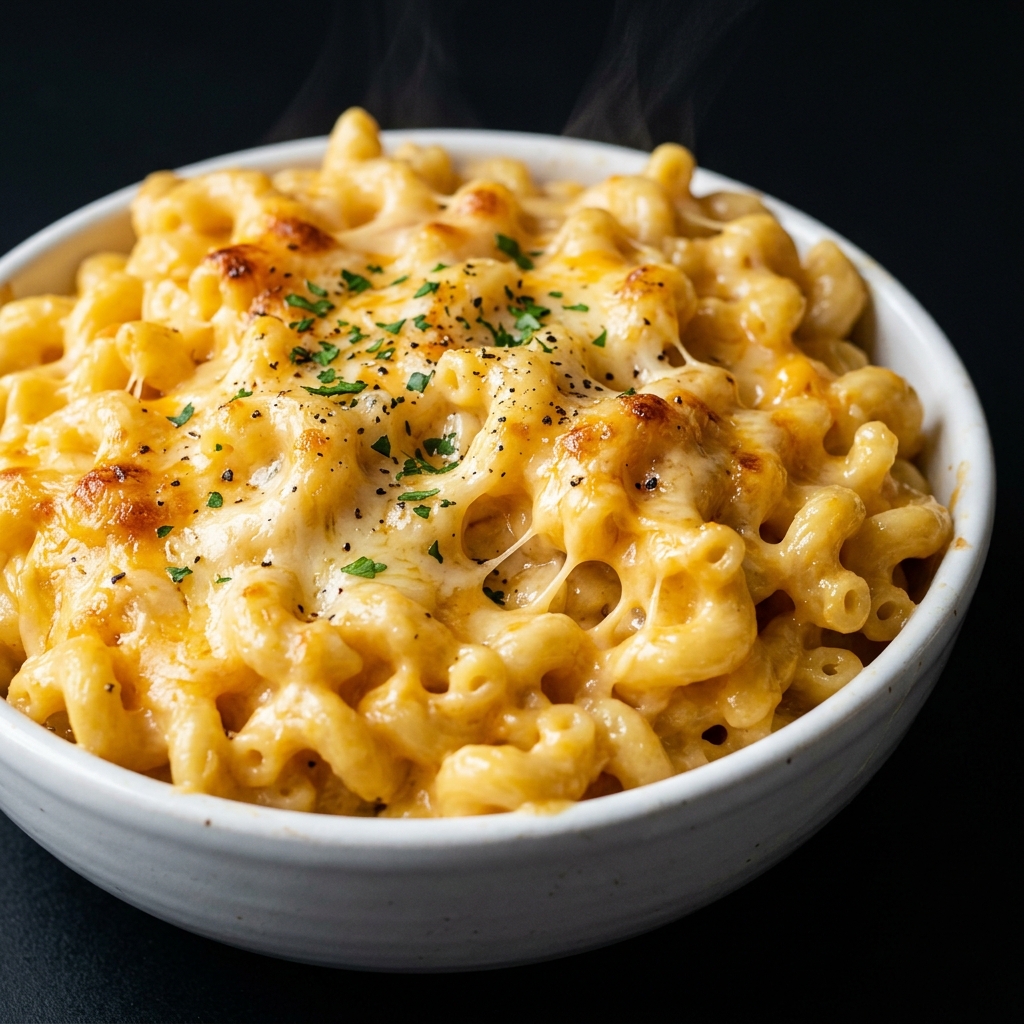
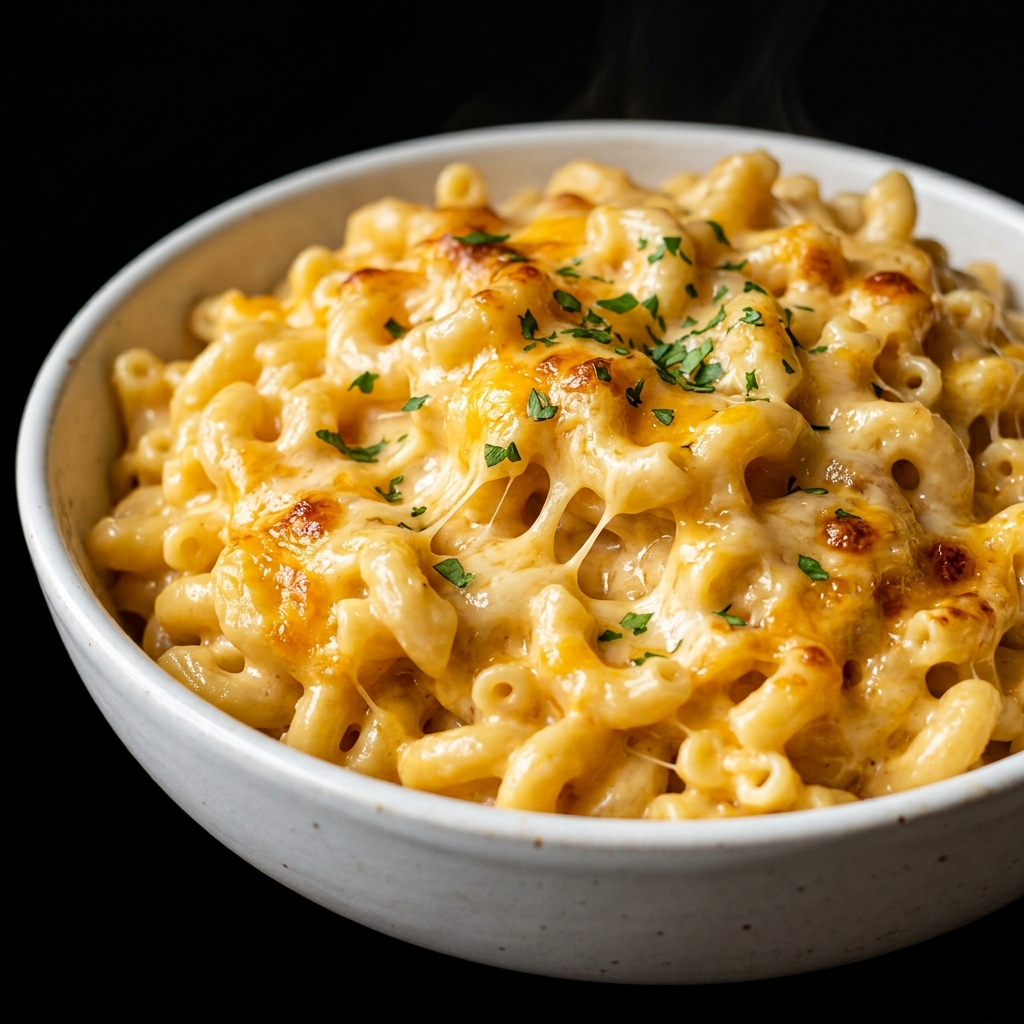
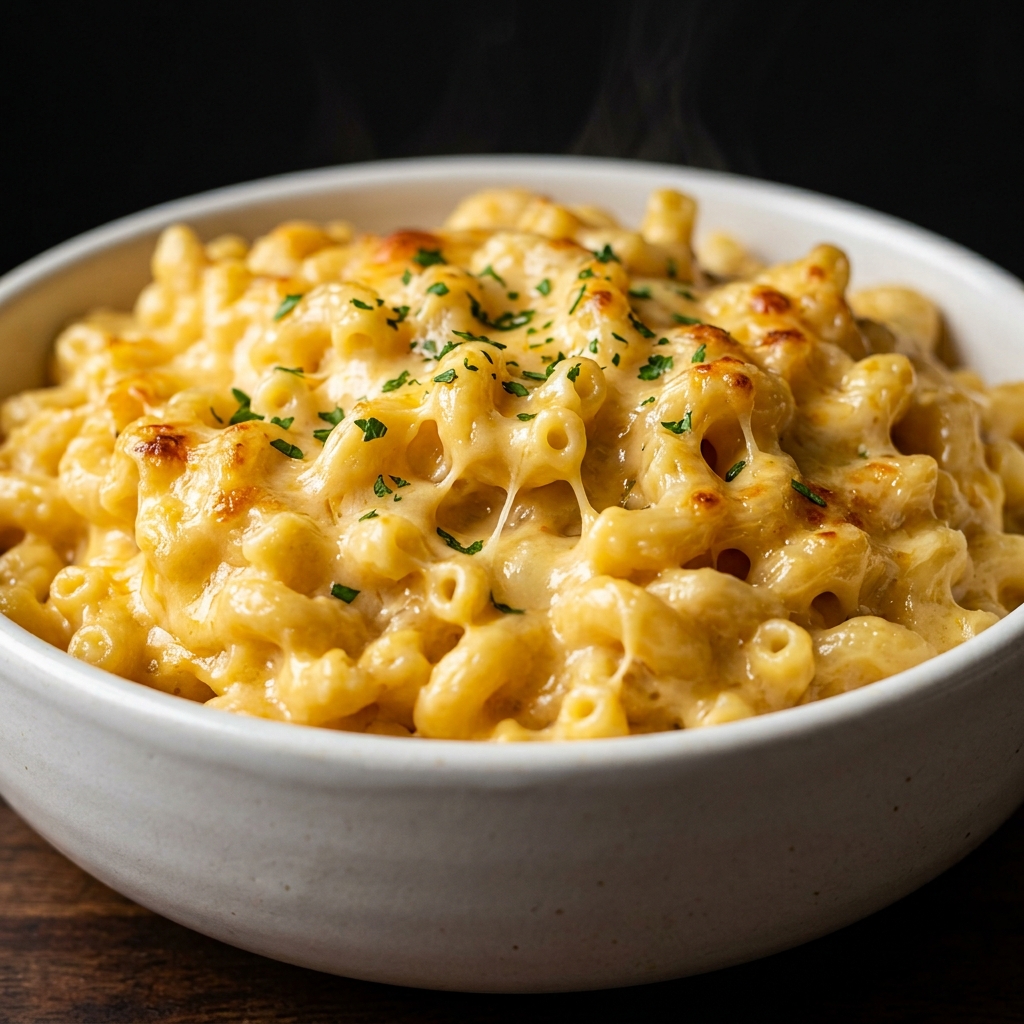
Spoon the creamy mac and cheese into a modern serving bowl and garnish lightly with fresh parsley if desired.
Serve while it is warm and creamy.
For the best texture, avoid allowing it to sit uncovered for an extended period. As the dish cools, the cheese sauce naturally becomes thicker.
The Secret to Creamy Slow Cooker Mac and Cheese
The most important lesson with slow cooker mac and cheese is that creamy does not simply mean adding more cheese. The balance between pasta, dairy, cheese, heat, and cooking time matters just as much.
Too much heat or too much cooking can cause cheese sauces to become greasy, grainy, or overly thick. On the other hand, undercooked pasta can leave you with a dish that has plenty of sauce but lacks the tender texture you expect from good mac and cheese.
That is why freshly shredded cheese, appropriate cooking time, and occasional texture checks make such a noticeable difference. The goal is not merely to melt cheese—it is to create a cohesive sauce that coats the pasta rather than separating around it.
Variations to Try
One of the best things about homemade mac and cheese is how easily you can customize it without losing its comforting character.
Extra Cheesy Mac and Cheese
For an even more pronounced cheese flavor, replace part of the mozzarella with additional sharp cheddar. You can also experiment with a small amount of Monterey Jack, Colby, or Gouda.
Keep the overall cheese quantity reasonably balanced, however. Adding large amounts of cheese does not automatically create a better sauce and can sometimes make the finished dish excessively heavy.
Bacon Mac and Cheese
Cook bacon separately until crisp, crumble it, and scatter it over individual servings just before eating.
Adding the bacon at the end preserves its crisp texture instead of allowing it to become soft during slow cooking.
Spicy Mac and Cheese
For a gentle kick, add a pinch of cayenne pepper or crushed red pepper flakes.
For a more noticeable Southwestern-inspired variation, consider adding diced jalapeños and a little smoked paprika.
Garlic Herb Mac and Cheese
Increase the garlic flavor slightly and finish the dish with fresh parsley, chives, or a small amount of fresh thyme.
Fresh herbs are best added near the end because prolonged slow cooking can diminish their brighter flavors.
Broccoli Cheddar Mac and Cheese
Add cooked broccoli florets toward the end of cooking rather than leaving them in the slow cooker for the entire process.
This keeps the broccoli from becoming excessively soft while introducing vegetables and additional color to the dish.
Four-Cheese Mac and Cheese
For a more sophisticated version, combine cheddar with mozzarella, Monterey Jack, and a small amount of Parmesan.
The key is balance. Choose one strong-flavored cheese as the primary flavor and use the others to contribute creaminess, nuttiness, stretch, or saltiness.
Expert Tips for Better Results
Shred Your Own Cheese
This is one of the simplest improvements you can make. Cheese shredded directly from a block generally melts more smoothly than many packaged pre-shredded varieties.
Do Not Overcook the Pasta
Tender pasta is desirable; mushy pasta is not.
Start checking earlier than the recipe’s maximum cooking time, especially if you are using a slow cooker that runs hot.
Soften the Cream Cheese First
Cold cream cheese takes longer to blend into the sauce and can leave small lumps. Letting it soften beforehand makes the mixture much easier to combine.
Taste Before Adding More Salt
Cheddar, Parmesan, and other cheeses can vary significantly in salt content. Taste the finished dish before making final seasoning adjustments.
Keep the Lid On as Much as Possible
Every time you remove the lid from a slow cooker, heat escapes and the cooking environment changes.
If stirring or checking the pasta is necessary, work efficiently and replace the lid promptly.
Avoid Excessive Stirring
Gentle stirring is useful for distributing ingredients and checking consistency, but constant stirring is unnecessary.
Treat the pasta gently once it becomes tender so you do not break it apart.
Serve It at the Right Moment
Mac and cheese is at its most appealing when served warm and freshly stirred. The sauce naturally thickens as it cools, so timing matters when you want that glossy, creamy consistency.
What Makes This Recipe Different?
A great mac and cheese should have more than one dimension. It should be creamy without becoming watery, cheesy without becoming greasy, rich without tasting flat, and tender without turning the pasta mushy.
That balance is what transforms an ordinary bowl of pasta and cheese into a dish people remember.
The slow cooker also gives this recipe a practical advantage: it fits naturally into gatherings where the kitchen is already busy. Instead of spending the entire meal preparation period standing over a saucepan, you can devote your attention to other dishes, guests, or simply enjoying the occasion.
And once you understand the principles behind the recipe—freshly shredded cheese, controlled heat, proper pasta texture, balanced dairy, and careful seasoning—you can begin creating your own versions with confidence.
Make-Ahead Options
Slow Cooker Mac and Cheese is at its creamiest when served soon after it finishes cooking, so making the entire dish far in advance is not usually the best approach. However, you can prepare several components ahead of time to make mealtime much easier.
The cheeses can be shredded a day ahead and stored in an airtight container in the refrigerator. You can also measure the seasonings and combine them in a small container so everything is ready when you begin cooking.
For a busy dinner or gathering, prepare your ingredients earlier in the day, refrigerate the shredded cheese and dairy ingredients as appropriate, and then assemble the recipe closer to cooking time.
If you are making this for a holiday meal, party, or potluck, it is particularly helpful to have everything measured and organized before you start. This reduces last-minute preparation and allows you to focus on the other dishes being served.
Avoid assembling uncooked pasta with all of the liquid ingredients several hours in advance and leaving it sitting. The pasta can begin absorbing moisture before cooking, which can alter the final texture.
What to Serve With Slow Cooker Mac and Cheese
Mac and cheese is filling enough to stand on its own, but it becomes an especially satisfying meal when paired with something fresh, savory, or lightly crisp.
Roasted Chicken
Juicy roasted chicken is a natural companion to creamy macaroni and cheese. The mild savory flavor of the chicken allows the rich cheese sauce to remain the star of the meal.
BBQ Chicken
For a classic comfort-food combination, serve the mac and cheese alongside smoky barbecue chicken. The sweet and savory barbecue flavors provide a pleasant contrast to the creamy pasta.
Pulled Pork
Tender pulled pork and creamy mac and cheese make an excellent hearty dinner. A tangy barbecue sauce cuts through the richness and adds another layer of flavor.
Grilled or Roasted Vegetables
If the rest of your meal is rich, roasted vegetables can provide welcome contrast. Broccoli, asparagus, green beans, Brussels sprouts, carrots, and bell peppers all work well.
Fresh Green Salad
A simple salad with crisp lettuce, cucumber, tomatoes, and a light vinaigrette can balance the richness of the cheese sauce.
Garlic Bread
For the ultimate comfort-food plate, serve a small portion of garlic bread alongside the mac and cheese. The crisp edges and buttery garlic flavor pair beautifully with the creamy pasta.
Coleslaw
Creamy or vinegar-based coleslaw can work particularly well with mac and cheese, especially when serving it alongside barbecue meats. Its fresh crunch provides textural contrast to the soft pasta.
Holiday Dinner Favorites
This recipe also fits naturally onto a holiday table alongside roasted turkey, glazed ham, green beans, roasted vegetables, dinner rolls, and other traditional side dishes.
How to Store Slow Cooker Mac and Cheese
If you have leftovers, allow the mac and cheese to cool reasonably before transferring it to an airtight container.
Place it in the refrigerator and use it within about 3–4 days for the best quality.
Because the pasta continues absorbing moisture as it sits, refrigerated mac and cheese will normally be thicker than it was when freshly prepared. This is completely normal.
How to Reheat on the Stovetop
Transfer the desired portion to a saucepan and warm it gently over low to medium-low heat.
Add a small splash of milk or cream and stir frequently until the sauce becomes creamy again.
Avoid using excessively high heat. Gentle reheating helps prevent the cheese sauce from separating and becoming oily.
How to Reheat in the Microwave
Place a serving in a microwave-safe bowl and add a small splash of milk.
Cover loosely and heat in short intervals, stirring between each interval.
Continue until heated through and creamy.
Adding a little milk before reheating is one of the easiest ways to bring some moisture back to leftover mac and cheese.
Can You Freeze Mac and Cheese?
Mac and cheese can technically be frozen, but the texture may change after thawing and reheating. Dairy-based sauces can sometimes become slightly grainy or separate, while the pasta may soften.
For the best experience, enjoy this particular recipe fresh or refrigerated within a few days.
If you do freeze leftovers, divide them into individual portions and place them in airtight freezer-safe containers. Thaw them in the refrigerator before reheating gently with a little milk.
Common Mistakes to Avoid
Even a straightforward recipe can produce disappointing results when a few small details are overlooked.
Using Too Much Liquid
It can be tempting to add extra milk because you want the mac and cheese to be creamy. However, too much liquid can leave you with a thin sauce that does not cling properly to the pasta.
Start with the recommended quantities and adjust only if necessary after the pasta has cooked.
Cooking Until the Pasta Is Extremely Soft
Remember that macaroni continues to soften as it sits in the hot cheese sauce.
If the pasta is already very soft when you finish cooking, it can become mushy by the time you serve it.
Using Only Mild Cheese
Mild cheese can produce a creamy dish, but it may lack the depth of flavor associated with memorable mac and cheese.
A sharper cheddar provides a stronger cheese foundation, while milder cheeses can be incorporated for texture and balance.
Adding All the Seasoning at the Beginning
Different cheeses have different levels of saltiness. Seasoning conservatively at first and tasting near the end gives you more control.
Leaving the Finished Mac and Cheese Uncovered
Once exposed to air, the surface can begin to dry and form a thicker layer. Keep the dish covered when it is not being served.
How to Make the Cheese Flavor More Interesting
Cheddar provides the familiar flavor most people expect from homemade mac and cheese, but you can make the dish more interesting by thinking about cheese the way a chef thinks about seasoning.
A sharp cheddar brings acidity and intensity. Mozzarella contributes stretch and mild creaminess. Parmesan adds nuttiness and savory depth. Gouda can bring a gentle sweetness and richness, while Monterey Jack melts smoothly and has a mild flavor.
You do not need to use every cheese at once. In fact, using too many varieties can make the final flavor difficult to distinguish.
A useful approach is to choose one primary cheese for flavor and one or two secondary cheeses for texture and supporting notes.
How to Give Mac and Cheese a Golden Finish
The slow cooker naturally produces a creamy, soft-textured mac and cheese rather than the deeply browned crust associated with baked versions.
If you want a golden, lightly crisp topping, transfer the finished mac and cheese to an oven-safe baking dish after cooking. Sprinkle the top with additional shredded cheese and, if desired, seasoned breadcrumbs.
Place it under a hot broiler or in a hot oven briefly until the cheese melts and the surface develops attractive golden-brown spots.
Watch it carefully because cheese can go from beautifully browned to burned surprisingly quickly.
This step is optional, but it is an excellent way to combine the convenience of slow cooking with the appealing finish of baked mac and cheese.
Frequently Asked Questions
Can I Use Different Pasta Shapes?
Yes. Although elbow macaroni is the classic choice, other small pasta shapes can work.
Shells, cavatappi, rotini, and small penne can all provide interesting textures. Shell-shaped pasta is particularly good at capturing creamy cheese sauce.
Keep in mind that different pasta shapes can have different cooking times, so monitor the texture rather than relying exclusively on the clock.
Why Is My Slow Cooker Mac and Cheese Greasy?
A greasy appearance can happen when the cheese and fat separate, which may be caused by excessive heat, prolonged cooking, or an imbalance of ingredients.
Using suitable melting cheeses, cooking gently, avoiding unnecessary overcooking, and stirring the finished dish carefully can help maintain a smoother sauce.
Why Did My Cheese Sauce Become Grainy?
Graininess can occur when cheese is exposed to excessive heat or when certain cheeses do not melt smoothly.
Freshly shredded cheese, gentle cooking, and avoiding unnecessarily high temperatures can help.
Some cheeses are naturally better suited to melting than others, so cheese selection matters as much as the quantity you use.
Can I Use Pre-Shredded Cheese?
You can, but freshly shredded cheese is generally preferable for a smooth homemade cheese sauce.
Packaged shredded cheese may contain anti-caking ingredients that can affect how smoothly it melts.
If convenience is your priority, pre-shredded cheese can still be used, but freshly shredded cheese is worth the extra effort when you want the best possible texture.
Can I Use Evaporated Milk Instead of Heavy Cream?
Evaporated milk can be used as an alternative in some mac and cheese preparations, although it will change the richness and texture of the finished dish.
If substituting, remember that every change in liquid composition can affect how the pasta cooks and how thick the final sauce becomes.
Can I Make This Recipe Without Cream Cheese?
Yes. Cream cheese contributes richness and body, but it is not the only ingredient responsible for the sauce.
If you leave it out, expect a somewhat different texture and flavor. You may need to pay closer attention to the consistency and cheese balance.
How Do I Keep Mac and Cheese Creamy for a Party?
The most important thing is to avoid overcooking it.
Keep the slow cooker on an appropriate low or warm setting after the pasta has finished, depending on your appliance, and stir occasionally when necessary.
If the sauce begins to thicken too much, a small splash of warm milk can help loosen it.
Avoid adding large quantities of liquid at once because this can dilute the cheese flavor.
Can I Add Meat to Slow Cooker Mac and Cheese?
Yes. Cooked bacon, diced ham, shredded chicken, pulled pork, or cooked sausage can all be incorporated.
Always cook raw meats separately until they are safely cooked before adding them to the finished mac and cheese. This recipe should not be used as a substitute for proper meat-cooking procedures.
Can I Add Vegetables?
Absolutely.
Broccoli, peas, spinach, roasted red peppers, mushrooms, and cooked cauliflower can all be incorporated depending on the flavor profile you want.
For vegetables that become soft quickly, add them toward the end rather than cooking them for the entire duration.
A Few Final Chef’s Notes
The best Slow Cooker Mac and Cheese is all about balance. You want enough cheese to create a rich sauce without making the dish excessively heavy. You want enough liquid to keep everything creamy without creating a watery consistency. Most importantly, you want the pasta cooked until tender but still pleasantly structured.
Do not be afraid to make small adjustments based on what you see in the slow cooker. Recipes provide a foundation, but kitchens are not perfectly uniform. Slow cookers vary, cheeses vary, and pasta brands vary. Learning to recognize the visual and textural cues is what takes a home cook from simply following instructions to cooking with confidence.
When the pasta is tender, the cheese has melted into a glossy sauce, and every piece of macaroni is generously coated, you know you are close. Give it a final gentle stir, taste for seasoning, garnish if desired, and serve it warm.
Whether you are preparing a simple weeknight dinner or filling the table for a holiday gathering, this creamy slow cooker mac and cheese has everything a comfort-food favorite should have: tender pasta, rich cheese, a luscious sauce, and the kind of familiar flavor that makes people come back for another serving.
And perhaps the best part is that once you master this basic version, you have a dependable foundation for countless variations. Change the cheese, introduce smoky bacon, add vegetables, turn up the heat with peppers, or finish it with a crisp golden topping. The possibilities are remarkably flexible while the comforting heart of the dish remains the same.
Slow Cooker Mac and Cheese
Ingredients
Equipment
Method
- Lightly grease the inside of a 5–6-quart slow cooker with butter or nonstick cooking spray.
- Freshly shred the cheddar and mozzarella cheese. Set them aside. Freshly shredded cheese generally melts more smoothly than many packaged pre-shredded varieties.
- Place the softened cream cheese, whole milk, heavy cream, and butter into the slow cooker.
- Add the garlic powder, onion powder, paprika, salt, and black pepper. Stir gently to distribute the seasonings.
- Add the shredded cheddar and mozzarella and stir gently to combine.
- Pour the uncooked elbow macaroni into the slow cooker. Stir thoroughly so the pasta is evenly distributed and coated with the dairy mixture.
- Cover and cook until the macaroni is tender and the cheese has melted into a creamy sauce, checking the pasta before the maximum cooking time because slow cookers vary in temperature.
- Once the pasta is tender, stir the mac and cheese thoroughly. If it is thicker than desired, add a small splash of warm milk and stir until the desired consistency is reached.
- Taste and adjust the salt, black pepper, or paprika as needed.
- Garnish with fresh parsley if desired and serve warm while the cheese sauce is creamy and glossy.
Notes
Do not overcook: Begin checking the macaroni before the expected finishing time because slow cookers vary.
Season carefully: Cheese contributes salt, so taste before adding additional salt at the end.
Consistency: If the finished mac and cheese becomes too thick, stir in a small amount of warm milk.
Cheese variations: Sharp cheddar can be combined with Monterey Jack, Gouda, Colby, or Parmesan for different flavor profiles.
Optional golden topping: Transfer the finished mac and cheese to an oven-safe dish, top with additional cheese or seasoned breadcrumbs, and briefly broil until golden and bubbly.
Storage: Refrigerate leftovers in an airtight container for up to 3–4 days. Reheat gently with a splash of milk to help restore creaminess.
Dietary note: Traditional versions made with wheat pasta are not gluten-free, low-carb, or keto and are not vegan. The recipe can be vegetarian when all cheese and other ingredients used meet vegetarian requirements.

Hi, I’m Clara, the creator of Barakala. I love sharing simple, comforting, and delicious recipes that make everyday cooking easier and more enjoyable for home cooks.